
Size
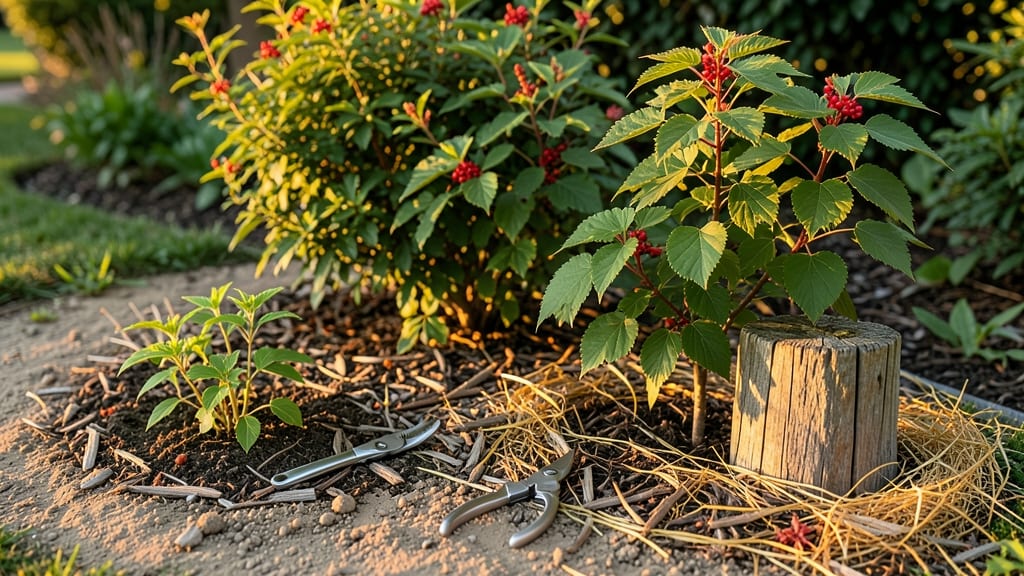
How to grow sumac turns a sunlit corner into a wildlife magnet with edible berries. 🌿 I’ve watched my staghorn sumac transform from a scraggly sapling into a 10-foot spice factory—all with almost no effort. The key? Matching its tough roots to its tougher growing habits.
This shrub thrives in full sun and rocky, dry soil—perfect for slopes or neglected patches where nothing else grows. Plant seeds in fall or buy young plants in spring. Water lightly at first, then let nature take over. No fertilizing needed; sumac loves poor soil and drought.
By summer, you’ll harvest bright red berries for tea, spice blends, or bird feeders. The leaves turn fiery orange in fall, and deer can’t resist nibbling the branches. It’s the ultimate low-maintenance, high-reward shrub.
Whether you want shade, spice, or wildlife, sumac delivers. Here’s how to get started without the fuss—because this plant practically grows itself.
📚 In This Guide
- What you need
- Instructions
- Tips and common mistakes
- Wrapping up and next steps
What you need
- ● Sumac Seeds or Seedlings: 1–3 Staghorn Sumac (Rhus typhina) or Smooth Sumac (Rhus glabra) plants (seeds or nursery-bought). Staghorn is ornamental; Smooth is best for spice.
- ● If starting from seed: 10–20 seeds (germination rate is low, so plant extras!).
- ● Growing Location: Full sun (6+ hours/day) in well-draining soil (sandy or loamy). Tolerates drought and poor soil!
- ● Space: 10–15 feet apart (sumac grows 15–25 ft tall/wide).
- ○ Soil Amendments (Optional but Helpful): Compost or aged manure (1–2 gallons per planting hole) to boost fertility.
- ● Gritty sand or perlite (1 part per 3 parts soil) if your soil is clay-heavy.
- ● Tools: Trowel or shovel
- ● Garden gloves (💡 Sumac leaves can be prickly!)
- ● Watering can or hose with a gentle nozzle
- ● Mulch (straw, wood chips, or leaves) to retain moisture
- ● Epsom salt (1 tbsp per plant annually) for magnesium boost.
- ● Pruning shears (for shaping or harvesting).
- ● Bird netting (if squirrels or birds love your seeds!).
- ● pH test kit (ideal range: 6.0–7.5).
Step-by-step instructions for growing sumac from scratch
Sumac thrives with minimal fuss—just a few key steps to establish it right.
🌱 Step 1: Choose the Right Location and Prepare the Soil
Sumac loves full sun and tolerates poor, dry soil—perfect for tough landscapes. Pick a spot with 6+ hours of direct sunlight daily and well-draining soil. If your soil is heavy clay, mix in 2-3 inches of compost to improve drainage, but avoid rich, fertile soil—sumac grows best when slightly stressed.
Loosen the top 6 inches of soil with a garden fork or tiller to break up compaction. Sumac roots spread aggressively, so space plants 10-15 feet apart to prevent overcrowding. If planting in a container, use a 5-gallon pot with drainage holes—sumac adapts well to urban environments.
🌿 Step 2: Plant Bare-Root or Container-Grown Sumac
Plant in early spring or fall when temperatures are mild. Dig a hole twice as wide as the root ball but no deeper—sumac roots need room to spread horizontally. Gently remove the plant from its container or loosen the roots if bare-root. Position it so the top of the root ball sits 1 inch above soil level—sumac hates having its crown buried.
Backfill with native soil, pressing lightly to remove air pockets. Water deeply to settle the soil, then mulch with 2-3 inches of wood chips or straw, keeping mulch 6 inches away from the trunk to prevent rot. Avoid fertilizing—sumac grows best in lean conditions.
☀️ Step 3: Water Deeply and Let It Adapt
Water newly planted sumac once a week for the first month, soaking the soil to 12 inches deep. After that, water only when the soil feels bone-dry 3-4 inches down. Sumac is drought-tolerant once established, but young plants need consistent moisture to root deeply. Overwatering is the biggest mistake—sumac roots rot easily in soggy soil.
Watch for new growth in 4-6 weeks—this signals the plant is adapting. If leaves yellow or wilt, you’re either overwatering or planting in too-shady a spot. Sumac’s feathery foliage thrives in harsh conditions, so don’t fret over minor stress.
✂️ Step 4: Prune Strategically for Shape and Harvest
Prune sumac in late winter or early spring before new growth begins. Remove dead or crossing branches at the base, and thin out crowded stems to improve airflow. Sumac grows in multi-stemmed shrubs, so avoid heavy pruning—it encourages dense, bushy growth. If you want a single-trunk tree, select the strongest stem early and prune others.
Harvest red sumac berries in late summer or early fall when they turn bright red. Wear gloves—sumac berries stain! Rinse them thoroughly to remove any dirt or insects, then dry in a 200°F oven for 1-2 hours or in a dehydrator. Store dried berries in an airtight container for up to 6 months—they make a tangy spice substitute for lemon.
🌿 Step 5: Maintain Long-Term with Minimal Effort
Once established, sumac needs almost no care. Water only during prolonged droughts, and fertilize never—sumac grows best in nutrient-poor soil. In late winter, check for dead branches and prune them out. If birds strip the berries before you can harvest, consider planting near a window or using netting.
Sumac spreads via underground roots, so monitor its spread if planting near foundations or sidewalks. Dig up unwanted suckers in early spring before they establish. With its drought tolerance, deer resistance, and ornamental value, sumac is one of the most low-maintenance shrubs for sunny, dry sites.
Tips & tricks for perfect sumac growth
Sumac might seem like a wild plant, but these pro tips will help you coax the best results from your shrub—whether you're growing it for its stunning foliage or harvesting those tangy berries.
Location is Everything: While sumac thrives in full sun, don't assume every sunny spot is ideal. Test your site first by observing how dry it gets—sumac mimics desert conditions. If your soil stays damp for more than a few hours after watering, amend with coarse sand or gravel to improve drainage. I've seen sumac struggle in "sunny" spots that were actually moist bottomlands, so check soil moisture before planting.
Root Ball Position Matters: The instructions mention positioning the root ball just 1 inch above soil level, but here's the secret: make sure the graft union (if present) or the base of the main stems is at soil level. If you bury it too deep, you risk rot; if it's too high, roots won't anchor properly. For container-grown sumac, gently squeeze the sides to encourage root spread before planting.
Watering Wisdom: That first month of weekly watering is critical, but don't rely solely on a calendar. Stick your finger 3-4 inches into the soil—if it feels dry, water deeply. I've learned the hard way that sumac roots can't handle soggy soil, so always let the top 2 inches dry out between waterings. A soaker hose works best to deliver water slowly without disturbing the soil.
Pruning for Productivity: When pruning in late winter, focus on creating an open center rather than just removing dead branches. Sumac produces berries on new growth, so prune back about one-third of the oldest stems each year to encourage fresh, fruiting branches. For harvest, wait until berries turn a deep, vibrant red—they're ready when they release easily from the stems but still hold their shape.
Pro Tips for Grow Sumac
- Sumac might seem like a wild plant, but these pro tips will help you coax the best results from your shrub—whether you're growing it for its stunning foliage or harvesting those tangy berries.
- Location is Everything: While sumac thrives in full sun, don't assume every sunny spot is ideal.
- Root Ball Position Matters: The instructions mention positioning the root ball just 1 inch above soil level, but here's the secret: make sure the graft union (if present) or the base of the main stems is at soil level.
Frequently asked questions
Got questions about growing sumac?
You’re not alone! Here are answers to the most common concerns—from timing to troubleshooting—so you can grow this hardy shrub with confidence.
Can sumac grow in containers, or does it need to be planted in the ground?
Sumac can thrive in containers, but only if you choose dwarf varieties like Rhus aromatica or Rhus typhina ‘Bailtiger’. Use a large pot (at least 18 inches deep) with well-draining soil and place it in full sun. Just remember: container-grown sumac may need more frequent watering and won’t grow as large as in-ground plants.
How long does it take for sumac to produce edible berries?
Patience is key! Mature sumac shrubs (3–5 years old) typically start producing bright red berries in late summer or fall. Young plants may take a year or two to establish roots before flowering. If your shrub isn’t fruiting yet, check for full sun exposure and avoid over-fertilizing—sumac prefers lean soil.
Are there any pests or diseases I should watch out for?
Sumac is generally pest-resistant, but keep an eye out for aphids (tiny green bugs) or sumac gall (lumpy growths on stems). For aphids, spray with water or use insecticidal soap. If you notice leaf spots or powdery mildew, improve airflow by pruning and avoid overhead watering. Most issues are minor—sumac is tough!
Can I grow sumac from seed, or should I buy a nursery plant?
You can grow sumac from seed, but it’s slower and less reliable. Seeds need cold stratification (mix with moist sand, refrigerate for 60–90 days, then plant). For faster results, buy a young nursery plant (1–2 feet tall). Seed-grown sumac may take 3–5 years to mature, while nursery plants fruit sooner.
What’s the best way to harvest sumac berries for tea or spice?
Harvest berries in late summer or fall when they’re bright red and fully ripe. Wear gloves—sumac berries can stain! Rinse them well, then dry in a single layer on a baking sheet at 170°F (77°C) for 2–3 hours. Store dried berries in an airtight container. For tea, steep 1 tsp of berries in 1 cup of hot water for 10 minutes—strain carefully!
Does sumac survive winter, or do I need to protect it?
Sumac is extremely cold-hardy (USDA Zones 3–9) and doesn’t need winter protection. Its leaves turn fiery red or orange in fall, then drop naturally. In harsh climates, mulch the base lightly to retain moisture, but avoid piling mulch too close to the trunk. Snow and frost won’t bother it!
Wrapping up and next steps
Growing sumac is a rewarding adventure—this hardy, drought-resistant shrub thrives with minimal effort while offering bold flavor and vibrant color. Whether you’re drawn to its sun-dried spice potential or its striking foliage, sumac delivers versatility and resilience in any landscape.
Now that you’re armed with the right knowledge, roll up your sleeves and plant one today—your taste buds (and garden) will thank you!
Ready to take the next step? Check out our guide on harvesting and using sumac berries to turn your shrub into a culinary superstar! 🌿✨