
Companion Plants
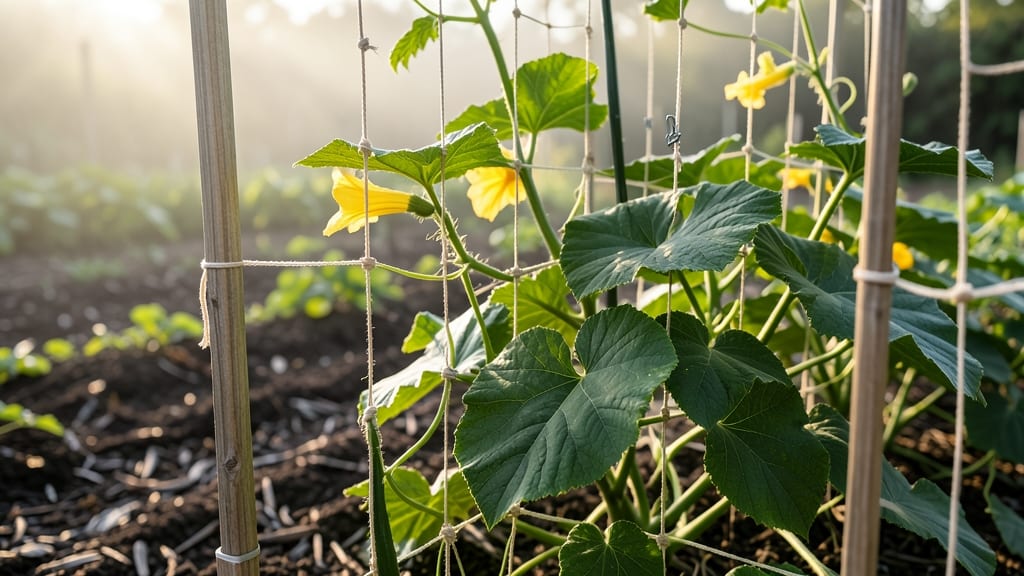
Struggling with how to hang cucumber plants in your garden? 🌱 There's a better way—hanging them vertically saves space, improves airflow, and makes harvesting easier than ever. I used to struggle with sprawling vines until I discovered this simple trellis trick that transformed my garden layout.
The secret lies in sturdy support—whether it's a DIY wooden trellis, strong twine, or even a sturdy fence. You'll need basic supplies: hooks, twine or burlap strips, and a few hours of setup time.
The payoff? Cleaner plants with fewer diseases, easier access to fruits, and a garden that looks organized instead of chaotic.
By the end of summer, your vines will climb 6-8 feet high, producing more cucumbers with less effort. The vertical growth also keeps fruits off the ground, reducing rot and pests. Plus, you'll free up valuable garden real estate for other crops.
Works for both bush and vining varieties, and even adapts to small patios or balconies. Here's how to get started—no green thumb required!
📚 In This Guide
- What you need
- Instructions
- Tips and common mistakes
- Wrapping up and next steps
What you need
- ● Cucumber plants: 1–3 healthy seedlings or seeds (depending on space and yield goals). Choose bush or vining varieties suited for trellising (e.g., 'Straight Eight,' 'Marketmore,' or 'Arkansas Little Leaf').
- ● Trellis or hanging system: Option 1: A sturdy freestanding A-frame trellis (6–8 ft tall, made of wood, metal, or PVC pipes). Look for one with 1–1.5 inch diameter poles and horizontal slats spaced 12–18 inches apart.
- ● Option 2: A hanging basket or sling (12–18 inches in diameter) with drainage holes and a supportive frame (e.g., wire or plastic mesh).
- ● Option 3: A DIY vertical trellis using bamboo stakes (1/2–3/4 inch diameter) or galvanized wire mesh (1/4 inch mesh size) wrapped around a post.
- ● Potting mix: 1–2 bags of lightweight, well-draining potting soil (avoid garden soil—it compacts too easily). Mix in compost or worm castings (1 part compost to 3 parts soil) for extra nutrients.
- ● Containers: For trellises: 5–7 gallon fabric grow bags or plastic pots with drainage holes (1 per plant).
- ● For hanging baskets: Ensure the container is at least 12 inches deep to accommodate roots.
- ● Support accessories: Soft plant ties or Velcro straps (1–2 per plant) to secure vines to the trellis.
- ● Twine or jute twine (for DIY trellises or wrapping vines).
- ● Hooks or S-hooks (if hanging baskets from a pergola, fence, or ceiling).
- ● Watering can or hose with a gentle spray nozzle: Cucumbers need consistent moisture—aim for 1–2 inches of water per week.
- ● Fertilizer: A balanced, water-soluble fertilizer (e.g., 10-10-10 or 5-5-5) or organic options like fish emulsion or compost tea.
- ● Mulch: Straw or shredded leaves to retain moisture and suppress weeds.
- ● Pruning shears: For trimming excess leaves or vines to improve airflow.
- ● Shade cloth: If your climate gets intense afternoon sun (30–50% shade can prevent sunburn).
- ● Companion plants: Marigolds or nasturtiums to deter pests like cucumber beetles.
- ● Plant labels: To track varieties and harvest dates.
Step-by-Step instructions for hanging cucumber plants vertically
Here’s how I transform sprawling vines into neat vertical gardens—no more cucumbers hiding under leaves.
🪴 Step 1: Choose the Right Hanging System
Cucumbers need sturdy support, so pick a A-frame trellis or wall-mounted sling rated for 15-20 pounds per vine. I like the pocket-style trellis because it cradles vines naturally without tangling. Install it near a south-facing wall or fence for maximum sun exposure—cucumbers crave 6-8 hours of direct light daily.
If using a hanging sling, ensure the hook can handle the weight. Test it by hanging a 5-gallon bucket of water—if it holds steady, your cucumbers will too. Position the trellis 12-18 inches from the ground to make harvesting easier and prevent soil-borne diseases from splashing up.
🌱 Step 2: Train Vines to Climb Early
Once seedlings have 3-4 true leaves (not just the initial cotyledons), gently tie the main stem to the trellis with soft plant ties or strips of old T-shirt fabric. Avoid wire or plastic ties—they’ll dig into the stem as it thickens. I like to loop the tie around the vine twice and leave a 1-inch tail—this prevents slipping as the plant grows.
Watch for new growth at the trellis level. When you see a lateral vine (the side shoots) reach 4-6 inches long, tie it upward too. Prune any suckers (the small shoots in the leaf axils) to focus energy on upward growth. This ensures your cucumbers climb instead of sprawl.
✂️ Step 3: Prune and Maintain for Maximum Yield
Every 7-10 days, inspect vines for unruly growth. Pinch off any lateral shoots that grow longer than 12 inches—they’ll steal energy from fruit production. Leave only the top 2-3 main vines to climb, and prune any that cross or tangle. You’ll know you’re doing it right when the trellis looks like a cucumber waterfall instead of a tangled mess.
Support heavy vines with additional ties as they grow. Cucumbers can get top-heavy, so check weekly for wobbly sections. If a vine starts to sag, loop a new tie every 6 inches until it’s secure. Harvest fruits when they’re 6-8 inches long—this encourages more production and keeps vines from overburdening the trellis.
💧 Step 4: Water and Feed for Vertical Success
Hang cucumbers need consistent moisture—water at the base of the trellis every 2-3 days until the soil feels damp 4 inches down. Avoid wetting the leaves to prevent powdery mildew, a common vertical-garden pest. I use a soaker hose for deep, even watering without disturbing the vines.
Feed plants every 2 weeks with a balanced liquid fertilizer (10-10-10 ratio). Vertical cucumbers grow faster and produce more, so they burn through nutrients quicker. Look for large, dark green leaves—that’s your sign the plant is happy. If leaves yellow between veins, it’s time for more iron or a foliar spray.
🌿 Step 5: Harvest and Extend the Season
Pick cucumbers daily once they start producing—overripe fruits weigh down vines and stress the trellis. Use sharp pruners to cut stems cleanly, leaving a ¼-inch stub. This prevents disease entry points and keeps the plant focused on new growth.
To extend the harvest, mulch the base with 2-3 inches of straw to retain moisture and cool roots. If frost threatens, cover the trellis with frost cloth** at night. I’ve kept vines producing well into fall this way—just keep harvesting and protecting the plants.
Tips & tricks for hanging cucumber plants vertically
These simple strategies will help you maximize your vertical garden and keep cucumbers thriving all season long.
Support System Stability: When testing your hanging sling with a 5-gallon bucket of water, make sure it's hanging from a secure hook that's firmly attached to a sturdy wall or railing. I've seen too many vines crash to the ground when the hook pulled out—always double-check that your hardware can handle the weight, especially in windy conditions. The 15-20 pound rating is a good guideline, but if you're growing multiple vines, consider upgrading to heavier-duty hardware.
Tie-Tight Technique: In Step 2, when you're tying vines to the trellis, I recommend using a simple "double loop" method with your soft ties. Wrap the tie around the vine twice before securing it to the trellis, leaving that 1-inch tail you'll see mentioned. This creates a gentle cradle that won't damage the stem as it thickens. I've found that old T-shirt fabric works even better than store-bought ties because it stretches slightly as the vine grows, preventing those painful constriction marks.
Pruning Precision: The 7-10 day pruning schedule in Step 3 is perfect, but here's what I watch for: those lateral shoots that reach 12 inches long often produce smaller cucumbers. Instead of removing them completely, you can pinch them back to just 6 inches and let them produce a few fruits before removing them entirely. This gives you a slightly longer harvest window while still maintaining that vertical growth pattern. The key is to always leave the top 2-3 main vines climbing—this is what drives your cucumber production.
Watering Wisdom: That 2-3 day watering schedule works well, but I've found that checking soil moisture at the 4-inch depth is more important than sticking to the exact schedule. In hot weather, you might need to water daily, while cooler conditions could stretch it to every 4 days. The soaker hose is a game-changer—it delivers water right to the roots without disturbing the vines or wetting the leaves, which helps prevent powdery mildew. I've seen gardens where this simple change doubled their cucumber production by keeping plants healthier.
Pro Tips for Hang Cucumber Plants
- These simple strategies will help you maximize your vertical garden and keep cucumbers thriving all season long.
- Support System Stability: When testing your hanging sling with a 5-gallon bucket of water, make sure it's hanging fro...
- Tie-Tight Technique: In Step 2, when you're tying vines to the trellis, I recommend using a simple "double loop" meth...
Frequently asked questions
Got questions about hanging cucumber plants?
You’re not alone! Here are some of the most common concerns—plus quick, practical answers to help you grow like a pro.
What’s the best time of year to hang cucumber plants?
Plant cucumbers after the last frost when soil temps hit 60–65°F (15–18°C). For hanging setups, wait until vines are 6–8 inches (15–20 cm) long—this gives them enough strength to climb. In warm climates, you can start earlier, but avoid extreme heat (above 90°F/32°C), which stresses plants.
Can I hang cucumber plants in containers or just in the ground?
Cucumbers thrive in containers (5+ gallons) or directly in the ground. For hanging, use large pots with drainage or attach a sturdy trellis to raised beds. Just ensure roots have 6–12 inches (15–30 cm) of depth and 18+ inches (45+ cm) of width per plant. Pro tip: Use self-watering pots to prevent drought stress.
How do I keep cucumbers from overheating or wilting on a trellis?
Cucumbers need consistent moisture—especially when hanging. Water deeply 2x/week (more in heatwaves) and mulch heavily to retain soil moisture. For extreme heat, provide afternoon shade (30–50%) or mist leaves lightly in the morning. Avoid overhead watering to prevent fungal diseases like powdery mildew.
What if my cucumbers stop climbing or droop after hanging?
Drooping or slow climbing usually means stress from heat, thirst, or poor support. Check these fixes:
- Water at the base (not leaves) to avoid shock.
- Prune lower leaves to improve airflow and reduce weight.
- Reinforce the trellis—cucumbers can get heavy! Add soft ties (like old T-shirts) to vines.
- Move to partial shade if temps exceed 90°F (32°C).
Do I need to harvest cucumbers more often when they’re hanging?
Yes! Hanging cucumbers ripen faster due to better airflow and sunlight exposure. Harvest every 2–3 days to encourage more production. Use pruning shears to avoid damaging vines, and pick when cucumbers are firm, bright green, and 6–8 inches (15–20 cm) long. Overripe cucumbers attract pests and reduce yield!
Can I hang other vining plants (like beans or peas) the same way?
While cucumbers are ideal for hanging, bush beans and peas can also work in containers with trellises. However, pole beans (like Kentucky Wonder) are better suited for hanging due to their lightweight vines. Avoid heavy vines like squash or melons—they’ll snap under their own weight! Stick to 1–2 cucumber plants per 5-gallon container for best results.
Wrapping up and next steps
Hanging cucumber plants isn’t just a space-saving hack—it’s a game-changer for small gardens and urban growers! 🌱 With the right trellis, proper spacing, and a little patience, you’ll enjoy healthier vines, easier harvesting, and fewer pests. Plus, your cucumbers will thank you with bigger, straighter fruits.
Ready to transform your garden? Start by gathering your supplies, then pick a sunny spot to hang your trellis. Before you know it, you’ll be reaping the rewards of your vertical gardening efforts! Happy growing!