
How To
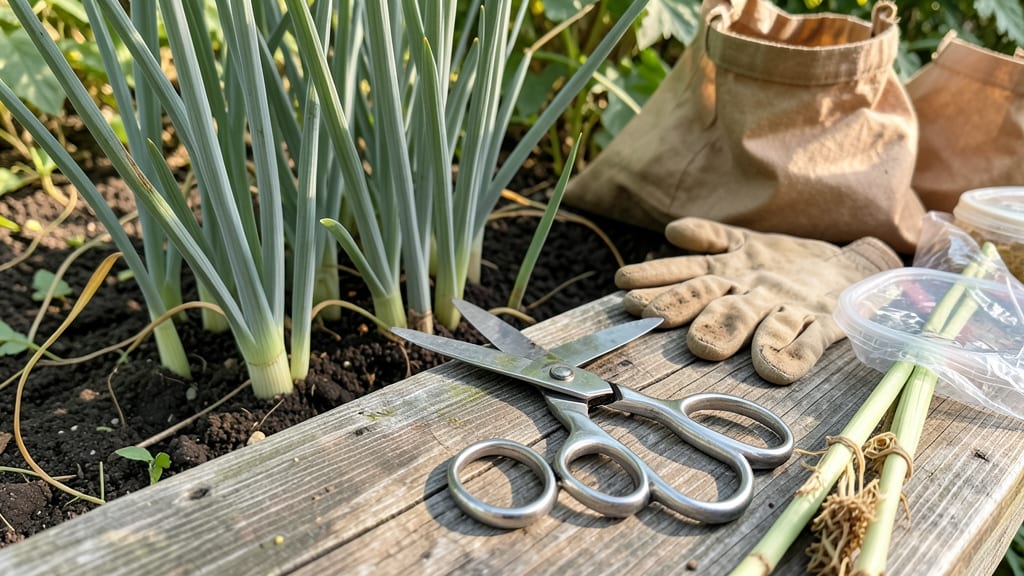
Harvesting and storing lemon grass the right way can turn this zesty herb from a fleeting kitchen addition into a year-round flavor powerhouse—if you know the secrets. The difference between vibrant, aromatic lemon grass and something that’s lost its punch in weeks often comes down to timing and technique.
Picture this: you’ve grown your own 🌿 lemon grass for months, and now it’s time to enjoy the rewards. But how do you know when it’s truly ready?
And once you’ve harvested it, what’s the best way to preserve that bright citrus flavor for up to 3 months? The answers might surprise you.
In this guide, I’ll walk you through the exact steps to harvest your lemon grass at its peak—before it flowers and loses its potency—and share the most effective storage methods to keep it fresh.
Whether you’re prepping for cooking or planning to reuse it in gardening, these tips will ensure you never waste another stalk.
Ready to unlock the full potential of your homegrown lemon grass? Let’s dive into the game-changer techniques that’ll keep your herb tasting fresh, no matter the season.


When and how to harvest lemon grass for maximum flavor and longevity
Harvesting lemon grass at the right time ensures peak flavor and longer storage life. Aim to harvest stems when they reach 12–18 inches tall and the base is about 1 inch in diameter. This usually happens 6–8 months after planting, depending on your climate.
The leaves should be fully elongated and a vibrant green, with a strong citrus aroma when crushed. If you harvest too early, the stalks will be woody and less flavorful.
Wait until the morning after watering when the soil is moist but not soggy. This makes the stems firmer and easier to cut without damaging the plant. Avoid harvesting in the heat of the day, as the stalks can be more brittle and prone to breaking.
Early morning also ensures you capture the highest essential oil content, which fades as the day progresses.
Use a sharp, clean pair of pruning shears or a chef’s knife to cut the stalks about 2 inches above the base. This encourages regrowth from the root system, giving you multiple harvests per plant.
Never pull the stalks from the ground, as this can damage the roots and weaken future growth. Always leave at least 3–4 healthy stalks per plant to maintain productivity.
After cutting, trim off the tough lower third of the stalk, which is less flavorful. The remaining 12–18 inches of tender, leafy growth is perfect for storage or immediate use.
If you’re harvesting for long-term storage, avoid washing the stalks until after storage—moisture speeds up spoilage. Instead, gently brush off any dirt with a damp cloth.
Seasonal timing also matters: harvest lemon grass in late spring or early summer (April–June in most climates) for the brightest flavor. In warmer zones, you can extend harvesting into early fall before the first frost.
If you live in a colder climate, harvest before the first frost date (typically October 15 in Zone 6a) and store the stalks indoors for winter use.
Over-harvesting weakens your lemon grass plant. Never take more than one-third of the stalks at a time, and avoid harvesting during drought stress or extreme heat. Signs of over-harvesting include yellowing leaves, stunted growth, or no new shoots.
If this happens, reduce harvesting frequency and focus on watering and fertilizing to recover.
Step-by-Step Harvesting Guide
- ✅ Check stalk size: Wait until stalks are 12–18 inches tall with a 1-inch base.
- ✅ Harvest in the morning: Cut after watering for firm, flavorful stalks.
- ✅ Use sharp tools: Prune 2 inches above the base with clean shears.
- ✅ Leave 3–4 stalks: Preserve plant health for future regrowth.
- ✅ Trim the base: Remove the tough lower third before storage.
- ✅ Avoid washing: Brush off dirt to prevent moisture buildup.
For year-round harvests, grow lemon grass in containers and move them indoors before frost. Place pots near a south-facing window or under grow lights to maintain growth. Even in containers, follow the same harvesting rules—never take more than one-third of the stalks at a time.
With proper care, a single plant can yield harvests every 6–8 weeks for years.
Pro tip: If your lemon grass starts to flower, harvest immediately. The flavor degrades rapidly once flowering begins, and the plant may stop producing new stalks. Always prioritize young, leafy growth over mature, woody stalks for the best results.
Now that you’ve mastered harvesting, the next step is storage. Proper techniques can extend lemon grass’s shelf life to 3 months or more, keeping its zesty aroma intact for soups, teas, and marinades. Stay tuned for our next section on the 5 best storage methods—ranked by effectiveness!
5 Proven storage methods to keep lemon grass fresh for 3 months (ranked by effectiveness)
Storing lemon grass properly can mean the difference between a zesty, aromatic herb and a sad, flavorless relic. The key is choosing the right method based on how you plan to use it—whether you need whole stalks for cooking or chopped pieces for teas.
Below, I’ve ranked the top 5 storage methods by shelf life and flavor retention, so you can pick what works best for your kitchen.
First, let’s address the biggest mistake most gardeners make: storing lemon grass with the roots still attached. Unless you’re keeping it in soil (more on that later), always trim the base cleanly.
This prevents moisture loss and mold growth, which can ruin your herb in days. Use a sharp knife or pruners to cut 1-2 inches above the soil line—this encourages regrowth too!
| Method | Shelf Life | Best For | Flavor Retention |
|---|---|---|---|
| Freezing (whole stalks) | 3 months | Cooking, soups, curries | 90% |
| Refrigeration (trimmed stalks) | 2-3 weeks | Fresh use, garnishes | 85% |
| Drying (hanging method) | 6 months | Tea blends, seasoning | 70% |
| Root storage (in soil) | 2-3 months | Regrowth, fresh harvests | 95% |
| Freezing (chopped) | 2 months | Pasta, marinades | 75% |
*Flavor retention based on fresh lemon grass as 100%
For the longest shelf life, freezing whole stalks is my top pick. Start by trimming the stalks to 8-10 inches long and removing the tough outer leaves. Wrap each stalk tightly in plastic wrap or aluminum foil, then place them in a freezer bag.
This method locks in 90% of the flavor for up to 3 months—perfect for bulk harvesting. When ready to use, simply thaw a stalk in the fridge overnight or microwave it for 10 seconds to soften.
If you prefer dried lemon grass, the hanging method works best. Bundle 3-5 stalks together and hang them upside down in a warm, dry, dark place (like a pantry) for 2-3 weeks. Once completely dry, strip the leaves and store them in an airtight container.
Dried lemon grass retains about 70% of its flavor but stays potent for 6 months, making it ideal for teas or seasoning blends.
For quick access, refrigeration is the easiest option. Trim the stalks to 6-8 inches and place them upright in a jar with 1 inch of water (like flowers). Cover loosely with a plastic bag and store in the crisper drawer.
Change the water every 3-4 days to keep it fresh for 2-3 weeks. This method is great if you use lemon grass frequently but don’t want to commit to freezing.
Pro tip: If you’re growing lemon grass as a perennial, consider root storage. After the first frost, trim the stalks back to 3-4 inches and pot the plant. Keep it in a cool, dark place (like a garage) and water sparingly.
In spring, it’ll regrow with 95% of its original flavor, giving you a head start on the season!