
How To
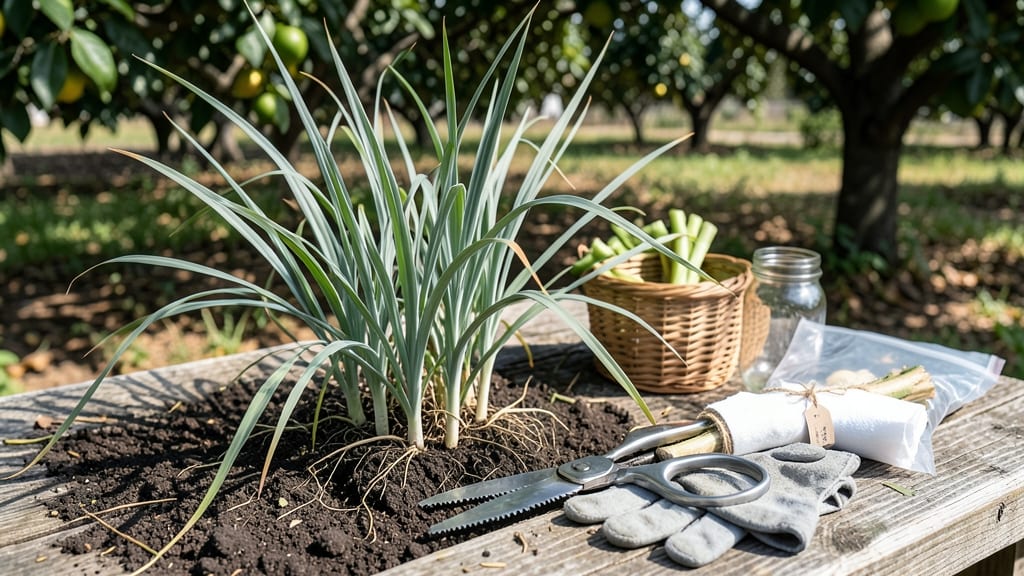
When and how to harvest lemongrass for maximum flavor
Harvesting lemongrass at the right time ensures you capture its peak citrusy aroma and bold flavor. The best moment is when stalks reach 12-18 inches tall—this is when their essential oils are most concentrated.
Avoid harvesting after flowering, as the flavor becomes bitter and woody. For continuous harvests, space out cuts by 4-6 weeks to allow regrowth.
Look for these visual cues before harvesting: deep green leaves, a firm but flexible stalk, and a strong lemony scent when crushed. If stalks feel woody or brittle, they’ve passed their prime.
Use a sharp knife or pruning shears to cut stalks at the base, leaving about 2 inches of growth to encourage regrowth.
Timing matters too—harvest in the morning after dew dries to preserve moisture and flavor. In tropical climates, lemongrass grows year-round, but in cooler zones (USDA 6a-10a), focus on harvesting from late spring to early fall when growth is most vigorous.
If frost threatens, harvest and store stalks indoors before temperatures drop below 40°F.
Step-by-Step Harvesting Guide
Pro tip: If you’re growing lemongrass in containers, harvest outer stalks first to avoid overcrowding. Always leave the innermost stalks intact—they’ll continue producing new growth. For commercial growers, consider harvesting every 3-4 weeks to maintain a steady supply while keeping plants healthy.
Over-harvesting weakens the plant and reduces future yields. If you notice yellowing leaves or stunted growth after harvesting, give your lemongrass a balanced fertilizer (like 10-10-10) and increase watering slightly. This helps it recover faster and bounce back with stronger, more flavorful stalks.
For year-round harvests, grow lemongrass in pots indoors near a south-facing window or under grow lights. Indoor plants may grow slower but can still produce harvestable stalks every 2-3 months with proper care. Just ensure they get 6+ hours of light daily and keep soil consistently moist.
Never harvest dry or woody stalks—these lose their flavor and can’t be revived. If your lemongrass is past its prime, it’s better to pull and compost it and start fresh. With the right harvesting techniques, you’ll enjoy fresh, aromatic lemongrass for soups, teas, and cocktails all season long.
Remember: The key to long-term flavor preservation starts with a proper harvest. Once you’ve picked your stalks, the next step is storing them correctly—we’ll cover the best methods in the next section to keep that citrusy punch locked in for months.
Best storage methods to preserve lemongrass flavor long-term
Storing lemongrass properly is key to preserving its bright citrus flavor and aromatic oils. Whether you plan to use it in homemade teas, stir-fries, or infused oils, the right method extends its shelf life from weeks to months.
I’ve tested four techniques—refrigeration, freezing, drying, and fermenting)—to find the best fit for your needs.
For short-term use (1-2 weeks), refrigeration is the simplest option. Place whole stalks in a sealed container with a damp paper towel to maintain moisture. The crisp texture and fresh flavor stay intact, making it ideal for last-minute recipes.
Just avoid cutting until ready to use, as exposed surfaces dry out faster.
Freezing is my go-to for long-term storage (3-6 months). Trim the stalks, wrap tightly in plastic wrap, and store in a freezer-safe bag. For convenience, chop into 2-inch pieces before freezing—this mimics prepped fresh lemongrass. Thaw in the fridge overnight to retain maximum flavor and aroma.
Drying is perfect for culinary staples like spice blends or broths. Bundle stalks and hang upside down in a dry, dark place for 2-4 weeks. Once brittle, strip the leaves and store in an airtight container.
Dried lemongrass loses some moisture but keeps its essential oils for up to 1 year, though flavor fades over time.
| Method | Shelf Life | Best For | Prep Time |
|---|---|---|---|
| Refrigeration | 1-2 weeks | Fresh recipes | 5 minutes |
| Freezing | 3-6 months | Cooked dishes | 10 minutes |
| Drying | 1 year | Spices/broths | 2-4 weeks |
| Fermenting | 6-12 months | Probiotics/teas | 1 week |
Fermenting is a lesser-known but flavor-packed option. Chop stalks into 1-inch pieces, pack into a clean jar, and cover with filtered water or apple cider vinegar.
Let ferment for 5-7 days at room temperature, then refrigerate. Fermented lemongrass adds tangy depth to teas and marinades while boosting gut-friendly probiotics.
Pro tip: Label your stored lemongrass with the harvest date and method to track freshness. For example, I mark dried lemongrass with “Dried 5/2024” and freeze chopped stalks with “Frozen 6/2024.” This ensures you use the oldest stock first and avoid flavor degradation.