
How To
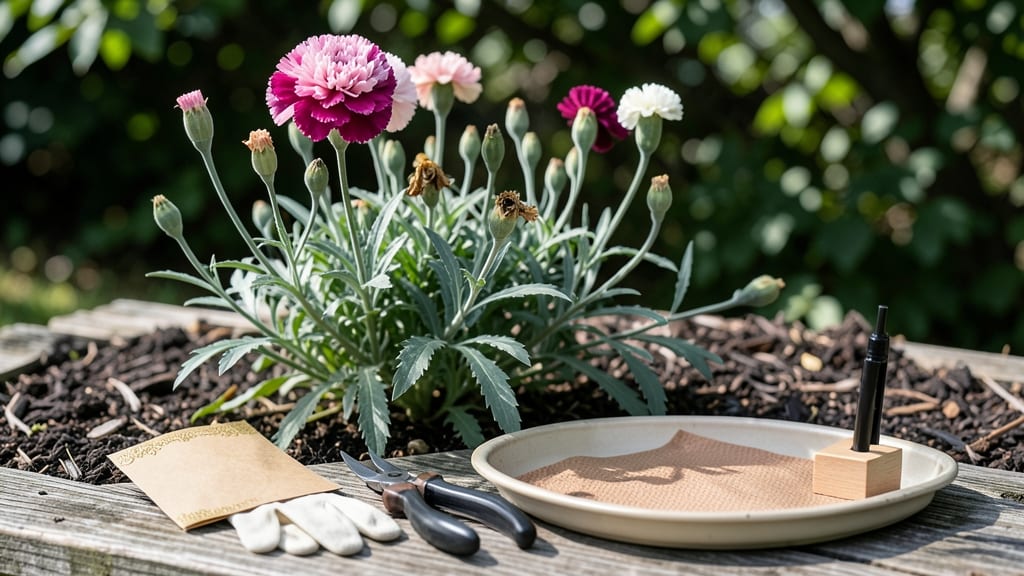
Harvesting carnation seeds at the right time is the game-changer for growing next year’s vibrant 🌸 blooms—but many gardeners miss the critical window or mishandle drying.
Whether you’re a seasoned gardener or just starting with carnations, knowing when and how to collect seeds ensures you’ll have healthy plants ready for spring planting.
The key to success lies in identifying the perfect moment when seed pods are fully mature. These pods start as green and firm but transform into brown, brittle structures that easily release seeds when touched.
If you harvest too early, you’ll end up with non-viable seeds, but waiting too long risks losing them to wind or pests.
Once you’ve spotted the right pods, the next step is drying them properly to maintain seed viability. I’ll walk you through the best methods for drying carnation seeds at home, including how to avoid mold and ensure a high germination rate.
With the right approach, you’ll be ready to store your seeds for planting in March or April, setting the stage for a stunning garden the following year.
Don’t let your hard work go to waste—learning how to harvest carnation seeds correctly will save you time and money while giving you the satisfaction of growing your own plants from seed. Let’s dive into the exact steps to make this process smooth and stress-free.


How to identify and harvest mature carnation seed pods
Carnation seeds develop inside dried flower heads after blooms fade, but harvesting too early or late can ruin your chances of successful germination. The key is timing—wait until the seed pods turn brown and brittle, but don’t let them split open naturally on the plant.
This usually happens 8-12 weeks after flowering, depending on your climate.
Start by examining the flower heads closely. Look for brown, papery seed pods that feel dry to the touch. If you gently squeeze a pod and it releases seeds easily, it’s past its prime.
The ideal moment is when pods are brown but still closed, with a slight crack forming along one seam.
Use clean, sharp pruning shears or scissors to snip the dried flower heads from the stem. Cut about 1 inch below the seed pod to avoid damaging the plant. Place the harvested pods in a paper bag or envelope to prevent seeds from scattering while they dry further.
Pro Tip: Harvest on a dry, sunny morning to minimize moisture. Avoid rainy days when humidity could cause mold during drying.
If you miss the window and pods split open naturally, place them in a paper bag and gently shake to collect loose seeds. These seeds may still germinate, though viability decreases over time.
Never harvest green or partially colored pods—they won’t contain mature seeds. Immature seeds are light-colored and soft, while ripe seeds are dark brown or black and firm to the touch.
For best results, harvest seeds from healthy, disease-free plants. Avoid pods that show signs of pests or fungal spots, as these can reduce germination rates.
Step-by-Step Guide to Harvesting Carnation Seeds
- Step 1: Identify brown, dry flower heads with closed pods.
- Step 2: Use clean shears to cut pods 1 inch below the base.
- Step 3: Place pods in a paper bag to prevent seed loss.
- Step 4: Label bags with harvest date and variety (if known).
- Step 5: Store in a cool, dry place for 1-2 weeks to complete drying.
Once pods are fully dry, gently crush them between your fingers to release seeds. Store the seeds in paper envelopes (not plastic) to prevent moisture buildup. Label each envelope with the harvest year and variety—this helps track seed age and germination rates later.
If you’re unsure whether your seeds are ready, perform a float test: Place seeds in a glass of water. Viable seeds will sink to the bottom, while empty or damaged seeds will float. Discard any that float to improve germination success.
With proper timing and care, your homegrown carnation seeds can yield 90%+ germination rates when stored correctly. The key is patience—rushing the process leads to poor-quality seeds that won’t sprout.
How to identify and harvest mature carnation seed pods
Carnation seed pods develop after flowers fade, but harvesting too early ruins viability. Look for fully brown, dry flower heads—this signals mature seeds ready for collection. Avoid picking pods that are still green or partially colored, as seeds inside won’t be fully developed.
Timing is critical: harvest seeds in late summer to early fall (September–October) when pods begin cracking open naturally. Wait until pods feel brittle and release seeds easily when touched. Premature harvesting leads to low germination rates or moldy seeds.
Here’s how to spot ripe carnation seed pods and collect them properly:
Use clean, dry pruning shears to snip entire seed heads if pods are too fragile. Place harvested pods in a paper bag or envelope to prevent moisture buildup during transport. Label each bag with the harvest date and carnation variety to track seed age later.
If pods open too quickly, cover them with a breathable mesh bag to slow seed release while keeping them on the plant. This buys you time to harvest all pods at once. Never store wet or damp pods—they’ll mold before drying.
Pro tip: Harvest on a dry, sunny morning to ensure pods are at their driest. Avoid harvesting after rain, as excess moisture speeds up mold growth during storage.