
How To
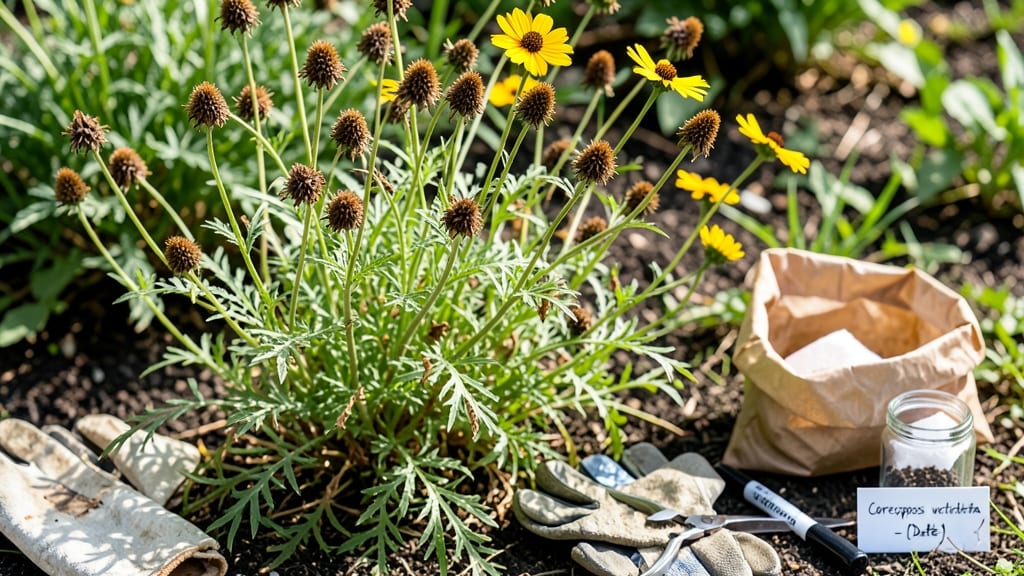
Harvesting Coreopsis seeds is one of the easiest ways to save money and ensure your garden stays vibrant year after year. These cheerful 🌼 flowers don’t just brighten your space—they also produce seeds that are simple to collect, dry, and store for future planting.
Whether you're a seasoned gardener or just starting out, mastering this process will give you a steady supply of plants without the hassle of buying new ones every season.
The key to successful seed harvesting lies in timing and technique. You’ll want to wait until the flower heads turn completely brown and papery, usually in late summer or early fall, before collecting them. This ensures the seeds inside are fully mature and ready for storage.
Missing this window means you might end up with seeds that won’t germinate, so knowing exactly when to act is the most important step.
Once you’ve identified the right moment, the actual collection process is surprisingly simple. With just a few basic tools and a little patience, you can dry and store your seeds for months—or even years—without losing their viability.
I’ll walk you through every step, from picking the perfect seed heads to storing them properly, so you can enjoy a fresh batch of Coreopsis blooms next spring.
Don’t let these seeds go to waste—turning them into next year’s garden is a game-changer for any gardener. Let’s dive into how you can make the most of your Coreopsis plants and keep your garden thriving with minimal effort.


When and how to identify mature Coreopsis seed heads for harvesting
Harvesting Coreopsis seeds at the right time ensures high seed viability and strong plants next season. The key is watching for visual maturity cues that signal when the seed heads are ready for collection. Unlike harvesting vegetables, flower seeds require patience—waiting until they're fully dry prevents mold and poor germination.
Start by identifying ripe seed heads in late summer or early fall, typically between August and September in most USDA zones. Look for fully brown flower heads that have lost all green color. The petals should have fallen away naturally, leaving behind dry, papery structures where seeds develop.
One of the most reliable harvesting indicators is the seed rattle test. Gently shake a mature seed head—if you hear seeds moving inside, they're ready. This dry, crispy texture means the seeds have reached optimal moisture levels for collection.
Avoid harvesting when heads are still green or partially dried, as seeds won't be fully developed.
Timing is critical because Coreopsis seeds scatter easily once fully mature. If you wait too long, you might find seeds already spread across your garden or lawn.
The ideal window is when 70-80% of seed heads show these maturity signs, giving you a good harvest without losing too many to wind dispersal.
Another helpful trick is to compare seed heads side by side. Mature ones will feel lightweight and brittle, almost like dried paper, while immature heads remain firm and green. This visual comparison helps even novice gardeners distinguish between ready and not-ready seeds.
For gardeners in cooler climates (USDA zones 3-5), aim to harvest before the first frost. In warmer zones (6-10), you have more flexibility, but don't delay beyond October to avoid seed loss. Always harvest on dry, sunny days to prevent moisture from accelerating seed spoilage during drying.
Check for fully brown seed heads
No green remains; petals have fallen away naturally
Perform the seed rattle test
Gently shake—seeds should move inside dry heads
Verify crispy texture
Heads should feel light and brittle to touch
Harvest before seed dispersal
Collect when 70-80% show maturity signs
If you're unsure whether your Coreopsis seeds are ready, consider cutting one head open. Look for plump, dark-colored seeds inside—they should be firm but not hard.
Hollow or shriveled seeds indicate they're past their prime. Remember, overripe seeds lose viability quickly, so don't wait too long once you spot these maturity signs.
For gardeners with multiple Coreopsis varieties, harvest each type separately. Some cultivars produce seeds at slightly different times, and mixing them could lead to unexpected color variations in future blooms. Always label your seed collections immediately after harvest to maintain variety purity.
Pro tip: Use a small mesh bag or paper envelope when collecting seeds to prevent accidental loss. This simple step saves time and frustration, especially when dealing with lightweight Coreopsis seeds that scatter easily.
Store your freshly harvested seeds in a cool, dry place while you prepare them for long-term storage.
By mastering these harvesting techniques, you'll ensure your Coreopsis seeds remain viable for planting next spring. The key is patience—waiting for perfect maturity pays off with healthier plants and more vibrant blooms in your garden.
Best methods for collecting and drying Coreopsis seeds at home
Once you’ve identified your mature Coreopsis seed heads, the next step is collecting and drying them properly. The method you choose depends on your garden size and available tools. For small batches, hand-stripping is quick and efficient, while larger collections benefit from whole-head drying techniques.
I’ve found that paper bag drying is my go-to method because it’s simple and minimizes seed loss. Simply place dried seed heads in a brown paper bag, tie it shut, and hang it upside down in a dry, well-ventilated area like a garage or shed.
This allows seeds to fully mature and release from the heads naturally.
Here’s a quick comparison of the three most effective methods—each has its own advantages depending on your needs:
Hand-Stripping
✅ Fast for small batches
✅ No drying space required
✅ Immediate seed access
❌ Risk of seed loss if heads aren’t fully dry
❌ Labor-intensive for large collections
Paper Bag Drying
✅ Minimizes seed scattering
✅ Allows natural seed release
✅ Works well for medium batches
❌ Requires hanging space
❌ Takes 2-3 weeks for full drying
Whole-Head Drying
✅ Ideal for large collections
✅ Preserves seed heads intact
✅ Easy to store until ready
❌ Needs more storage space
❌ Requires shaking to release seeds later
For best results, aim for a dry environment with temperatures between 60-75°F. Avoid humid areas like basements, as moisture can reduce seed viability. If you’re short on space, lay seed heads on a wire rack or mesh screen in a dry spot—this speeds up airflow and drying time.
Once seeds are fully dried, they’ll easily pop out when you gently squeeze the dried flower heads. Store them in a cool, dark place until ready for planting. This method ensures you’ll have healthy seeds for next season’s garden without the hassle of buying new ones!
Pro tip: Label your seed bags with the harvest year and Coreopsis variety to keep track of your collection. This saves time and confusion when it’s time to replant!
🌼