
Picking
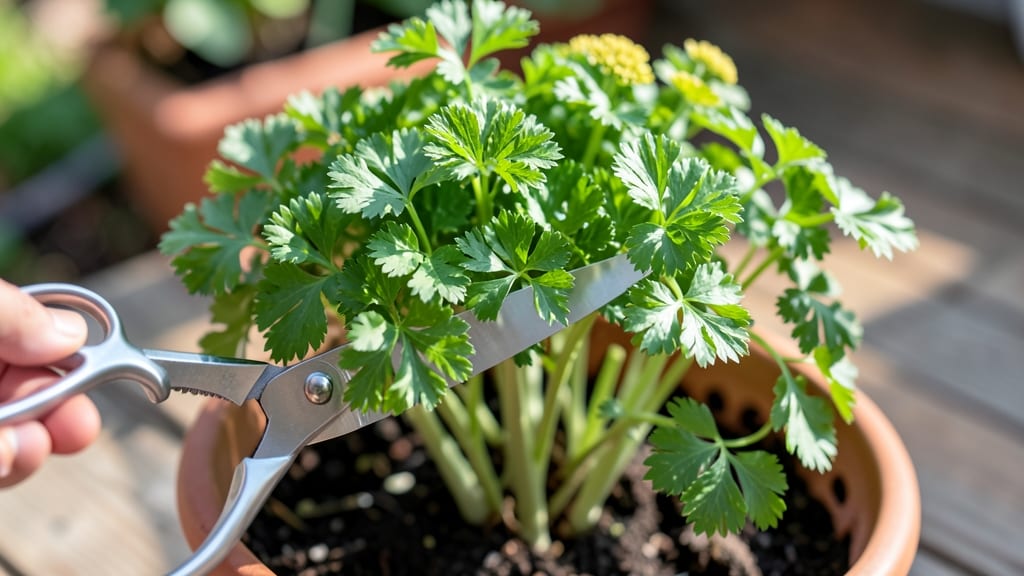
How to pick parsley so it grows back—the trick is cutting it right: 3 inches above the base is the magic number. 🌿 I’ve learned the hard way that snipping too low turns my parsley into a sad, woody stub. The key is patience: harvest outer stems first, leaving the center to regrow, and you’ll have fresh parsley for months.
Timing matters too—pick after flowering but before bolting (when it turns to seed). A sharp pair of scissors beats tearing stems, and always harvest on a dry morning to prevent disease. This method works for both flat-leaf and curly parsley, though flat-leaf tends to regrow more reliably.
After harvesting, water deeply and fertilize lightly with compost tea. Parsley thrives in partial shade, so avoid full sun in hot climates. In cooler zones, it may overwinter as a biennial, while in warmer areas, it’s often treated as an annual—still worth growing for its resilience.
Skip the base, save the center, and you’ll enjoy parsley all season. The first regrowth appears in 2-3 weeks, and with proper care, your plants will stay productive for 6-12 months. No need for fancy tools—just a sharp cut and a little patience.
📚 In This Guide
- What you need
- Instructions
- Tips and common mistakes
- Wrapping up and next steps
What you need
- ● Sharp pruning shears or kitchen scissors – Opt for clean, sterilized tools (rubbing alcohol wipe works!) to prevent disease. A 5-inch blade is ideal for precision.
- ○ Gloves (optional but recommended) – Protect your hands from dirt and sap. Lightweight gardening gloves with tactile grip are perfect.
- ● Watering can or hose with a gentle spray nozzle – A 1-gallon capacity can ensures even hydration post-harvest.
- ● Organic compost or balanced fertilizer (5-5-5 NPK ratio) – A ½ cup per plant after harvesting boosts regrowth. Look for slow-release options.
- ● Mulch (straw, shredded leaves, or pine needles) – A 2-inch layer retains moisture and regulates soil temp.
- ● Label markers – If you’re growing multiple parsley varieties (e.g., curly vs. flat-leaf), waterproof labels keep things organized.
- ● Epsom salt (magnesium sulfate) – A 1-tbsp dose dissolved in 1 gallon of water every 4–6 weeks prevents yellowing leaves.
- ● Garden twine or stakes – Useful if your parsley flops over (especially in flat-leaf varieties).
- ● Harvesting basket or container – A mesh bag or shallow tray keeps leaves from bruising.
How to pick parsley so it grows back: snip-and-grow method for lush regrowth
This simple technique keeps your parsley bushy and productive for months—no need to yank the whole plant.
🌿 Step 1: Wait Until the Plant Is Established
Hold off on harvesting until your parsley has 4-6 true leaves and stands at least 6 inches tall. This takes about 4-6 weeks from transplanting, depending on your climate. You’ll know it’s ready when the stems feel sturdy and the leaves are vibrant green—not pale or leggy.
Real talk: If you snip too early, you’ll stunt the plant’s growth. I’ve seen parsley that got picked too soon never recover its full vigor. Wait until the plant looks healthy and crowded—then you’re golden.
✂️ Step 2: Use the Right Cutting Technique
Grab a clean, sharp pair of scissors (or your fingers for small stems) and cut just above a leaf node—that’s where new growth emerges. For flat-leaf parsley, aim for the outer stems first, leaving the center intact. Curly parsley should be trimmed from the bottom third of the plant to encourage bushier growth.
Don’t take more than one-third of the plant at a time. This ensures the roots keep feeding the remaining leaves, so the parsley doesn’t go into shock. I like to harvest in the morning when moisture levels are high—it makes the stems crisp and easy to cut.
💧 Step 3: Water and Fertilize After Harvesting
After snipping, water the plant deeply until the soil is moist 2 inches down. Parsley has shallow roots, so consistent moisture keeps it happy. If the soil feels dry, the plant will focus on survival instead of regrowth. I use a watering can with a narrow spout to avoid disturbing the roots.
Add a balanced liquid fertilizer (like 10-10-10) diluted to half strength every 4-6 weeks during the growing season. This gives the parsley the nutrients it needs to bounce back quickly. Over-fertilizing can burn the roots, so always follow the package instructions.
☀️ Step 4: Keep Light and Soil Conditions Ideal
Parsley thrives in partial shade to full sun—4-6 hours of sunlight daily is perfect. If your plant starts looking leggy or sparse, it might need more light. I’ve found that morning sun and afternoon shade works best in hot climates, preventing the leaves from scorching.
Ensure the soil stays well-draining but consistently moist. A mix of potting soil and compost keeps it from getting waterlogged. If the soil compacts, the roots suffocate, and regrowth slows. I like to loosen the soil gently with my fingers once a month to improve airflow.
⏰ Step 5: Repeat the Cycle for Continuous Harvest
You can harvest parsley every 3-4 weeks using the same method. The key is never taking more than a third at once. Over time, your parsley will grow thicker and bushier as it compensates for the trimming. I’ve had parsley plants last 2-3 years with this method—way longer than the usual 6 months.
If your parsley starts to look tired by late summer, give it a light trim back to encourage fresh growth in the fall. Just like pruning roses, a little maintenance keeps it thriving. And if you live in a cold climate, mulch around the base to protect the roots over winter.
Tips & tricks for perfect parsley regrowth
Here's what nobody tells you about keeping your parsley thriving after every harvest.
Timing is Everything: The 4-6 week wait before first harvesting can't be rushed. I learned this the hard way after ruining three batches of parsley by picking too soon. Wait until you see those sturdy stems and vibrant leaves—it's worth the patience. Once established, the 3-4 week harvest cycle keeps your plant productive for years, not months.
The Cutting Technique That Changed Everything: That leaf node is your secret weapon—always cut just above it. I used to snip randomly, and my parsley would grow back unevenly. Now, I make sure to leave the center intact for flat-leaf varieties and trim the bottom third for curly types. This simple adjustment makes all the difference in how bushy your plant stays.
Morning Harvests Work Best: Harvesting in the morning when stems are crisp and full of moisture makes cutting easier and reduces stress on the plant. I've found that morning-picked parsley stays fresher longer too. Plus, the morning dew helps keep the soil moist longer, which your parsley will appreciate after you've been trimming it.
Soil Maintenance Matters: That monthly soil loosening I mentioned isn't just about looks—it's about giving those shallow roots room to breathe. Compacted soil means suffocated roots, which means slower regrowth. I use my fingers to gently fluff the top inch of soil, and my parsley rewards me with faster recovery after each harvest.
Pro Tips for Pick Parsley So It Grows Back
- Here's what nobody tells you about keeping your parsley thriving after every harvest.
- Timing is Everything: The 4-6 week wait before first harvesting can't be rushed.
- The Cutting Technique That Changed Everything: That leaf node is your secret weapon—always cut just above it.
Frequently asked questions
1. How often should I pick parsley to encourage regrowth?
Harvest parsley every 2–3 weeks during its growing season (spring to fall). Avoid over-picking—never trim more than ⅓ of the plant at once. Regular, light harvesting stimulates bushier growth, while aggressive cuts can stress the plant.
2. Can I pick parsley in winter, or should I wait until spring?
Parsley is a hardy perennial in mild climates (USDA Zones 3–10) and can survive light winter harvests if protected from frost. In colder regions, wait until spring when new growth resumes. Always pick on warmer, sunny days to avoid damaging tender stems.
3. What if my parsley stops growing back after I cut it?
Stunted regrowth often signals over-harvesting, poor soil, or pests. Try these fixes:
- Fertilize with balanced organic fertilizer (10-10-10).
- Water deeply 1–2 inches per week (drought stress stunts growth).
- Check for aphids or cabbage worms—spray with neem oil if needed.
- Prune yellow or leggy stems to redirect energy.
4. Should I pick parsley by the stems or the whole bunch?
Always snip individual stems (not the whole plant) 2–3 inches above the soil. This preserves the crown (growth center) and encourages multiple flushes of regrowth. Avoid yanking stems—it tears roots and weakens the plant.
5. Can I use the same method for curly vs. flat-leaf parsley?
Yes! Both varieties regrow using the snip-and-grow method, but flat-leaf (Italian) parsley is more resilient and may recover faster. Curly parsley is slower to bounce back—harvest it less aggressively (every 3–4 weeks) to avoid woody stems.
Wrapping up and next steps
Mastering the art of harvesting parsley ensures you’ll enjoy fresh, abundant greens all season long! 🌱 By using the snip-and-grow method—cutting just above the leaf nodes and avoiding the woody stems—you’re giving your plant the best chance to regrow lush and healthy.
With patience and care, your parsley will thrive, rewarding you with a steady supply of flavorful leaves for soups, salads, and garnishes.
Ready to put your new skills to the test? Grab your shears and head to the garden—your next harvest is just a snip away! 🌿