
How To
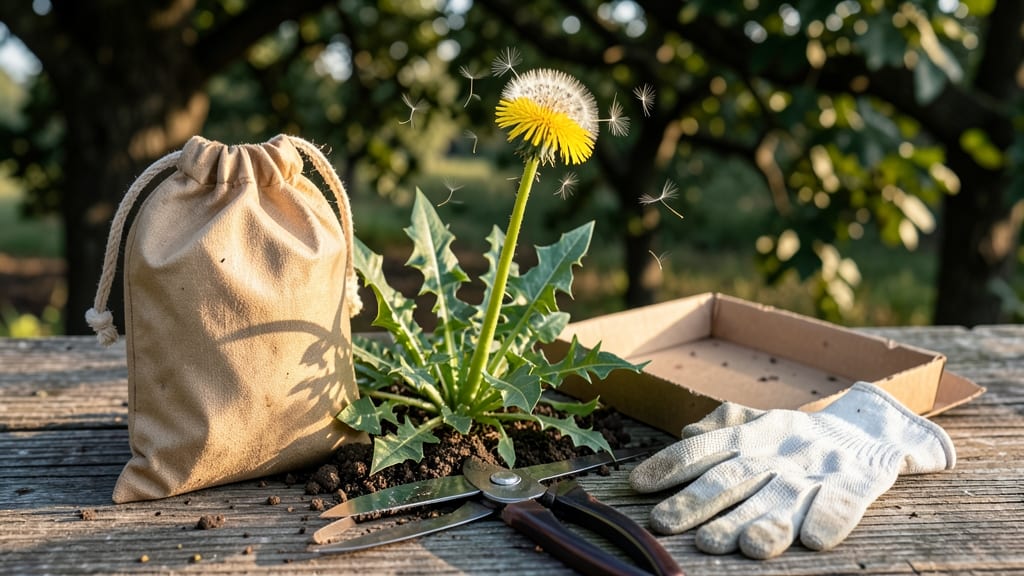
Harvesting dandelion seeds might seem like a simple task, but timing it perfectly can mean the difference between a bountiful collection and a handful of fluff. These golden puffballs are more than just weeds—they’re a powerhouse for pollinators, crafts, and even natural remedies.
If you’ve ever watched a dandelion seed head disperse into the wind, you know how quickly you can lose that harvest. The key is knowing exactly when those fluffy seed heads are ready—usually in late summer or early fall—when the weather is dry and sunny.
A little patience and the right tools can turn your backyard into a seed-collection goldmine.
I’ll walk you through the best methods for harvesting, from using paper bags to cutting stems at the right time. Plus, I’ll share tips on storing your seeds so they stay fresh for months, whether you’re saving them for gardening, crafts, or supporting local wildlife.
Ready to turn those 🌼 dandelions into something useful? Let’s dive into the secrets of a successful harvest—without a single seed lost to the breeze.


The perfect timing for harvesting dandelion seeds: when and how to spot ready seed heads
Harvesting dandelion seeds at the wrong stage means watching them drift away on the wind—literally. The key is catching those fluffy white seed heads when they’re fully mature but haven’t yet released their seeds.
This usually happens in late spring to early summer, depending on your climate. In my USDA Zone 6a, I aim for May to early June when the days are warm and dry.
Look for three telltale signs that your dandelions are ready: the seed head turns from green to white and fluffy, the seeds detach easily with a gentle touch, and the leaves begin to yellow and wilt.
If you see seeds already floating away, you’ve missed the window! The best time of day to harvest is early morning when the air is still and humidity is low.
Weather plays a critical role in seed maturity. Avoid harvesting after rain or high humidity, as moisture can cause mold or premature seed dispersal. I always check the 5-day forecast before planning my harvest—clear skies and temperatures above 60°F are ideal.
If rain is predicted, I’ll harvest a few days early and let the seeds dry indoors.
Regional differences matter too. In warmer climates, seed heads may mature earlier (as early as April), while cooler zones like mine might need to wait until June. Observe local dandelions in wild patches or parks to gauge the right timing.
Pro tip: Harvest on a windless day—even a light breeze can scatter seeds faster than you can collect them!
Timing isn’t just about the season—it’s about the plant’s life cycle. Dandelions follow a predictable pattern: they bloom yellow flowers, which turn into green seed heads, and finally mature into those iconic white puffballs.
If you’re harvesting for wildlife support, like feeding birds in winter, aim for late May to June when seeds are plentiful. For medicinal or craft uses, you can harvest slightly earlier when the fluff is dense but seeds are still tightly packed.
One mistake I made early on was harvesting too late—by the time I noticed the seed heads, half the seeds had already scattered. Now, I set a reminder for late May and scout my garden weekly.
If you’re new to harvesting, mark a few plants as "test subjects" and watch their progression. This gives you a visual reference for future harvests.
Light also affects seed maturity. Dandelions thrive in full sun (6+ hours daily), which speeds up their life cycle. If your plants are in partial shade, they may take 2-3 weeks longer to reach the harvestable stage.
In my garden, the dandelions near the south-facing fence mature first, followed by those in partial shade under fruit trees.
Don’t overlook the stem condition—a dry, brittle stem is another sign of readiness. Gently tug on the seed head; if it detaches easily, it’s harvest-ready. If it resists, wait another 3-5 days.
Over-mature seeds lose their viability for planting, so precision matters. I’ve found that harvesting every 2-3 days during peak season ensures I don’t miss the window.
For large-scale harvesting, like collecting seeds for pollinator seed bombs, I focus on wild dandelion patches where plants are abundant. Always check local regulations—some areas protect native plants. In my experience, urban and suburban areas have the most reliable dandelion populations for seed harvesting.
Step-by-step harvesting techniques: tools and methods for collecting seeds efficiently
Harvesting dandelion seeds efficiently starts with the right tools and timing. You’ll need paper bags, pruning shears, or even a DIY seed collector made from a plastic bottle.
I prefer using breathable paper bags because they prevent moisture buildup, which can cause mold. Avoid plastic bags—they trap humidity and ruin your seeds faster than you’d think!
Timing matters just as much as tools. Always harvest on dry, sunny mornings when the seed heads are fully fluffy and white. If you wait until afternoon, seeds may already be dispersing in the wind.
I’ve learned this the hard way—skipping this step can mean losing up to 70% of your harvest before you even begin!
Here’s my foolproof method: Cut the seed head just above the flower using clean pruners or scissors. Place the head directly into your paper bag, then tie it off tightly. This prevents seeds from escaping while allowing airflow to dry them naturally.
For bulk harvesting, like in wild patches, I use a large mesh bag tied around my hand to collect seeds as I go.
Step-by-Step Harvesting Guide
- ✂️ Cut seed heads when fully white and fluffy, using clean pruners or scissors.
- 🌬️ Place heads in paper bags immediately to contain seeds and allow airflow.
- 🌞 Harvest in morning to avoid wind dispersal and ensure maximum seed retention.
- 🧤 Wear gloves if harvesting in wild areas to protect your hands from sap.
- 📦 Label bags with the harvest date for tracking seed freshness.
- 🌱 Store in cool, dry place until seeds are fully dry (about 1-2 weeks).
If you’re harvesting in large quantities, consider using a DIY seed collector. Cut the bottom off a plastic bottle, place it over the seed head, and gently shake the stem. The seeds will fall into the bottle while the fluff stays trapped.
This method is perfect for wild dandelion patches where you can’t cut each head individually. I’ve collected hundreds of seeds in minutes using this trick!
One common mistake I see is harvesting seeds that are too dry or already dispersing. If the seed head crumbles at the slightest touch, it’s past its prime.
Always check for green stems or unopened buds—these indicate immature seeds. Pro tip: Tap the seed head gently over your bag. If seeds fly out easily, it’s ready!
After harvesting, let the seed heads dry for 1-2 weeks in a cool, dark place with good airflow. Once fully dry, gently crush the seed head over a clean surface to separate the seeds from the fluff.
Store them in airtight containers away from direct sunlight to preserve their viability for up to 2 years. With these techniques, you’ll maximize your harvest and avoid the frustration of lost seeds.