
Picking
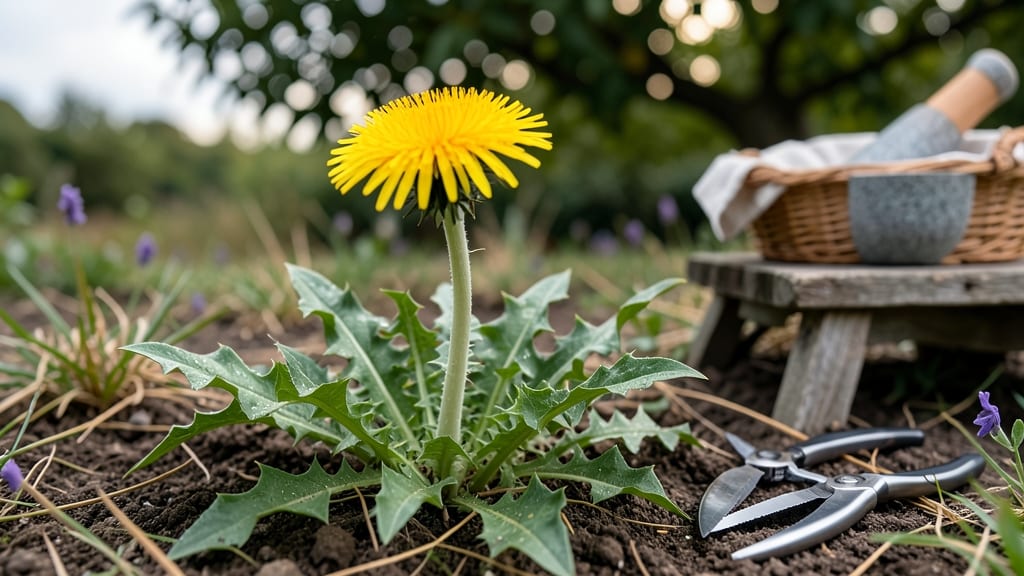
Harvest dandelions before they bloom for the most vibrant tea. 🌱 The first flush of leaves in early spring delivers that bright, slightly bitter flavor—perfect for sunny afternoons.
I’ve been making dandelion tea for years, and the key is timing: pick young leaves when the plant is still low to the ground and tender.
You’ll need a sharp pair of scissors or clean hands, a basket or cloth bag, and a sunny spot for drying. Avoid roadsides or chemically treated lawns—dandelions thrive in clean, open spaces.
Once harvested, rinse the leaves gently and pat them dry before laying them out to dry completely in the sun or a low-heat dehydrator.
The result is a golden, earthy tea that’s caffeine-free but packed with vitamins. Steep 1-2 teaspoons of dried leaves in hot water for 5-10 minutes, and you’ll taste that fresh, slightly tart brightness. It’s a simple way to turn weeds into a daily ritual—no fancy equipment needed.
For best flavor, harvest leaves in early spring and flowers in late spring to early summer. Store dried leaves in an airtight container away from light, and you’ll have a fresh supply ready whenever you crave a cup of sunshine in a mug.
📚 In This Guide
- What you need
- Instructions
- Tips and common mistakes
- Wrapping up and next steps
What you need
- ● Fresh dandelion leaves & flowers: Harvest only organic or pesticide-free dandelions from uncontaminated areas (like your yard, park, or farm). Aim for 1–2 cups of leaves or ¼ cup of flowers per 1 quart of water for a standard tea batch.
- ● Pruning shears or sharp scissors: A pair with clean, sterilized blades (alcohol wipe works!) to avoid damaging plants or spreading disease.
- ● A large bowl or basket: For collecting your harvest—opt for a sturdy, breathable container (like a woven basket) to keep leaves fresh.
- ● Water: Filtered or spring water (1 quart per batch) for the best flavor and to avoid impurities.
- ● A large pot or kettle: Made of stainless steel or enamel-coated metal (avoid aluminum, which can react with acidic dandelion compounds).
- ● Fine-mesh strainer or cheesecloth: To strain out leaves and flowers—stainless steel or food-grade nylon is ideal.
- ○ Tea infuser or strainer (optional but handy): A metal or silicone infuser for loose-leaf tea lovers.
- ● Gloves: Lightweight gardening gloves to protect your hands from sap or prickly stems.
- ● Labeling tags: If drying leaves for later use, label them with the harvest date (they keep for up to 6 months!).
- ● Honey or lemon: For sweetening or enhancing flavor in your finished tea.
- ● Drying rack or paper towels: If you plan to air-dry leaves for storage.
Step-by-Step instructions for harvesting dandelions for tea
Here's how to gather the brightest, most flavorful dandelion leaves for a refreshing cup of earthy tea.
🌱 Step 1: Identify and Select Young Leaves
Look for dandelions with bright green, tender leaves—these are the most flavorful for tea. Avoid plants near heavily trafficked areas or sprayed with pesticides. I always check the underside of leaves for tiny yellow flowers, which means the leaves are past their prime. The younger the leaf, the milder and sweeter the flavor.
Harvest leaves in the morning after the dew has dried but before the sun gets too intense. This ensures the highest concentration of beneficial compounds. I like to pick the outer leaves first, leaving the inner rosette intact so the plant keeps growing. Use clean, sharp scissors or just pinch the leaves off by hand—no need for fancy tools.
🌿 Step 2: Clean and Prepare the Leaves
Rinse the leaves under cool water to remove dirt and any lingering dew. Gently shake them dry or pat with a clean kitchen towel. You want the leaves to be damp but not dripping—excess moisture will make your tea bitter. I spread them out on a clean towel to air-dry for about 10-15 minutes while I prep the rest.
Remove any tough stems or damaged parts—only the tender leaf blades go into your tea. If you're harvesting flowers for tea too, pick them when fully open and dry them separately. The flowers add a delicate, honey-like sweetness that pairs beautifully with the leaves.
☀️ Step 3: Dry the Leaves Properly
Drying preserves the flavor and prevents mold. I use a dehydrator set to 95°F for 2-3 hours, or lay the leaves on a baking sheet in a warm, dry place out of direct sunlight. You'll know they're dry when they're crisp and crumble slightly between your fingers. Store them in an airtight container away from light.
If you're short on time, you can use fresh leaves right away—just steep them for 5-7 minutes in hot water. For dried leaves, steep 1-2 teaspoons per cup of water for 8-10 minutes. The longer you steep, the stronger (and slightly bitter) the tea becomes.
💧 Step 4: Brew and Enjoy Your Tea
Bring water to a boil and pour it over your prepared leaves in a teapot or cup. Cover and let it steep—you'll smell the earthy, slightly nutty aroma filling the air. Strain the leaves and taste! If it's too strong, add a splash of cold water or honey to balance it. I like to sip mine slowly, savoring the bright, grassy notes.
For extra flavor, try adding a slice of lemon or a dash of cinnamon. Dandelion tea is naturally caffeine-free, so it's perfect for any time of day. Store brewed tea in the fridge for up to 3 days if you want to enjoy it later.
Tips & tricks for perfect dandelion tea harvesting
Took me a while to figure these out, so here goes—these tricks will help you gather the most flavorful dandelion leaves every time.
Timing Secret: The morning after dew dries is non-negotiable for the best flavor. I've tried harvesting later in the day, and the leaves always taste more bitter. If you absolutely must harvest later, wait until at least 2 hours after dew has evaporated—this gives the leaves time to recover from morning moisture. The 10-15 minute air-dry time in Step 2 is crucial too—this prevents excess moisture that makes your tea taste harsh.
Selection Tip: Don't just grab any leaves! Look for the youngest, most tender outer leaves—they're the sweetest and most delicate. I've learned the hard way that leaves with even the tiniest yellow buds on the underside will make your tea bitter. Pro tip: Run your fingers along the leaf veins—if they feel tough, skip it. The leaves should be soft enough to tear easily between your fingers, like fresh spinach.
Drying Wisdom: That 95°F dehydrator setting in Step 3 is perfect for preserving flavor without cooking the leaves. If you don't have a dehydrator, a warm, dark pantry works well—just avoid direct sunlight which can make leaves taste flat. The crisp, crumbly test is foolproof: when leaves feel dry enough to crumble slightly between your fingers, they're ready. Store them in a glass jar with a tight lid to keep them fresh for months.
Pro Tips for Harvest Dandelions For Tea
- Took me a while to figure these out, so here goes—these tricks will help you gather the most flavorful dandelion leaves every time.
- Timing Secret: The morning after dew dries is non-negotiable for the best flavor.
- Selection Tip: Don't just grab any leaves!
Frequently asked questions
Got questions about turning those bright yellow blooms into golden tea? Here are answers to the most common ones—so you can harvest with confidence!
When is the best time to pick dandelions for tea?
Harvest dandelion leaves in early spring (before flowering) for the mildest, most tender flavor. For roots (used in roasted tea), dig them up in late summer or fall after the flowers have bloomed. Always pick on a dry, sunny morning for the freshest taste!
Can I use dandelions from my lawn or do I need organic ones?
Yes! Dandelions from pesticide-free lawns or wild areas work fine—but avoid roadsides or chemically treated grass. If you’re unsure, give leaves a quick rinse to remove dirt or debris. Pro tip: Choose younger leaves for a sweeter, less bitter brew.
How do I store harvested dandelion leaves for tea?
Store fresh leaves in an airtight container in the fridge for up to 5 days or freeze them for longer shelf life (up to 3 months). For drying: Tie leaves in small bundles and hang upside down in a dark, dry place for 1–2 weeks. Once crispy, store in jars away from light.
What if my dandelion tea tastes bitter?
Bitter flavor usually means the leaves were too old or oversteeped. Try these fixes:
- Use younger leaves (closer to the base).
- Steep for 3–5 minutes max (longer = stronger bitterness).
- Add a sweetener (honey or maple syrup) or citrus to balance.
- Try blending with mint or chamomile.
Are there non-edible lookalikes I should avoid?
Dandelions are generally safe, but avoid plants with milky sap (like milk thistle) or toxic mushrooms growing nearby. Stick to the classic bright yellow dandelion (Taraxacum officinale) with serrated leaves. When in doubt, consult a local foraging guide!
Wrapping up and next steps
Harvesting dandelions for tea is a simple, rewarding way to enjoy nature’s bounty—and you’re now equipped with all the know-how! 🌼 From identifying the right leaves to brewing a cup of sunshine, every step connects you closer to the earth. Why not share this skill with a friend or experiment with flavors? Next, try making a small batch and savor the earthy, slightly bitter notes—you’ll be amazed at how good homemade herbal tea can taste!
Ready to brew? Grab your basket and get started—your first cup of dandelion tea is just a harvest away! ☕