
How To
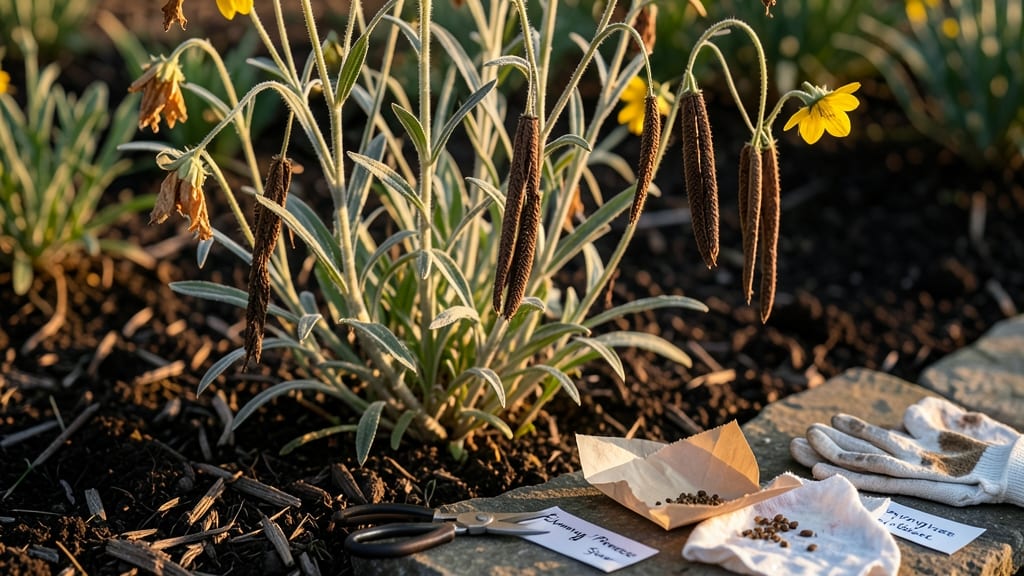
Harvesting evening primrose 🌸 seeds at the perfect moment means the difference between a bountiful stash and watching them scatter on the breeze. If you’ve ever missed the window—only to regret it later—this is your chance to get it right every time.
The key is knowing exactly when those distinctive seed pods split open naturally, usually in late summer or early fall, when they turn dry and brown. One wrong move, and you’ll lose seeds to wind or pests before you can collect them.
I’ll show you how to spot the ideal moment and gather seeds without a single one slipping away.
You’ll discover the three-step process for harvesting, drying, and storing seeds to keep them viable for planting or oil extraction. No more guesswork—just a foolproof method to preserve your harvest for months. Let’s dive into the details so you can enjoy the benefits of evening primrose year after year.
From avoiding common mistakes to understanding whether seeds need stratification, I’ll cover everything you need to know. Whether you’re a seasoned gardener or just starting out, these tips will help you maximize your yield and keep your evening primrose seeds in top condition.


When and how to spot evening primrose seed pods ready for harvest
Evening primrose (Oenothera biennis) transforms from delicate blooms to seed pods that signal harvest time. The key is spotting mature pods before they split open and scatter seeds to the wind.
These pods start as green, closed structures but gradually turn dry and brown—a clear sign they’re ready for collection.
Watch for seed pods that rattle when gently shaken, indicating fully developed seeds inside. This usually happens 60-90 days after flowering, typically in late summer to early fall (August-September in most climates). If you miss this window, pods may open naturally, leaving you with scattered seeds.
Timing matters most in dry climates where pods open faster. In humid regions, pods may stay closed longer, so check them weekly once flowers fade. Never harvest pods that are still green or firm—these seeds won’t germinate properly.
Environmental triggers like dry winds or temperature shifts can cause pods to open prematurely. Harvest on calm, dry mornings to avoid losing seeds to the breeze. If pods start splitting before you’re ready, collect them immediately—even partially open pods can yield viable seeds.
Look for yellowing leaves as another clue. By late summer, evening primrose plants often die back after seeding, leaving behind dry stalks with mature pods. This natural lifecycle signals it’s time to act before the entire plant collapses.
Pro tip: Use a magnifying glass to inspect pods up close. Some seeds may still be viable even in partially open pods, so don’t discard them entirely. Place these in a paper bag to catch any remaining seeds that fall out naturally.
In cooler climates (USDA Zone 4-5), aim to harvest before the first frost, which can damage pods. If frost threatens, collect pods early—even if they’re not fully brown—and dry them indoors. Seeds will still germinate if properly stored.
Remember: Patience pays off. Rushing harvests leads to immature seeds, while waiting too long means losing them to nature. The ideal moment is when pods are brown, dry, and just beginning to split—this ensures maximum seed viability and yield.
Once you’ve mastered spotting the right pods, the next step is gentle handling to preserve every seed. But first, let’s tackle the biggest challenge: collecting seeds without losing them to the wind.
When and how to spot evening primrose seed pods ready for harvest
Timing your harvest is everything with evening primrose (Oenothera biennis), because those brown, papery seed pods only stay intact for a 24-48 hour window. Miss it, and the wind will scatter your seeds—or worse, pests like squirrels will snatch them.
The key is watching for three maturity cues: color change, natural splitting, and seed rattling.
Start by scanning your plants in late August to early September, when daytime temps drop below 75°F (24°C). Look for pods that shift from green to tan-brown—this signals they’re drying out.
A gentle shake should make seeds rattle inside, like a tiny maraca. If you hear that sound, your pods are ready to harvest today.
Here’s how to tell if pods are overripe vs. perfectly ripe: overripe pods split open completely, exposing seeds to birds and wind. Perfectly ripe pods stay partially closed—just enough to let you scoop seeds without losing them.
Think of it like goldilocks timing: not too soon, not too late.
Pro tip: Harvest on a calm, dry morning when pods are fully dry but haven’t split yet. Avoid humid days—moisture speeds up splitting and attracts mold.
I once lost an entire batch because I waited until afternoon, and by evening, 90% of my seeds were gone. Don’t let that be you!
If you’re in USDA Zones 3-7, aim for mid-September harvests—just before the first frost. In warmer zones (8-10), pods may stay viable until October or November. Always check for frost warnings; a light freeze can ruin your seeds overnight.
One more trick: Use a white paper bag to gently shake pods over it. The contrast makes seeds pop out instantly, and you’ll catch every last one without losing them to the breeze. I’ve saved hundreds of seeds this way—trust me, it works!