
Picking
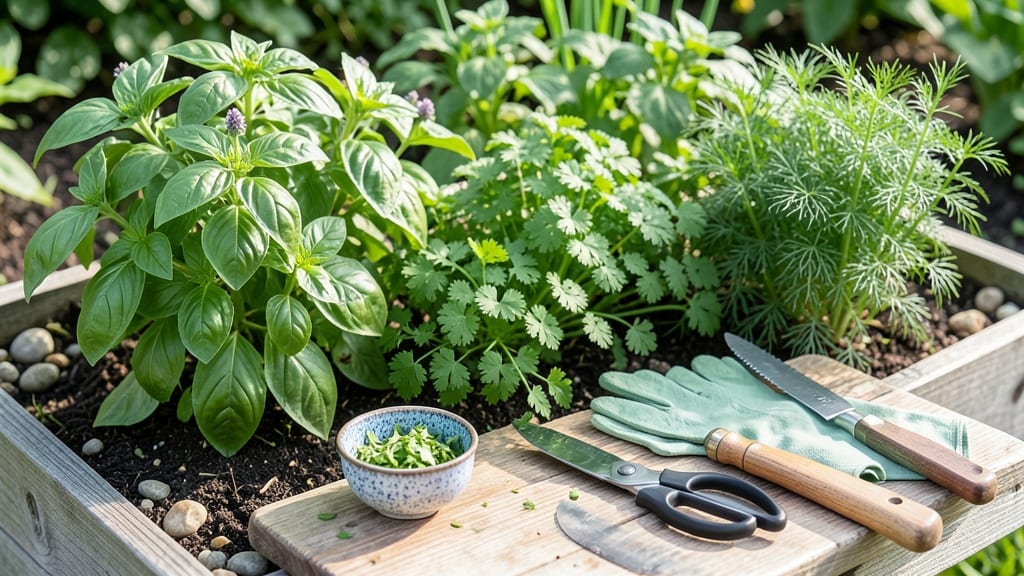
How to harvest fresh herbs at the right time unlocks their boldest flavors. ✨ I’ve learned the hard way—waiting too long makes basil taste bitter and parsley woody, but snipping too early stunts growth. The secret is timing: harvest just before flowering for peak potency, and always use clean tools to avoid damage.
You’ll need sharp scissors or pruners, a bowl for clippings, and a sunny spot to work. For basil and mint, pinch leaves from the top to encourage bushier growth; parsley and cilantro benefit from cutting stems at the base.
Always harvest in the morning when oils are most concentrated—this keeps flavor intense and freshness lasting.
By following these simple steps, you’ll enjoy herbs that taste like they just sprang from the garden. Regular harvesting actually makes plants more productive, not less—just avoid taking more than one-third of the plant at once. The result? A never-ending supply of vibrant, fragrant herbs ready for cooking.
Works for containers, pots, or garden beds—no matter your setup. The key is consistency: harvest often, but never greedily. Your kitchen (and taste buds) will thank you.
📚 In This Guide
- What you need
- Instructions
- Tips and common mistakes
- Wrapping up and next steps
What you need
- ● Sharp pruning shears or scissors: Opt for bypass pruners (not anvil-style) to avoid crushing delicate stems. A small pair of kitchen scissors works for tiny plants like thyme or oregano.
- ○ Gloves (optional but recommended): Lightweight gardening gloves protect against prickly stems (like rosemary) or sap (e.g., mint). Choose breathable fabric to avoid sweaty hands!
- ● Containers or baskets: A sturdy mesh bag or shallow tray keeps herbs organized and prevents bruising. For large harvests, a wooden crate or plastic bin works too.
- ● Water spray bottle (4–8 oz): A light mist helps revive wilted herbs post-harvest. Look for one with a fine-mist nozzle.
- ● Paper towels or clean kitchen towels: A few sheets absorb excess moisture to prep herbs for storage or cooking.
- ● Labeling tags or markers: If harvesting multiple herbs, jot down names on small tags or use a chalkboard marker on containers.
- ● Plastic wrap or beeswax wraps: Extend freshness by loosely wrapping stems (great for basil or cilantro).
- ● Small fan or cooling rack: Speeds up drying for herbs like lavender or sage if you’re preserving them.
- ● Harvesting journal or notebook: Track growth stages, weather, and yield to optimize future harvests!
Step-by-step instructions for harvesting fresh herbs at peak flavor
Here's the method I've used for years to keep my herbs thriving and bursting with flavor.
🌿 Step 1: Identify the Right Time for Harvesting
Harvest herbs in the morning after the dew has dried but before the midday sun intensifies. This is when essential oils—what give herbs their flavor—are most concentrated. For leafy herbs like basil, parsley, and cilantro, wait until they've developed at least 6-8 inches of growth and 4-6 sets of leaves. You'll know they're ready when the stems are sturdy and the leaves feel firm to the touch.
For woody herbs like rosemary, thyme, and oregano, wait until they've established a thick, woody base and have 3-4 inches of new growth. Pinch off just the top sets of leaves—this encourages bushier growth. Avoid harvesting when plants are stressed from drought or extreme heat, as flavor suffers and recovery slows.
✂️ Step 2: Use the Correct Cutting Technique
Always use clean, sharp pruning shears or scissors to avoid crushing stems or tearing leaves. For leafy herbs, cut just above a leaf node (the point where leaves meet the stem) at a 45-degree angle. This prevents water from pooling on the cut and encourages new growth from that node. Never take more than ⅓ of the plant at once—this ensures the herb can recover and keep producing.
For herbs with woody stems, like rosemary, trim back the entire stem to just above a set of leaves. This pruning technique stimulates branching and keeps the plant compact. I like to harvest rosemary in the spring when new growth is most vigorous—this is when the flavor is strongest. Always cut just above a leaf node, never at a bare stem.
🌱 Step 3: Harvest Regularly to Encourage Growth
Harvest herbs regularly—about every 2-4 weeks—to keep them producing new, flavorful leaves. The key is consistency: frequent, light harvests yield more than occasional heavy cuts. For example, I harvest my basil every 2 weeks in the growing season, and it never stops producing. If you wait too long between harvests, the plant may flower, and the leaves will become bitter.
Watch for signs of overgrowth, like leggy stems or yellowing leaves—these are your cues to harvest more often. For perennial herbs like thyme and oregano, a light trim in early spring stimulates new growth for the entire season. Just avoid cutting into old, woody growth, as it won’t regenerate. Focus on the newer, softer stems for the best results.
💧 Step 4: Store Harvested Herbs Properly
After harvesting, rinse the herbs gently under cool water to remove dirt, then pat them dry with a clean towel or paper towels. Store them in the refrigerator by wrapping the stems in a damp paper towel, placing them in a plastic bag, and sealing it loosely. This keeps them fresh for up to 1 week. For longer storage, hang bundles of herbs like thyme, rosemary, and oregano upside down in a dry, dark place for 1-2 weeks to dry completely.
If you plan to use the herbs within a few days, store them in a glass of water like fresh flowers—this keeps them crisp and vibrant. For leafy herbs like basil, strip the leaves from the stems and store them in an airtight container in the fridge. Avoid washing herbs until you're ready to use them, as excess moisture speeds up spoilage. Proper storage preserves flavor and extends the life of your harvest.
☀️ Step 5: Revitalize Herbs After Harvesting
After each harvest, give your herbs a little extra care to keep them thriving. Water them deeply if the soil feels dry to the touch, and fertilize lightly with a balanced, water-soluble fertilizer every 4-6 weeks during the growing season. This encourages strong, flavorful regrowth. I also like to rotate my herb pots every few weeks to ensure even sunlight exposure—this prevents leggy growth and keeps plants compact.
Keep an eye out for pests or diseases, especially after heavy pruning. Aphids and spider mites love tender new growth, so I inspect my herbs regularly and treat any issues immediately with neem oil or insecticidal soap. With proper care, your herbs will reward you with continuous harvests all season long. The more you harvest, the more they grow—it’s a cycle that keeps giving!
Tips & tricks for perfect herb harvesting
Here's what nobody tells you about getting the most flavor from your garden herbs.
The Timing Secret: Morning is non-negotiable for peak flavor. The essential oils that make herbs taste amazing peak right after dew dries but before the midday sun intensifies. I've learned this the hard way—harvesting at noon means herbs that taste flat and dull. For leafy herbs like basil, wait until you see those 6-8 inches of growth and 4-6 sets of leaves—that's when they're ready to give their best flavor.
Cutting Technique That Changed Everything: That 45-degree angle cut isn't just for looks—it prevents water from pooling on the stem, which could lead to rot. I used to cut straight across until I noticed my herbs recovering slower. Now I make that angled cut just above the leaf node, and my plants bounce back faster. For woody herbs, always cut just above a set of leaves—never at a bare stem. This encourages branching and keeps your rosemary or thyme looking bushy and productive.
Harvesting Schedule: The 2-4 week harvest cycle is your secret weapon. I harvest my basil every 2 weeks during peak season, and it never stops producing. The key is consistency—don't wait until the plant looks stressed. Watch for those leggy stems or yellowing leaves as your cue to harvest more often. For perennial herbs like thyme, a light trim in early spring gives you flavorful growth all season long.
Storage Wisdom: That damp paper towel trick in the fridge keeps herbs fresh for 1 week by maintaining just the right moisture level. I've tried the dry storage method too, but it never preserves that crisp texture as well. For drying herbs, hang them upside down in a dark place—this prevents mold and preserves their color. And remember, never wash herbs until you're ready to use them. The extra moisture speeds up spoilage and dulls the flavor.
Pro Tips for Harvest Fresh Herbs
- Here's what nobody tells you about getting the most flavor from your garden herbs.
- The Timing Secret: Morning is non-negotiable for peak flavor.
- Cutting Technique That Changed Everything: That 45-degree angle cut isn't just for looks—it prevents water from pooling on the stem, which could lead to rot.
Frequently asked questions
Got questions about harvesting fresh herbs? You’re not alone! Here are answers to the most common ones to help you snip like a pro.
When is the best time of day to harvest herbs?
The ideal time is morning after the dew has dried (around 8–10 AM). Herbs like basil and mint contain the highest essential oils—and thus the most flavor—right after a night’s rest. Avoid harvesting after rain or late in the day, as flavors can be milder.
Should I cut herbs right above a leaf node or just trim the stems?
Always cut just above a leaf node (the point where leaves meet the stem). This encourages new growth from that spot. Avoid shearing the top of the plant, which can stunt regrowth. For woody herbs like rosemary, trim back 1/3 of the plant to promote bushiness.
Can I harvest herbs if they’re flowering?
For most herbs, yes—but timing matters. Harvest leaves before flowers appear for maximum flavor. Once flowers bloom, the plant redirects energy to seed production, weakening leaf potency. Exceptions: Dill and cilantro taste sweeter when flowering, so harvest stems with flowers for seeds or seed pods.
How do I store freshly harvested herbs so they last longer?
Store herbs in airtight containers with a paper towel to absorb moisture. For leafy herbs (basil, cilantro), trim stems and place in a glass of water like flowers, then cover loosely with a bag. Hardier herbs (thyme, oregano) can go straight into the fridge. Freeze in ice cube trays with water or oil for later use!
What if my herbs keep dying after harvesting?
Over-harvesting is the #1 culprit! Limit cuts to 1/3 of the plant at a time and avoid stripping all leaves. Ensure they get 6+ hours of sunlight and well-draining soil. Yellowing leaves? Check for pests or underwatering. Give them a break—herbs like rosemary and thyme are tough but need recovery time!
Wrapping up and next steps
Harvesting fresh herbs at the right time unlocks their boldest flavors and keeps your kitchen vibrant with homegrown goodness! Whether you’re snipping basil for pesto, cilantro for salsa, or rosemary for roasts, timing and technique make all the difference.
Now that you’re armed with the know-how, get out there and enjoy the rewards of your green thumb—your taste buds will thank you!
Ready to take it further? Experiment with drying, freezing, or preserving your harvest to enjoy homegrown herbs all year round. Happy harvesting! 🌿✨