
How To
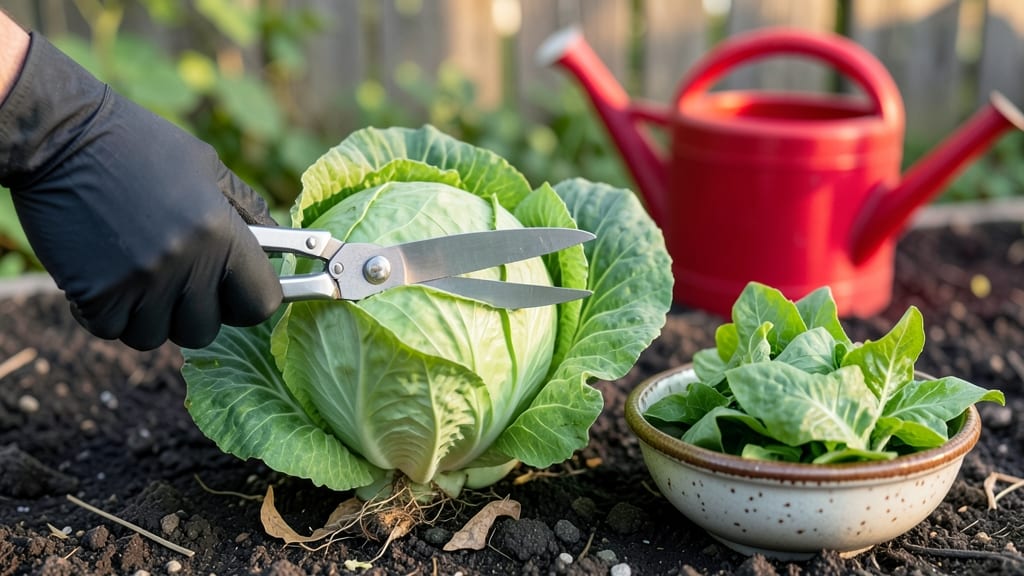
Step-by-step guide to outer-leaf harvesting for continuous iceberg lettuce growth
Iceberg lettuce thrives when you use the outer-leaf harvesting method, which allows the plant to regenerate new leaves while keeping it healthy. The key is to remove only the outer 1/3 of leaves at a time, leaving the inner leaves intact to continue growing.
This technique ensures your lettuce plant stays productive for weeks or even months with minimal effort.
Before you begin, gather your tools: a sharp pair of scissors or pruning shears (to avoid tearing leaves) and a clean bowl or container to collect your harvest. Work on a cool, overcast day or in the early morning when leaves are crisp and hydrated, not wilted from heat.
This timing reduces stress on the plant and ensures a fresher harvest.
🌱
- 1 Identify mature outer leaves: Look for leaves that are 4-6 inches long and fully deep green in color. These are ready for harvest.
- 2 Use clean scissors: Hold the leaf firmly and cut it 1/2 inch above the base at a 45-degree angle. This prevents water from pooling on the cut stem.
- 3 Remove only outer leaves: Never harvest more than 1/3 of the plant at once. Leave the inner leaves and core intact to keep the plant producing.
- 4 Store harvested leaves properly: Place leaves in a plastic bag with a paper towel to absorb moisture. Store in the crisper drawer of your fridge for up to 1 week.
- 5 Post-harvest care: Water the plant deeply after harvesting to replenish moisture. Apply a light nitrogen fertilizer (like 5-10-10) every 4-6 weeks to encourage new leaf growth.
After harvesting, monitor your iceberg lettuce for signs of regrowth within 7-10 days. New leaves should emerge from the center, and the plant will continue producing for several weeks if cared for properly.
If you notice yellowing leaves or slow growth, it may be time to adjust your watering or fertilizing routine.
For container-grown iceberg lettuce, follow the same steps but be extra cautious not to overcrowd the plant. If your lettuce is in a small pot (under 12 inches wide), harvest even more sparingly—only remove 1-2 outer leaves at a time to avoid stressing the plant.
In hot climates (USDA Zones 8-10), iceberg lettuce may bolt (go to seed) if exposed to temperatures above 80°F (27°C). To prevent this, provide afternoon shade using a lightweight shade cloth (30-50%) or grow your lettuce in a cool, shaded spot like under a tree.
🌿
One common misconception is that you should harvest iceberg lettuce by cutting the entire head at once. While this gives you a single large harvest, it stops further growth and wastes the potential for multiple yields.
By using the outer-leaf method, you’re essentially giving your lettuce a haircut—just enough to keep it looking neat while encouraging new growth.
If your iceberg lettuce starts to taste bitter or develop loose leaves, it’s a sign of heat stress or bolting. To revive it, move the plant to a cooler location and increase watering frequency. You can also trim back any flower stalks to redirect energy into leaf production.
When and how often to harvest iceberg lettuce for maximum yield
Timing your harvests is just as important as how you trim your iceberg lettuce. Harvesting too early or too late can stunt growth or reduce quality. For continuous regrowth, aim to harvest when outer leaves reach 4-6 inches in length.
This ensures the plant has enough energy to produce new leaves while still providing you with fresh, crisp lettuce.
In spring plantings, start harvesting about 60-70 days after sowing. For fall plantings, wait until 50-60 days—cooler temperatures slow growth slightly. Always check for deep green color and firm texture before cutting. These are clear signs the leaves are ready for harvest.
📅 Harvest Schedule for Iceberg Lettuce
| Season | Optimal Harvest Time | Frequency | Notes |
|---|---|---|---|
| Spring | 60-70 days after sowing | Every 7-10 days | Harvest outer leaves first to avoid bolting |
| Fall | 50-60 days after sowing | Every 5-7 days | Cooler temps speed up regrowth |
| Summer (if planted) | Avoid harvesting | N/A | Heat stress causes bolting; focus on shade |
Harvesting too frequently can weaken your plant, while harvesting too infrequently may lead to bitter taste or bolting. Aim for a balance: in spring and fall, harvest every 7-10 days. In fall, you can harvest more frequently—every 5-7 days—because cooler temperatures accelerate regrowth.
Always use clean, sharp scissors or pruning shears to avoid damaging the plant. Cut leaves at a 45-degree angle, about 1/4 inch above a leaf node. This angle helps water run off and prevents rot.
After harvesting, rinse the leaves gently and store them in a plastic bag with a paper towel to keep them crisp for up to 5 days in the fridge.
If your iceberg lettuce starts to bolt (send up a flower stalk), it’s a sign it’s time to harvest the entire head. Bolting usually happens when days get longer or temperatures rise.
To prevent this, always harvest outer leaves regularly and avoid letting the plant get heat-stressed. Mulching with straw or grass clippings can help keep roots cool during hot spells.
By following this schedule and paying attention to your plant’s signals, you’ll enjoy a nonstop supply of crisp, fresh iceberg lettuce all season long. The key is consistency—harvest often enough to keep the plant productive, but not so often that it struggles to recover.
With practice, you’ll find the perfect rhythm for your climate and growing conditions. 🥬