
How To
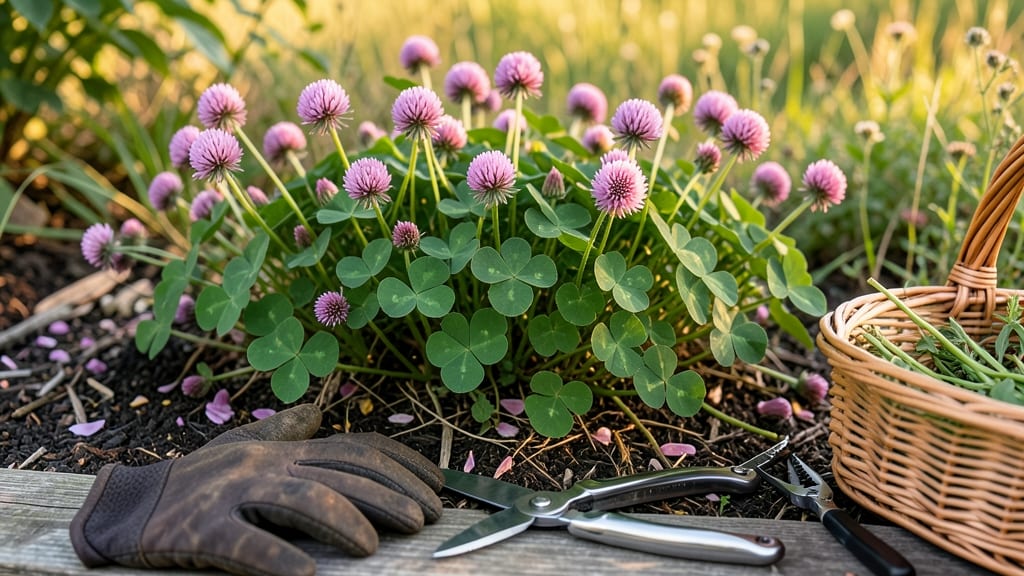
Harvesting red clover at the right time can mean the difference between a bountiful yield and wasted effort. Whether you're saving seeds, drying flowers, or collecting fresh foliage, knowing when and how to harvest is the key to maximizing your garden's potential.
This vibrant 🌸 plant thrives in USDA Zone 6a and reaches its peak harvest window between June and September, but timing matters more than you might think.
Miss the optimal moment, and you could end up with seeds that won't germinate or flowers that lose their vibrant color too quickly.
I've learned the hard way that harvesting too early or too late can ruin your hard work. That's why I'm sharing the exact techniques I use to ensure every harvest is perfect—from recognizing when flowers are fully open to collecting seeds at their ripest stage.
Ready to transform your red clover harvest from good to great? Let's dive into the best practices that will help you get the most out of your plants, no matter what you're harvesting.


When to harvest red clover for maximum yield: seasonal timing guide
Timing is everything when harvesting red clover—whether you're collecting seeds, drying flowers, or harvesting fresh foliage. Miss the window, and you risk poor quality or wasted effort.
The best harvest periods align with the plant's natural growth cycle, typically spanning from late spring to early fall, with peak yields in June through August.
For flower harvests, aim for mid-morning on dry, sunny days when blooms are fully open but haven’t started browning. This ensures vibrant color and maximum potency. If you're saving seeds, wait until the seed heads turn golden-brown and begin cracking open naturally—usually late summer to early fall.
Foliage harvests are less time-sensitive but still benefit from timing. Young leaves in early summer are tender and ideal for fresh use, while mature leaves later in the season work well for drying or composting. Avoid harvesting during rain or high humidity, as moisture can accelerate spoilage.
Here’s a quick seasonal breakdown to help you plan:
| Harvest Type | Optimal Time | Key Signs | Avoid |
|---|---|---|---|
| Flowers | June–August (peak bloom) | Fully open, vibrant red petals 🌸 | Overripe or wilting blooms |
| Seeds | Late August–September | Golden-brown seed pods 🌾 | Green or unripe pods |
| Foliage | Early summer (young leaves) | Bright green, firm stems 🌿 | Leggy or yellowing leaves |
One common mistake is harvesting red clover too early. Flowers picked before they’re fully open won’t dry properly, and seeds collected too soon won’t mature. Always check for deep red petals (for flowers) or brown seed pods (for seeds) before cutting.
This ensures the highest quality for drying, foraging, or medicinal use.
If you’re in a cooler climate (USDA zones 3–5), extend your harvest window by starting indoors or using row covers to protect plants from early frost. In warmer zones (7–10), you may see multiple harvest cycles per year, especially if you’re growing perennial varieties.
Pro tip: Mark your calendar for the first frost date in your area. Red clover typically bolts (goes to seed) before frost, so plan to harvest seeds at least 4–6 weeks before the first expected frost. This gives you time to collect and dry seeds indoors if needed.
For medicinal or culinary uses, prioritize organic-certified or pest-free plants. Inspect your clover for signs of aphids or rust fungus before harvesting. If pests are present, treat the plant first or harvest from a different area of your garden.
Finally, don’t overlook the moon phases if you’re harvesting for drying. A waning moon is traditionally believed to enhance drying success, though this is more folklore than science—focus first on weather and plant maturity.
Step-by-step red clover harvesting techniques by use (seeds vs. flowers vs. foliage)
Harvesting red clover successfully depends on your goal—whether you're collecting seeds, drying flowers, or harvesting fresh foliage for pollinators. Each method requires a slightly different approach to ensure quality and yield.
Let’s break down the best techniques for each use, including the right tools and timing to avoid waste.
For flower harvests, timing is everything. You’ll want to pick individual blooms when they’re fully open but before they start to brown. This ensures vibrant color and maximum potency for drying or fresh use.
Use clean, sharp pruning shears or your fingers to gently twist off the flowers at the base of the stem to avoid damaging the plant.
🌸 Step-by-Step Harvesting Guide
- 📅 Timing: Harvest flowers in late morning after dew has dried but before midday heat to preserve moisture and color.
- ✂️ Tools: Use clean pruners or garden shears for stems, or gently twist flowers by hand for individual blooms.
- 🌿 Method:
- For drying: Cut stems at a 45-degree angle and bundle with rubber bands.
- For fresh use: Pick individual flowers and store in a paper bag in the fridge.
- 🌾 Seed Harvest: Wait until seed pods turn brown and begin to crack open. Collect pods in a mesh bag and dry indoors for 1-2 weeks.
- 🌱 Foliage Harvest: Snip leaves in early spring or fall when plants are 12-18 inches tall for forage or compost.
When harvesting for seeds, patience is key. Wait until the seed heads turn brown and the pods begin to split open naturally. This usually happens in late summer to early fall, depending on your climate.
Use a mesh bag or paper sack to collect the seeds and dry them in a well-ventilated area for 1-2 weeks to prevent mold. Store seeds in a cool, dry place for up to 2 years.
If you’re harvesting fresh foliage for pollinators or compost, aim for early spring or fall when the plants are young and tender. Cut the stems just above the soil line to encourage regrowth.
Avoid harvesting during wet conditions, as this can lead to fungal issues or damage the plant structure.
Always
With these techniques, you’ll maximize your red clover harvest while keeping your plants healthy and productive for years to come. Happy harvesting! 🌿