
How To
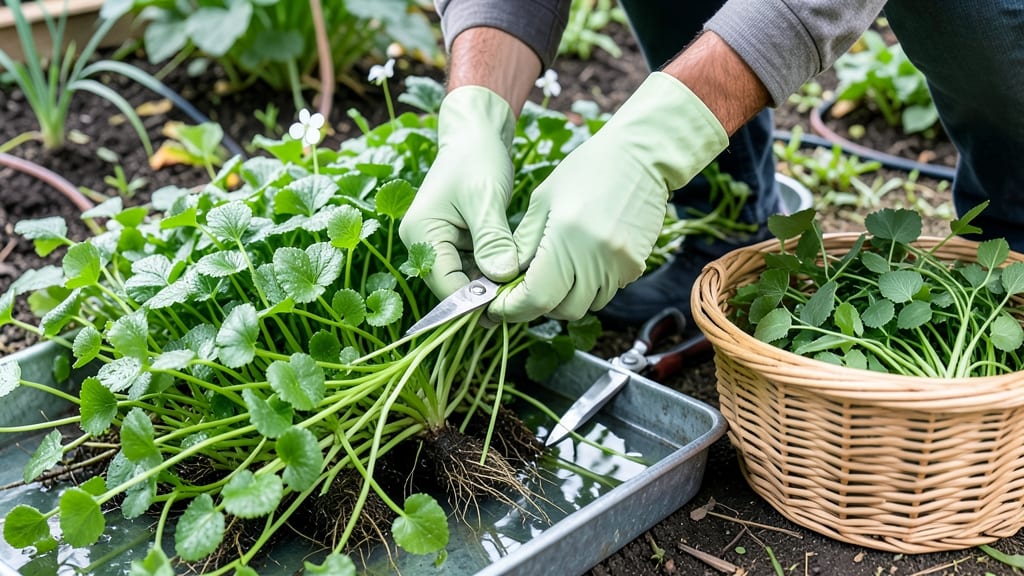
Mastering how to harvest watercress is your ticket to a never-ending supply of this peppery, nutrient-packed green—if you time it right. Watercress 🌿 thrives when you cut it young, but one wrong move can turn your harvest into a bitter disappointment or even stunt future growth.
Picture this: you’re reaching for your freshest greens, only to find the leaves tough and woody instead of tender. That’s a classic sign you waited too long—or worse, harvested too aggressively.
The secret lies in knowing when to pick (before flowering!) and how to do it (cut, don’t pull!) to keep your plants happy and productive.
In this guide, I’ll walk you through the exact steps to harvest watercress at its peak—3-4 inches tall, bright green, and packed with flavor—while ensuring your plants bounce back stronger than ever.
Whether you’re a seasoned gardener or a curious beginner, these tricks will transform your harvest from hit-or-miss to consistently delicious.
Ready to turn your watercress patch into a year-round superfood source? Let’s dive into the timing, techniques, and care tips that’ll keep your greens thriving from May to October (or beyond in mild climates).


When to harvest watercress for maximum flavor and nutrients
Timing your watercress harvest is everything—pick too early, and you’ll get tiny, bitter leaves. Wait too long, and the flavor fades while stems toughen. The ideal harvest window is when leaves reach 3-4 inches long with a bright green hue and soft texture.
This usually happens 45-60 days after planting, but cooler weather slows growth.
Spring and fall harvests deliver the sweetest, most tender watercress. In spring, aim for early May when temperatures hover around 50-65°F. For fall harvests, late August through September works best before the first frost. Avoid harvesting in peak summer heat, as this triggers bitterness and stress.
Visual cues are your best guide. Look for no flowering stems—once watercress bolts, the leaves turn tough and peppery. Also, check the stem thickness: if it’s thicker than a pencil, it’s past prime. The leaf edges should be smooth, not jagged or curled, which signals stress.
Seasonal variations matter too. In cooler months, watercress grows slower, so harvest every 2-3 weeks to avoid overgrowth. During mild winters (zones 7-10), you can harvest year-round, but reduce frequency to once a month to let the plant recover.
🌱 Watercress Harvest Readiness Check
| Stage | Leaf Size | Flavor Profile | Harvest Tip |
|---|---|---|---|
| Early Growth | Under 2" | Bitter, tough | Wait 2-3 weeks |
| Prime Harvest | 3-4" | Sweet, peppery | Harvest outer leaves |
| Overgrown | 5"+ | Woody, bland | Trim stems back |
| Flowering | Any size | Bitter, tough | Remove flowers ASAP |
Morning is the best time to harvest—leaves are crispest and packed with nutrients after a night’s rest. Avoid harvesting after noon, as heat stress can make leaves wilt faster.
If you’re growing watercress in shallow water, check for algae buildup before harvesting; clean the container first to prevent contamination.
Pro tip: Harvest outer leaves first to encourage bushier regrowth. Use clean, sharp scissors to snip leaves at the base, leaving the inner rosette intact. This method mimics natural pruning and keeps your watercress productive for months instead of just a few weeks.
Nutrient levels peak when watercress is young and tender. Older leaves contain more vitamin K and calcium, but younger growth has higher vitamin C and antioxidants. For a balanced harvest, mix both sizes—use young leaves for salads and mature leaves for cooking.
One common mistake is harvesting all leaves at once. This shocks the plant and can lead to bolting (premature flowering). Instead, aim to remove no more than 1/3 of the plant per harvest.
This rule applies year-round, but reduce harvesting in winter to let the plant store energy for spring.
If your watercress starts tasting bitter or peppery, it’s a sign of stress—likely from heat, drought, or overcrowding. Move potted plants to shadier spots and increase watering frequency. For in-ground plants, mulch heavily to retain moisture and cool roots.
Step-by-step harvesting techniques to encourage regrowth
Harvesting watercress correctly isn’t just about timing—it’s about how you cut or pinch to keep your plants thriving. I’ve found that gentle, strategic harvesting leads to bushier regrowth and a longer harvest season. Start by selecting the outer leaves first, leaving the inner growth intact to keep producing.
Use a sharp pair of scissors or pruning shears to avoid crushing stems. Cut just above a leaf node (where leaves meet the stem) to encourage new shoots.
This simple technique ensures your watercress keeps growing denser and more flavorful over time. Never pull leaves—this can damage the plant’s roots and slow down regrowth.
How to Harvest Watercress for Continuous Growth
- Step 1: Wait until leaves reach 3-4 inches long for peak flavor.
- Step 2: Use clean scissors to cut outer leaves at the base.
- Step 3: Leave 2-3 inner leaves to keep the plant photosynthesizing.
- Step 4: Harvest every 2-3 weeks in warm months, every 4-6 weeks in cooler seasons.
- Step 5: Rinse immediately in cool water to remove dirt and pests.
Frequency matters just as much as technique. In spring and fall, when growth is slower, harvest less often to avoid stressing the plant. During summer’s peak growth, you can harvest more frequently—but never take more than one-third of the plant at once.
Over-harvesting in hot weather can lead to bitter, tough leaves.
After harvesting, give your watercress a light fertilizer boost with a high-nitrogen feed to encourage rapid regrowth. I like to use a fish emulsion or compost tea diluted to half-strength. Apply it to the soil (not the leaves) in the early morning to prevent leaf burn from evaporation.
Weather plays a role too. Avoid harvesting after heavy rain, as the soil may be too soft, making stems fragile. On the other hand, a light morning harvest followed by watering ensures your plants stay hydrated and ready for their next growth spurt.
Consistency is key—stick to a routine, and your watercress will reward you with continuous harvests all season.
Pro tip: If your watercress starts flowering, it’s time to harvest the entire plant and compost it. Flowering signals the end of its productive cycle, and the leaves will turn bitter. But with the right care, you can enjoy fresh watercress for months without this happening.