
Aphids
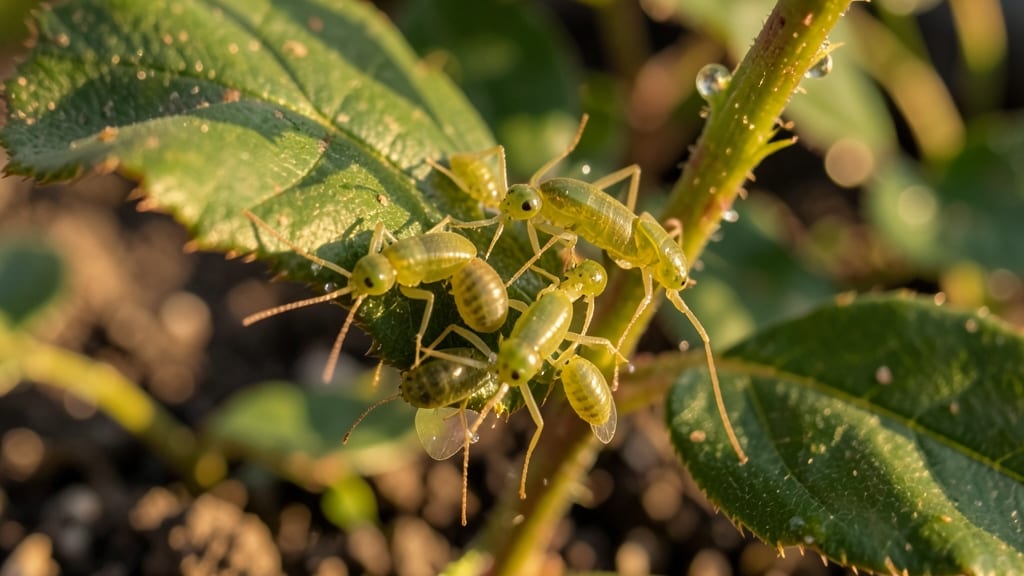
How to identify aphids on plants before they turn thriving gardens into sad, sticky messes—these tiny green invaders strike fast. 🌱 I’ve seen these pests go from barely noticeable to full-blown infestations in days, so I’m sharing exactly what to look for before they wreck your harvest.
Start with their appearance: aphids are 1/16-inch soft-bodied bugs, often green but sometimes yellow, black, or white. They cluster on new growth, under leaves, or along stems, where they suck sap and leave behind a shiny honeydew residue.
Grab a magnifying glass—you’ll spot their tiny legs and antennae, which help distinguish them from similar pests like spider mites or mealybugs.
Curled or yellowing leaves? Sticky residue on lower leaves? Those are red flags. Aphids weaken plants fast, but catching them early means you can squish them by hand or blast them off with water before they multiply.
The key is checking regularly—especially on tender plants like roses, tomatoes, and new seedlings.
No fancy tools needed—just your eyes and a little patience. Once you know what to look for, these pests won’t stand a chance. Here’s how to confirm it’s aphids and what to do next.
Root Causes Of Aphid Infestations
Aphids don’t just appear out of nowhere—they’re drawn to plants by a mix of environmental, biological, and even human factors. Understanding why these tiny pests target your garden or indoor plants is the first step to preventing them.
Here’s a breakdown of the key reasons aphids invade your greenery, explained in simple terms.
Aphids are like uninvited guests—they’re more likely to show up when your plants are already struggling. Weakened plants have less energy to fight off pests, making them an easy meal. Here’s why this happens:
- Nutrient Deficiencies: Plants starving for nitrogen, phosphorus, or potassium become aphid magnets. These nutrients are essential for strong growth and natural pest resistance. For example, nitrogen-deficient plants produce softer, more tender leaves—aphids love feasting on these.
- Overwatering or Underwatering:
- Overwatering creates soggy roots, weakening the plant’s immune system. Aphids thrive in damp environments and are drawn to stressed plants.
- Underwatering causes wilting and stunted growth, making plants vulnerable. Aphids detect the plant’s distress signals and move in.
- Poor Soil Quality: Compacted, nutrient-poor, or acidic soil can’t support healthy root systems. Aphids exploit this by latching onto plants that can’t defend themselves effectively.
💡 Pro Tip: Conduct a simple soil test to check pH and nutrient levels. Amending soil with compost or organic fertilizers can boost plant resilience and deter aphids naturally.
Aphids have a sweet tooth—for plant sap, that is. New shoots, leaves, and flowers are packed with sugars and nutrients, making them the most delicious part of a plant. Here’s why aphids zero in on fresh growth:
- High Sugar Content: Young leaves and stems contain more sugars than mature ones, which aphids crave. Their piercing-sucking mouthparts (called stylets) easily tap into these nutrient-rich areas.
- Thin Cell Walls: New growth has softer, thinner cell walls, making it easier for aphids to penetrate and extract sap without much resistance.
- Hormonal Signals: Plants release volatile organic compounds (VOCs) when they’re growing rapidly. Some aphid species are attracted to these chemical signals, almost like a dinner bell.
🌡️ Actionable Fix: Prune or pinch off new growth regularly to reduce aphid attractants. If you notice aphids on fresh shoots, isolate the plant immediately to prevent spread.
Here’s a bizarre but true fact: ants and aphids have a mutualistic relationship. Ants don’t just tolerate aphids—they actively protect and farm them for honeydew, the sticky sugar-rich waste aphids excrete. Here’s how it works:
| What Ants Do | Why It Helps Aphids |
|---|---|
| Herald and protect aphid colonies | Aphids feel safe from predators (like ladybugs) and reproduce unchecked. |
| Move aphids to new plants | Ants carry aphids on their backs to fresh food sources, spreading infestations faster. |
| Consume honeydew for energy | Aphids produce more honeydew when ants are around, creating a feedback loop. |
🔥 How to Break the Cycle:
- Use sticky traps near ant trails to disrupt their movement.
- Apply ant baits (like borax or diatomaceous earth) to reduce ant populations.
- Encourage natural predators like aphid midge larvae or ladybugs, which ants avoid.
Aphids are cold-blooded (literally—they’re insects, not reptiles!). Their activity levels spike under specific weather conditions. Here’s how climate plays a role:
- Warm Springs: Mild winters and warm springs allow aphid populations to survive and multiply faster. Without freezing temperatures to cull them, infestations explode in early spring.
- Dry Conditions: While aphids love moisture, drought-stressed plants become easier targets. Their sap becomes more concentrated, making it a richer meal.
- Humidity Lovers: Some aphid species, like the green peach aphid, thrive in humid environments. High humidity slows down natural predators (like parasitic wasps), giving aphids free rein.
✨ Seasonal Strategy: Monitor plants closely in early spring and after rain showers. Use reflective mulch or aluminum foil around plant bases to deter aphids, as they’re sensitive to light reflections.
Sometimes, we’re the reason aphids move in. Unintentional actions like these can invite infestations:
- Overcrowded Plants: Tightly packed foliage creates microclimates that aphids love—high humidity and limited airflow. It’s like a cozy aphid apartment!
- Bringing Infested Plants Indoors: Purchasing or propagating plants with hidden aphids introduces them to your home garden. Always quarantine new plants for at least 2 weeks.
- Ignoring Natural Predators: Using broad-spectrum pesticides kills aphid predators (like lacewings or hoverfly larvae) along with the pests. This removes the plant’s built-in defense system.
- Poor Sanitation: Leaving behind aphid-mummified remains (from parasitic wasps) or honeydew residue signals other aphids that the area is safe to colonize.
🎯 Prevention Tip: Space plants properly for airflow, inspect new plants under a magnifying glass, and opt for targeted pesticides (like neem oil) that spare beneficial insects.
How to Fix Aphid Infestations
Now that you’ve spotted the signs—sticky residue, curled leaves, or tiny clusters of pests—it’s time to act. Aphids may be small, but they multiply fast, so early intervention is key.
Below, we’ll break down targeted solutions based on the root cause of your infestation, from organic fixes to preventative strategies. No matter your approach, consistency is your best ally!
Aphids hate soapy water, neem oil, and essential oils, which disrupt their feeding and reproductive cycles. These methods are safe for most plants (test on a small area first) and won’t harm beneficial insects like ladybugs or lacewings.
| Solution | How to Use | Best For | Frequency |
|---|---|---|---|
| Insecticidal Soap | Mix 1 tbsp mild castile soap + 1 quart water. Spray directly on aphids (both sides of leaves). | Delicate plants, indoor gardens | Every 3–5 days until gone |
| Neem Oil Spray | Combine 1 tbsp neem oil + 1 tsp mild soap + 1 quart water. Shake well and spray (avoid direct sun). | Outdoor plants, severe infestations | Weekly for 2–3 weeks |
| Garlic or Chili Pepper Spray | Blend 2 garlic cloves + 1 tbsp cayenne pepper + 1 quart water. Strain and spray. | Vegetable gardens, stubborn clusters | Every 5–7 days |
💡 Pro Tip: Spray early in the morning or late evening to avoid burning leaves in direct sunlight.
Sometimes, physical removal or trapping works faster than sprays—especially for small infestations.
👨🍳 DIY Aphid Trap with Yellow Sticky Cards
Aphids are attracted to yellow, so homemade traps can catch them before they spread. 1. Cut yellow cardboard or paper into squares. 2.
Coat with honey, petroleum jelly, or non-toxic glue (like flour + water paste). 3. Hang near infected plants. 4. Replace every 2–3 days—aphids will stick to the trap instead of your plants!
🥘 Water Blasts for Heavy Infestations
Aphids hate water pressure. For large clusters:
- Fill a spray bottle or hose with water.
- Gently blast aphids off leaves (use a soft spray nozzle to avoid damaging plants).
- Repeat every 2–3 days until the population drops.
✨ Bonus: This method also washes away honeydew, reducing sooty mold risk.
Instead of chemicals, encourage aphid predators to move in.
These creatures eat aphids faster than you can spray: - Ladybugs (release 50–100 adults per 100 sq ft) - Lacewings (their larvae devour aphids) - Parasitic Wasps (tiny but deadly to aphid eggs) - Birds & Frogs (plant near water sources to attract them)
🌡️ How to Attract Them:
- Plant dill, fennel, or marigolds (aphid predators love these).
- Avoid broad-spectrum pesticides—they kill beneficial bugs too!
- Install a small water feature (like a shallow dish with pebbles) to keep birds and frogs around.
The best defense? Preventing infestations in the first place. Here’s how:
🌱 Plant Smart, Stay Ahead
- Choose resistant varieties: Some plants (like aphid-resistant roses or basil) naturally deter pests.
- Rotate crops: Don’t plant the same family (e.g., tomatoes, peppers) in the same spot yearly—aphids target familiar hosts.
- Interplant with herbs: Mint, lavender, or rosemary repel aphids with their strong scents.
🧼 Keep Plants Healthy & Clean
- Remove debris (fallen leaves, weeds) where aphids hide.
- Prune regularly to improve airflow (aphids love crowded, weak plants).
- Fertilize properly: Over-fertilizing with nitrogen makes plants soft and aphid-friendly. Use a balanced 10-10-10 or organic compost instead.
🛡️ Seasonal Checkups
- Inspect new plants before bringing them indoors or into your garden.
- Quarantine new additions for a week to spot hitchhiking pests.
- Monitor frequently: Check under leaves, new growth, and flower buds—aphids love these spots!
If your garden is overwhelmed (e.g., hundreds of aphids, wilting plants, or systemic damage), consider:
- Commercial pesticides (like pyrethrin-based sprays) as a last resort.
- Hiring a local pest control service for severe cases (especially in commercial greenhouses).
Remember: Aphids are annoying but manageable—consistency is your secret weapon. Try one method at a time, observe results, and adjust as needed. Before you know it, your plants will be aphid-free and thriving! 🌿💚
Frequently asked questions
What do aphids look like up close?
Aphids are tiny, soft-bodied insects about 1/16-inch long, often green but sometimes yellow, black, or white. Look for their pear-shaped bodies, long antennae, and two tube-like structures (cornicles) at their rear. A magnifying glass helps spot these details—especially their tiny legs and clustered groupings.
How can I tell if aphids are hurting my plants?
Check for sticky honeydew on leaves, curled or yellowing foliage, and distorted new growth. Aphids weaken plants by sucking sap, causing leaves to wilt or drop. Severe cases may show black sooty mold (a fungus growing on honeydew) or stunted plant development.
Will aphids kill my plants?
While aphids rarely kill mature plants, they can severely stress young seedlings or weak plants. Heavy infestations spread viruses, attract ants, and create conditions for mold. Act fast—handpick clusters, spray with soapy water, or introduce ladybugs to control them before damage spreads.
Can I use vinegar to get rid of aphids?
Yes, but with caution! Mix 1 tablespoon white vinegar + 1 quart water + a drop of dish soap and spray directly on aphids. Avoid spraying in direct sunlight (can burn leaves). Repeat every 3-4 days—vinegar disrupts their feeding but won't kill eggs or large colonies.
Why do aphids keep coming back after I treat them?
New aphids may arrive via wind, ants, or nearby plants. Check for hidden colonies (especially under leaves), treat the entire plant (not just visible pests), and monitor for ants farming them. Use sticky traps and encourage natural predators like lacewings to break the cycle.