
Planting
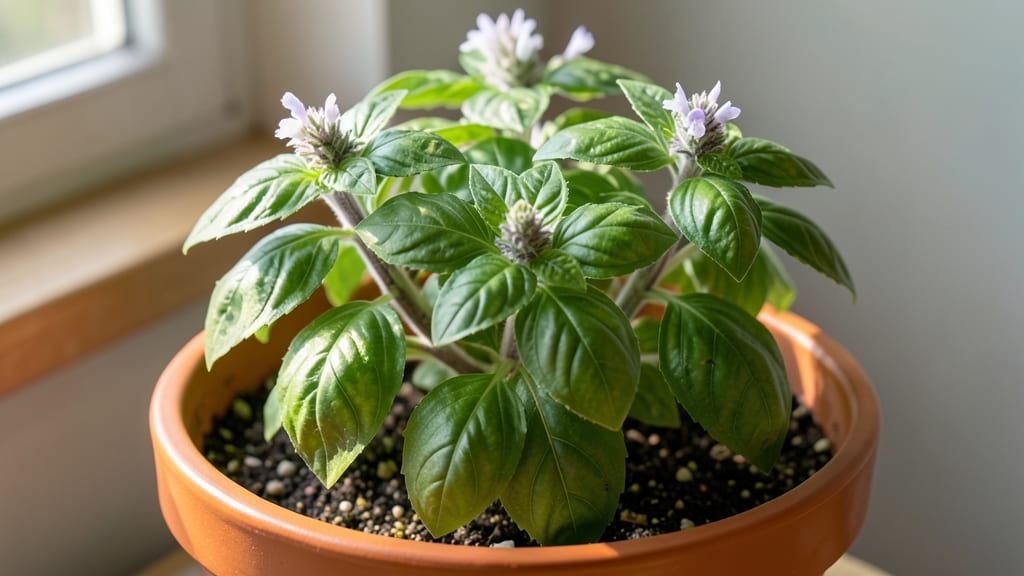
How to identify a basil plant is easy once you know the key clues—start with that unmistakable peppery-fresh scent. 🌿 I’ve harvested enough "mystery herbs" to recognize the telltale signs: broad, oval leaves with jagged edges, a square stem (yes, really), and that signature aroma stronger than any other herb in your garden.
The leaves are the easiest giveaway—Genovese basil has smooth, bright green foliage, while Thai basil sports purple-tinged leaves and an anise-like kick. Purple basil? The stems are deep magenta, and the leaves blush too.
Run your fingers over the leaves: basil feels slightly fuzzy, unlike the smooth texture of mint or the feathery look of cilantro.
Here’s the game-changer: crush a leaf between your fingers. Basil releases a sharp, sweet-spicy scent—mint smells minty (obviously), cilantro tastes like soap to some, and oregano has a woody, earthy aroma.
If it smells like lemon or pine, you’ve got a lookalike like lemon balm or pennyroyal (both safe but not basil).
Pro tip: Check the growth habit—basil grows bushy and upright, while mint spreads aggressively and cilantro bolts quickly. And if your plant has white flowers? That’s basil’s way of saying "harvest me now" before it turns bitter. Trust your nose—it’s the best identifier.
📚 In This Guide
- What you need
- Instructions
- Tips and common mistakes
- Wrapping up and next steps
What you need
- ● Fresh basil leaves (or a basil plant to examine) – 1-2 stems or leaves are enough for a quick ID.
- ○ Magnifying glass or loupe – Optional but helpful for closely inspecting leaf veins and texture.
- ● Small knife or pruning shears – For safely snipping a leaf or stem (sterilize with rubbing alcohol if reusing).
- ● White or light-colored plate or paper – To crush leaves and test aroma (a paper towel works in a pinch!).
- ● Notebook & pen – To jot down observations like leaf shape, color, and scent notes.
- ○ Ruler or measuring tape – Optional but useful for noting leaf size (basil leaves are typically 1–3 inches long).
- ● Camera or smartphone – To snap photos of key features (leaf arrangement, stem texture, etc.).
- ● Basic plant knowledge – Familiarity with common leaf shapes (e.g., oval, serrated, or lobed) helps!
- ● Sunlight access – 10–15 minutes of natural light to observe leaf details clearly.
- ● Patience & curiosity – Basil’s ID relies on close inspection, so take your time!
- ● Safety first! – If testing an unknown plant, avoid tasting unless you’re 100% sure it’s basil.
How to identify basil plants: leaf shape and aroma secrets
Here's how I spot basil in seconds—no green thumb needed. Just look, smell, and confirm three key traits.
🌿 Step 1: Examine the Leaf Shape and Arrangement
Basil leaves are the first clue. They grow in opposite pairs along the stem—not alternating like mint or random like cilantro. The leaves are oval to heart-shaped, with a slightly pointed tip and jagged edges that look like tiny teeth. Hold a leaf up to light—you'll see veins that spread out like fingers from the center.
Young basil leaves are smaller and smoother, but mature leaves reach 2-4 inches long with a deep green color. If you see fuzzy white hairs on the stems or leaves, it's not basil—those are signs of a different herb or even a pest. Basil leaves should be smooth to the touch.
🌱 Step 2: Check the Stem and Growth Pattern
Basil stems are square-shaped when you look at the cross-section, not round like most other herbs. This is a dead giveaway. The stems are also hollow inside and grow upright but can sprawl if not pruned. You'll notice small white or pale green nodes where leaves attach—these are the growth points.
If the stem feels woody or thick, it's likely an older plant. Basil stems should be tender and flexible when young. Run your fingers along the stem—if it's covered in fine hairs or has a rough texture, it's probably not basil.
👃 Step 3: Test the Aroma with Your Nose
This is the easiest way to confirm. Crush a leaf between your fingers and take a deep sniff. True basil has a bright, sweet, slightly spicy scent that's instantly recognizable. It smells like a mix of cloves, pepper, and fresh green leaves—nothing earthy or musty.
If it smells like citrus, it might be lemon basil. If it's more floral or minty, it's a different herb entirely. Pro tip: Smell the leaf before you crush it—sometimes the scent is subtle but still there. If you're unsure, crush a few leaves and compare the aroma to a known basil plant.
☀️ Step 4: Observe the Flowers (If Present)
If your plant has started flowering, basil flowers are another clue. They grow in clusters at the top of the stem and are tiny white or pale purple with four petals. These flowers are edible but signal that the plant is maturing—harvest leaves before flowers appear for the best flavor.
If the flowers are yellow, red, or bright purple, it's not basil. Basil flowers are always soft-colored and small. You'll also notice that the leaves may start to taste bitter once flowers appear, so prune back the flower stems to encourage more leaf growth.
✂️ Step 5: Do the Taste Test (Final Confirmation)
This is the ultimate test. Pick a leaf and take a small bite. Basil has a sweet, slightly peppery flavor that's fresh and aromatic. If it tastes bitter or soapy, it's not basil. If it's too mild, it might be a young plant or a different variety like Thai basil, which has a more anise-like taste.
Here's the thing—if you've ruled out the shape, stem, and scent but still aren't sure, try cooking with it. Basil holds up well in sauces, pesto, or even as a garnish. If the dish tastes fresh and herbaceous, you've got the real deal.
Tips & tricks for perfect basil identification
Confession: I once mistook oregano for basil—until I learned these foolproof tricks. Here's how to avoid that mistake and identify basil with absolute certainty.
Leaf Texture Matters: In Step 1, when examining the leaves, pay special attention to their texture. True basil leaves should feel smooth and slightly waxy to the touch. Run your thumb along the leaf's edge—if it feels fuzzy or hairy, it's not basil. The veins should also be prominent but not raised like on mint leaves. I've found that using a magnifying glass can help spot these details on smaller leaves.
Stem Cross-Section Test: For Step 2, the square stem cross-section is the most reliable identifier. If you're unsure, use a sharp knife to make a clean cut through the stem. The four distinct sides should be clearly visible. I keep a small pocket knife in my gardening bag just for this purpose—it's saved me from multiple herb mix-ups in the kitchen.
Scent Comparison Technique: In Step 3, when testing the aroma, I've found that comparing it to a known basil plant can be incredibly helpful. If you're unsure, crush a leaf and compare it side-by-side with a confirmed basil leaf. The scent should match perfectly. For those with sensitive noses, I recommend crushing the leaf near your nose rather than directly on your skin, as some people's skin can mask the true aroma.
Flower Color Clues: When observing flowers in Step 4, remember that basil flowers are always soft-colored—never vibrant. The tiny white or pale purple flowers should be the first clue. I've seen gardeners make the mistake of assuming purple flowers mean it's basil, but that's actually a common misconception. The color intensity is what distinguishes true basil flowers from others.
Pro Tips for Identify Basil Plant
- Confession: I once mistook oregano for basil—until I learned these foolproof tricks.
- Leaf Texture Matters: In Step 1, when examining the leaves, pay special attention to their texture.
- Stem Cross-Section Test: For Step 2, the square stem cross-section is the most reliable identifier.
Frequently asked questions
Got questions about spotting basil? You’re not alone! Here are answers to the most common queries to help you nail basil identification like a pro.
How can I tell if my basil plant is real or fake?
Authentic basil has broad, slightly serrated leaves with a distinctive aromatic scent when crushed. Fake or low-quality basil often has narrow, dull leaves or a weak smell. If it’s from a grocery store, check for bright green color and firm stems—wilted or yellowing leaves are red flags!
How long does it take for basil to grow enough leaves to identify?
Basil seedlings take about 4–6 weeks to develop recognizable leaves. Young plants may look like tiny, round leaves, but true basil will show oval or lance-shaped leaves with a slightly pointed tip. Patience pays off—harvesting too early can stunt growth!
Can I identify basil by smell alone?
Yes! Crush a leaf between your fingers—genuine basil emits a sweet, peppery aroma. If it smells mild, grassy, or chemical-like, it might be a lookalike (like lemon balm or mint). Pro tip: Morning sunlight enhances basil’s scent, so test leaves in the AM for the strongest fragrance.
What if my basil leaves look right but don’t smell like basil?
Several factors can dull basil’s aroma: overwatering, poor sunlight, or pests. Move your plant to a sunny spot (6+ hours/day) and prune regularly. If the smell is still weak, try a new cutting—sometimes older leaves lose potency. Bonus: Adding a pinch of sugar to the soil can boost flavor!
Are there other plants that look like basil but aren’t?
Common lookalikes include:
- Lemon balm: Smells citrusy, leaves are softer and more rounded.
- Mint: Square stems, stronger minty scent, and jagged edges.
- Thyme: Tiny, needle-like leaves with a woody aroma.
- Parsley: Fern-like leaves, no peppery smell.
Wrapping up and next steps
Identifying basil plants is easier than you think—just focus on those distinctive broad leaves, square stems, and that unmistakable aromatic punch! Whether you're a seasoned gardener or a curious beginner, mastering these visual and sensory clues will help you spot basil like a pro.
Now that you’re armed with the know-how, why not plant your own or share your new skills with fellow plant lovers? 🌱✨
Your next step? Grab some seeds or seedlings and start growing your own fragrant basil patch—your kitchen (and taste buds) will thank you!