
How To
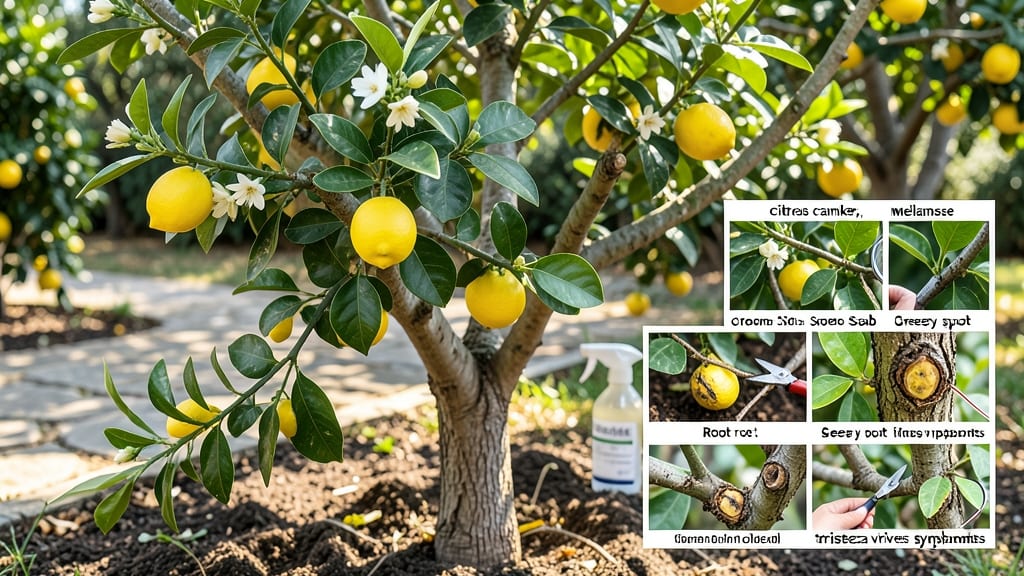
How to identify citrus tree diseases early is the key to saving your harvest before a single leaf spot turns into a full-blown crisis. 🌿 I’ve spent years watching my grove, and I’ve learned to spot trouble before it spreads, saving dozens of trees from decline. The key is knowing what to look for on leaves, stems, and fruit before symptoms become severe.
Citrus canker, greasy spot, and root rot each leave distinct clues—raised bumps, oily patches, or sudden wilting—but they all start small. Humidity and poor drainage turn these issues from minor annoyances into full-blown crises.
What begins as a single leaf spot can spread to your entire tree in weeks if ignored.
By the time you see fruit lesions or yellowing leaves, it’s often too late for simple fixes. But catch these diseases early, and you can prune affected branches, apply the right treatment, and keep your tree thriving.
The difference between a healthy harvest and a lost season often comes down to spotting symptoms within the first few weeks.
We’ll break down the visual red flags, environmental triggers, and prevention steps that have kept my trees productive for years. No more guessing—just clear, actionable clues to protect your citrus investment.
The Hidden Triggers Behind Citrus Tree Ailments
Citrus tree diseases don’t just appear out of thin air—they’re often the result of a perfect storm of environmental, biological, and human factors. Understanding these root causes is key to prevention and early intervention.
Below, we break down the most common culprits and why they spell trouble for your citrus grove.
Citrus trees thrive in warm climates, but when temperatures swing too far outside their comfort zone, their defenses weaken. Here’s how weather plays a role:
- Fungal Foes Love Moisture: Diseases like citrus scab and melanose thrive in prolonged humidity or rainy seasons.
Warm, damp conditions create the ideal breeding ground for fungal spores, which latch onto leaves and fruit, causing discoloration and lesions. - Why it happens: Fungal spores germinate when relative humidity stays above 85% for extended periods.
Poor air circulation (e.g., dense foliage or overcrowded trees) traps moisture, accelerating infection.
- Freezing Stress: Sudden cold snaps (below 28°F) can damage citrus bark and leaves, creating entry points for pathogens like canker bacteria (Xanthomonas spp.).
Weakened tissue becomes an open invitation for secondary infections. - Why it happens: Cold stress disrupts the tree’s natural cuticle barrier, making it vulnerable to bacterial invasion. Young trees and grafted varieties (e.g., ‘Valencia’ oranges) are especially susceptible.
- Heat Stress and Sunburn: Intense sunlight combined with dry, hot winds can scorch leaves, reducing their ability to photosynthesize. Stressed trees become nutrient-deficient, making them easier targets for pests and diseases. - Why it happens: High temperatures (>95°F) increase transpiration rates, dehydrating leaves.
This weakens the tree’s immune response, leaving it prone to greasy spot (a fungal disease caused by Mycosphaerella).
Not all invaders are visible to the naked eye—some are microscopic and relentless. Here’s how they exploit citrus trees:
| Pathogen Type | Common Diseases | How It Spreads | Why It Works |
|---|---|---|---|
| Fungi | Citrus scab, melanose, greasy spot | Wind, rain splash, contaminated tools, or infected plant debris. | Fungal spores are lightweight and travel easily. They digest cellulose in leaves, creating lesions. |
| Bacteria | Canker, bacterial blight | Wounds (pruning cuts, hail damage), contaminated water, or infected nursery stock. | Bacteria thrive in water-filled crevices. They produce toxins that clog plant vessels, starving tissues. |
| Viruses | Tristeza, citrus variegated chlorosis | Aphids, whiteflies, or infected grafting material. | Viruses hijack the tree’s ribosomes (protein factories), disrupting growth and fruit quality. |
- Pro Tip: 💡 Sanitation is your best defense. Sterilize pruning tools with 70% rubbing alcohol or a 10% bleach solution to prevent pathogen spread.
Citrus trees are heavy feeders, and when their soil lacks essential nutrients—or has too much of something—they become stressed and disease-prone. Here’s how soil plays a role:
- Nitrogen Deficiency: Leads to yellowing leaves (chlorosis) and weak growth, making trees more susceptible to root rot (caused by Phytophthora fungi).
- Why it happens: Nitrogen is crucial for chlorophyll production. Without it, leaves can’t fight off pathogens effectively.
- Overwatering and Compacted Soil: Poor drainage creates anaerobic conditions, where roots suffocate and fungal diseases like Phytophthora take hold.
- Why it happens: Waterlogged soil starves roots of oxygen, weakening the tree’s immune system. Compacted clay soils are especially problematic.
- High Soil pH (Alkaline): Locks out micronutrients like iron and zinc, causing leaf yellowing and stunted growth. Weak trees are more prone to anthracnose (a fungal disease). - Why it happens: Citrus prefer slightly acidic soil (pH 6.0–7.0).
Alkaline conditions (>7.5) reduce nutrient availability, stressing the tree.
Pests don’t just eat leaves—they create wounds that serve as gateways for diseases. Here’s how they set the stage:
- Aphids and Whiteflies: Feed on sap, injecting viruses like tristeza while excreting honeydew (a sticky substance that fosters sooty mold).
- Why it happens: Their saliva contains toxins that disrupt the tree’s phloem transport, reducing nutrient flow to leaves and fruit.
- Citrus Leafminers: Larvae burrow into leaves, creating open wounds where bacteria (Pseudomonas spp.) can enter.
- Why it happens: The physical damage disrupts the leaf’s protective cuticle, making it easier for pathogens to colonize.
- Scale Insects: Their waxy secretions trap moisture and debris, creating a favorable environment for fungal growth (e.g., sooty mold).
- Why it happens: The sticky residue from scale insects blocks sunlight, weakening photosynthesis and stressing the tree.
Even well-meaning gardeners can accidentally invite diseases. Here’s how:
- Improper Pruning: Cuts made during wet weather or with dull tools create large wounds that take longer to heal, inviting canker bacteria.
- Why it happens: Slow-healing wounds stay open longer, providing a feeding ground for pathogens.
- Over-Fertilizing with Nitrogen: While nitrogen promotes growth, excessive amounts lead to soft, succulent tissue—a buffet for pests and fungi.
- Why it happens: High nitrogen reduces leaf toughness, making them easier for pathogens to penetrate.
- Overhead Irrigation: Watering from above splashes spores from the soil onto leaves, spreading diseases like melanose.
- Why it happens: Soil-borne spores hitch a ride on water droplets, landing on young leaves and fruit where they can infect.
Citrus trees often start as grafted seedlings, and the stress of this process (or moving them to a new location) can leave them vulnerable:
- Graft Incompatibility: If the scion (top tree) and rootstock aren’t compatible, the tree may reject the graft, leading to weak growth and disease susceptibility.
- Why it happens: Poor compatibility disrupts nutrient transport, making the tree more prone to root rot and bacterial infections.
- Transplant Shock: Moving citrus trees (especially mature ones) can sever fine roots, reducing water and nutrient uptake. Stressed trees are less resistant to pathogens.
- Why it happens: Root damage triggers ethylene production, a plant hormone that accelerates aging and weakens defenses.
Even your local air and water can contribute to citrus tree woes:
- Air Pollution (Ozone, Sulfur Dioxide): Damages leaf cuticles, making them more permeable to pathogens.
- Why it happens: Ozone (O₃) breaks down waxes on leaves, reducing their protective barrier.
- Contaminated Water: Irrigating with brackish or chemically treated water can introduce salts and pathogens like Xylella fastidiosa (which causes citrus variegated chlorosis).
- Why it happens: High salt levels disrupt osmosis, causing nutrient imbalances and stress.
Citrus tree diseases rarely strike in isolation—they’re almost always the result of one or more stressors combining to weaken the tree’s natural defenses. By addressing weather, soil, pests, and human practices, you can break the cycle before diseases take hold.
Stay vigilant, and your citrus trees will stay healthy and productive!
How to Fix Citrus Tree Diseases
Once you’ve spotted the signs of trouble on your citrus trees, acting quickly can save your harvest—and your plants. Below are practical, step-by-step solutions for the most common citrus diseases, along with prevention tips to keep your trees thriving. Think of this as your citrus tree first-aid kit!
Fix:
- Prune infected branches 🔪 – Cut off any cankers (sunken, oozing sores) with sterilized pruners (wipe blades with rubbing alcohol between cuts). Remove at least 6 inches below the visible lesion to ensure the fungus doesn’t spread.
- Dispose of debris properly 🗑️ – Burn or bag infected branches away from your garden to prevent spores from lingering.
- Apply copper fungicide 🛡️ – Spray a copper-based fungicide (like copper sulfate or copper hydroxide) every 7–14 days during wet seasons. Follow label instructions for dilution.
- Clean up fallen leaves 🍂 – Remove and compost in a sealed bin (not in your garden) to stop spores from reinfecting.
Prevention Tips: ✅ Space trees properly (12–15 feet apart) for airflow. ✅ Avoid overhead watering—use drip irrigation instead. ✅ Plant resistant varieties like ‘Carrizo’ or ‘Swingle’ citrumelos.
Fix:
- Remove infected leaves 🍃 – Pick off yellowed or spotted leaves and destroy them (don’t compost them in the garden).
- Apply fungicide 💊 – Use a fixed copper fungicide or a chlorothalonil-based spray (like Daconil) every 10–14 days during rainy or humid periods.
- Improve airflow 🌬️ – Thin out dense foliage and prune lower branches to reduce humidity near the canopy.
Prevention Tips: ✨ Water in the early morning so leaves dry quickly. ✨ Mulch with straw (not wood chips) to keep soil moisture even. ✨ Rotate fungicides to prevent resistance.
Fix:
- Handpick larvae 👨🍳 (if infestation is small) – Look for white, worm-like larvae inside leaves and drop them into soapy water.
- Spray horticultural oil or insecticidal soap 🧼 – Apply early in the morning or late afternoon to avoid burning leaves. Reapply every 5–7 days until no more larvae appear.
- Use yellow sticky traps 🎯 – Hang them near the tree to catch adult flies before they lay eggs.
Prevention Tips: 💡 Encourage natural predators like parasitic wasps (they love leaf miners!). 💡 Avoid over-fertilizing with nitrogen—it makes trees more attractive to pests.
Fix:
- Improve drainage immediately 💦 – If your tree is in clay soil, amend it with compost or sand to a depth of 12 inches. For container-grown trees, repot into a well-draining mix (cactus/succulent soil works well).
- Reduce watering 🚰 – Let the top 2–3 inches of soil dry out between waterings. Use a moisture meter if unsure.
- Apply a systemic fungicide 🌱 – Drench the soil with Mycorrhizal fungi or Trichoderma harzianum to outcompete harmful pathogens.
Prevention Tips: ✅ Plant citrus in raised beds if your soil drains poorly. ✅ Avoid overwatering—citrus trees hate soggy roots! ✅ Mulch with gravel or bark (not organic mulch) to keep roots dry.
Fix:
- Scrape off scale 🧼 – Use a soft brush or cotton swab dipped in rubbing alcohol to wipe off clusters of scale (they look like tiny bumps).
- Apply horticultural oil 🛢️ – Spray dormant oil (like Neem oil or refined petroleum oil) every 7–10 days for 3–4 weeks.
- Introduce beneficial insects 🐞 – Ladybugs and lacewings love eating scale.
Prevention Tips: 🔥 Inspect new plants before bringing them home. 🔥 Keep trees healthy—stressed trees attract more pests.
Fix:
- Remove infected trees immediately ❌ – There’s no cure for tristeza, so dig up and destroy affected trees (including roots) to stop the virus from spreading to others.
- Disinfect tools 🧼 – Clean pruners with bleach or rubbing alcohol between uses.
- Test new citrus trees 🧪 – Buy from certified disease-free nurseries and request tristeza-tested plants.
Prevention Tips: 🎯 Avoid grafting infected scions (use only healthy rootstock). 🎯 Control aphids (they spread tristeza)—use soapy water sprays or pirimicarb.
- 🌞 Full sun + airflow = Less fungal growth.
- 💧 Water at the base (not the leaves) to avoid fungal spores.
- 🍃 Prune for sunlight—thin out crowded branches.
- 🔄 Rotate fungicides to avoid resistance.
- 📅 Monitor regularly—catch issues early!
By following these steps, your citrus trees will stay healthy, productive, and disease-free for years to come. 🍋🍊🍍
Frequently asked questions
What's the first sign of citrus canker, and how does it differ from fungal spots?
Citrus canker starts with small, water-soaked bumps on leaves that turn yellow with raised edges and ooze when wet. Unlike fungal spots (which appear as greasy, circular patches), canker lesions are crusty and scabby when dry. Check the underside of leaves first—canker often appears there before spreading.
Can I save a tree with root rot if the trunk feels soft when pressed?
If the trunk is mushy or hollow-sounding when tapped, the tree is likely beyond saving. Root rot spreads quickly in waterlogged soil. Your best option is to remove it immediately to prevent spreading to nearby plants. Focus on improving drainage for future plantings—citrus trees need well-aerated soil.
Why do my citrus leaves turn yellow even when I'm fertilizing regularly?
Yellowing leaves often signal nutrient deficiencies despite fertilization. Test your soil—citrus trees need balanced NPK (6-6-6 ratio) with micronutrients. Overwatering or alkaline soil (pH >7.5) can lock out iron and zinc, causing interveinal chlorosis. Try a chelated iron spray and adjust your watering schedule.
How often should I inspect my citrus trees for early disease signs?
Check your trees every 10–14 days during growing season (spring-fall), focusing on new growth and undersides of leaves. After rain or high humidity, inspect within 48 hours—fungal spores spread fastest then. Use a 10x magnifying glass to spot tiny lesions early.
Is it safe to compost citrus leaves with disease spots?
Never compost infected leaves or fruit—even in sealed bins. Pathogens can survive and reinfect your garden. Instead, bag and trash diseased plant material, or burn it if possible. Healthy citrus leaves can go in compost, but only after thorough washing.