
Shrubs
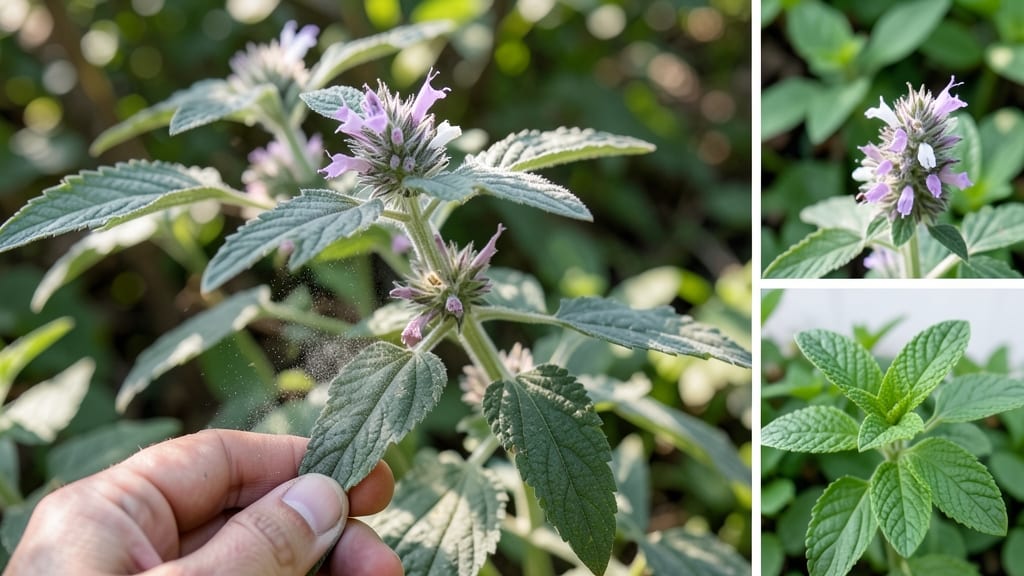
How to identify wild catnip (Nepeta cataria) is easier than you think—square stems, crinkled leaves, and a minty scent that’ll make cats go wild. 🌿 I’ve spent hours distinguishing it from dead nettle and mint, and these visual cues save time (and your plants). The key? Leaf shape, stem texture, and how it reacts when you rub it.
Start with the leaves: catnip’s are oval with jagged edges and a slightly fuzzy texture, while mint leaves are smooth and toothed. The stems are the giveaway—square like basil’s, not round like mint.
Crush a leaf: catnip smells like fresh mint with a hint of camphor, while dead nettle has a musty, almost medicinal odor.
Check the flowers for confirmation: catnip blooms in lavender spikes in summer, while mint flowers are tiny and white. Habitat matters too—catnip thrives in sunny, dry areas, often near fences or roadsides.
Misidentifying it could mean accidentally pulling toxic lookalikes like dead nettle (Lamium) or even invasive ground ivy.
Pro tip: Rub leaves between your fingers—catnip’s scent is unmistakable once you know what to sniff for. This trick works even when flowers aren’t in bloom. Once you’ve got it nailed, you’ll spot it everywhere—and maybe even grow your own for curious kitties (or herbal tea).
📚 In This Guide
- What you need
- Instructions
- Tips and common mistakes
- Wrapping up and next steps
What you need
- ● Field Guide or Plant ID App: A printed guide (e.g., Wildflowers & Weeds of North America) or a smartphone app like iNaturalist or PlantNet for quick reference.
- ● Hand Lens (10x Magnification): For examining fine details like leaf texture or stem hairs—essential for distinguishing catnip from lookalikes like mint or dead nettle.
- ● Notebook & Pen: To jot down observations (leaf shape, scent, habitat) and sketch key features.
- ○ Gloves (Optional but Recommended): Lightweight gardening gloves to protect hands from rough stems or prickly plants.
- ● Small Plastic Bag or Container: For collecting a tiny leaf sample (if legal in your area) to confirm scent—never uproot wild plants!
- ● Camera or Smartphone: To capture photos of leaves, stems, and habitat for later comparison.
- ● Basic Plant Knowledge: Familiarity with common leaf shapes (e.g., square stems, serrated edges) helps narrow down options.
- ● Know Your Region: Catnip (Nepeta cataria) thrives in USDA Zones 3–9—check local wildflower databases for sighting reports.
- ● Timing: Spring to early summer is ideal; leaves are lush and scent is strongest.
- ● Legal Considerations: Verify local regulations—some areas protect wild herbs or restrict collection.
How to identify wild catnip: leaf shape and stem clues for accurate spotting
Here’s how I spot wild catnip in the wild—no confusing it with mint or other lookalikes.
🌿 Step 1: Examine the Leaf Shape and Arrangement
Wild catnip leaves are the first clue—square-stemmed plants with opposite leaves that feel slightly rough to the touch. Each leaf is 3-5 inches long and divided into 3-5 toothed lobes, like a jagged hand with fingers. The edges aren’t smooth; they have tiny serrations that catch light differently than mint’s smoother leaves.
Run your fingers along the stem between leaves. Catnip’s leaves grow directly across from each other (opposite arrangement), not staggered like peppermint. If the leaves feel fuzzy or have rounded lobes, it’s probably not catnip—keep looking.
🌱 Step 2: Check the Square Stem and Hairy Texture
The stem is the giveaway: catnip’s square stem is ¼ to ½ inch wide and covered in fine, soft hairs. Run your thumb along it—if it feels rough or sticky, it’s not catnip. The hairs help distinguish it from smooth-stemmed mint varieties, which often feel slippery.
Break a small stem between your fingers. Catnip’s stems release a faint but distinct sweet, slightly peppery scent when crushed—like a mix of oregano and citrus. Mint smells stronger and more pungent, often with a sharp menthol kick.
☀️ Step 3: Look for Flower Clusters and Growth Habit
In late summer, catnip sends up spikes of small white flowers that form dense clusters at the stem tips. These flowers are tubular and grow in whorls around the stem, not just at the top like many mints. The blooms are ⅛ inch wide and fade to pink as they age.
Catnip grows 2-4 feet tall in sunny meadows or disturbed soil, often in colonies. It thrives in full sun and partial shade but avoids wet areas. If you’re in a damp forest, it’s probably not catnip—those conditions favor wild mint instead.
💧 Step 4: Test with a Simple Smell and Taste (Optional)
Rub a leaf between your fingers—catnip’s scent is mild but unmistakably herbal and slightly sweet, with no harsh minty bite. If it smells strongly of menthol, it’s not catnip. For a taste test (only if you’re certain!), a tiny pinch of fresh leaf has a mild, slightly bitter flavor, not the sharp coolness of mint.
Here’s the thing—catnip’s scent is subtle, so don’t expect a strong reaction like with commercial catnip. Wild catnip is the ancestor of the stuff that makes cats go crazy, but its effects on humans are milder. If you’re unsure, snap off a few leaves and compare them side by side with known mint plants.
✂️ Step 5: Compare to Common Lookalikes
Catnip’s biggest imposters are wild mint and dead nettle. Mint leaves are smoother, brighter green, and often have rounded lobes without the jagged teeth. Dead nettle has square stems too, but its leaves are hairless and grow in pairs along the stem, not opposite.
If the plant has purple flowers or grows in shady areas, it’s probably dead nettle. Catnip’s white flowers and preference for sunny spots are dead giveaways. I always check for these details before harvesting—misidentifying catnip can lead to disappointment when the scent doesn’t match.
Tips & tricks for spotting wild catnip like a pro
These little details make all the difference when you're trying to tell catnip apart from its lookalikes in the wild.
Leaf Texture is Your First Clue: Pay extra attention to Step 1's mention of rough leaves with jagged edges. Run your fingers along the leaf's edge—catnip's serrations should feel like tiny teeth, not smooth curves. This texture difference is what sets it apart from mint's softer leaves. I've seen plenty of people overlook this and confuse catnip with spearmint because they didn't check the leaf edges closely enough.
Stem Hairiness is Non-Negotiable: In Step 2, the instructions highlight the importance of those fine hairs on catnip's square stem. This is your most reliable identifier! Use your thumb to feel the stem—if it's completely smooth, it's not catnip. I once collected what I thought was catnip for a tea blend, only to realize it was dead nettle because I didn't check for the hairy texture. That batch ended up in the compost!
Flower Arrangement is the Secret Weapon: When you see those white flower spikes in Step 3, notice how they form dense clusters around the stem, not just at the top. This whorled arrangement is unique to catnip. I've found that checking for this flower pattern in late summer is the quickest way to confirm an identification, especially when comparing with mint plants that have flowers only at the stem tips.
Growth Location Matters: Catnip's preference for sunny meadows and disturbed soil (as mentioned in Step 3) is actually a big hint. If you're in a damp forest or shady area, you're probably looking at wild mint or dead nettle. I've made this mistake before—collecting plants in the wrong habitat and ending up with disappointing results when I got home and did the scent test.
Pro Tips for Identify Wild Catnip
- These little details make all the difference when you're trying to tell catnip apart from its lookalikes in the wild.
- Leaf Texture is Your First Clue: Pay extra attention to Step 1's mention of rough leaves with jagged edges.
- Stem Hairiness is Non-Negotiable: In Step 2, the instructions highlight the importance of those fine hairs on catnip's square stem.
Frequently asked questions
about identifying wild catnip—because even the pros need a little extra help sometimes!1. How do I tell wild catnip apart from similar-looking plants like mint or dead nettle?
Wild catnip (Nepeta cataria) has square stems (like mint) but hairy leaves with a crinkled, oval shape and toothed edges. Dead nettle has heart-shaped leaves and lacks the minty scent. Rub the leaves—catnip smells strongly of catnip (duh!) or slightly minty, while mint is overpoweringly strong.
2. When is the best time of year to find wild catnip for harvesting?
The ideal time is late spring to early summer (May–July), when the plant is in full bloom. Look for purple or white flower spikes—this confirms it’s mature and ready to harvest. Avoid harvesting in fall or winter, as the plant may be dormant or less potent.
3. Can I grow wild catnip from seeds, or should I just forage?
You can grow it from seeds (it’s hardy and low-maintenance!), but foraging is easier if you’re near wooded areas or roadsides. If growing, plant seeds in well-draining soil and full sun—it spreads aggressively, so contain it! Foraging is faster, but always confirm ID to avoid lookalikes like Lamium (dead nettle).
4. What should I do if I accidentally pick the wrong plant?
If you’re unsure, don’t ingest it—some lookalikes (like Hemlock) are toxic! Stick to visual ID (square stems, crinkled leaves, minty-catnip scent) and cross-check with a field guide. When in doubt, skip it—your cat (and stomach) will thank you!
5. Does wild catnip lose potency over time, and how should I store it?
Fresh catnip is strongest, but it retains potency for 6–12 months if stored properly. Dry it in bundles in a dark, dry place (like a paper bag) or freeze it for longer shelf life. Avoid humidity—mold ruins the fun! For cats, crush dried leaves to release oils.
Wrapping up and next steps
Identifying wild catnip doesn’t have to be a mystery—just remember its square stems, rough, scalloped leaves, and minty aroma! With these clues, you’ll spot it like a pro in no time. 🌿✨
Now that you’re armed with knowledge, grab your gardening gloves and head outdoors. Share your finds with fellow plant enthusiasts or even grow your own—catnip’s versatility makes it a must-have for gardens and pets alike! 🐱💚