
How To
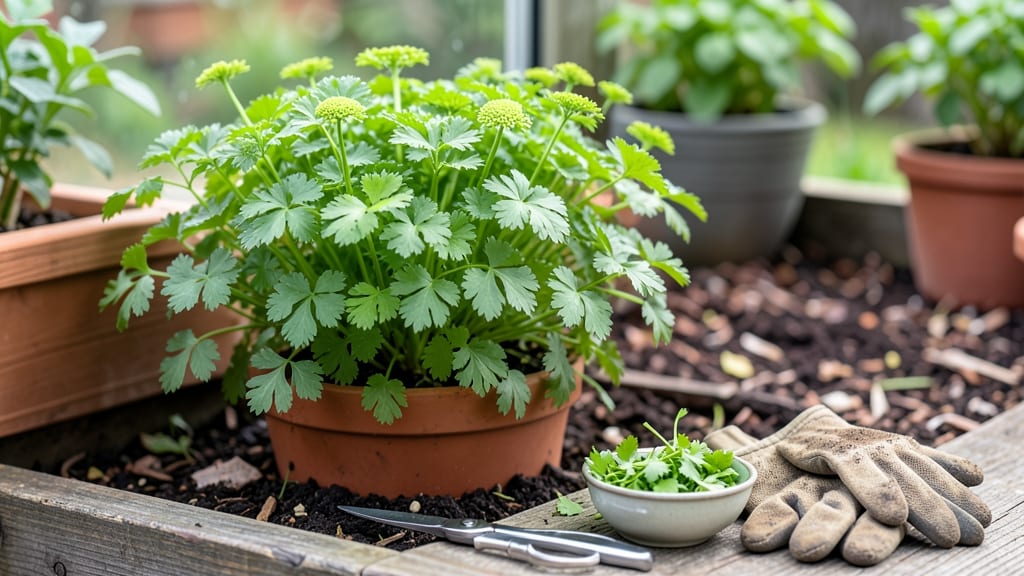
Picking the right parsley at the market or from your garden can make or break your next dish—because wilted leaves mean bland flavors, no matter how fresh the rest of your ingredients are.
That bright green 🌿 you see might hide early signs of spoilage, and learning how to spot them saves you from disappointment.
I’ve tested the easiest ways to check parsley freshness, and the stem snap test is the game-changer you need. With just a quick break, you’ll know if those leaves are crisp or past their prime—no guesswork required.
This simple trick works whether you’re shopping at the farmers’ market or harvesting from your own plot.
Beyond the snap, leaf color and texture hold the secrets to parsley’s quality. Dark, vibrant green leaves with a slight sheen are your goal, while yellowing or slimy stems signal it’s time to walk away.
I’ll break down exactly what to look for so you never buy (or harvest) parsley that’s already on its way out.
Once you master these tricks, you’ll save money, reduce food waste, and always have the freshest herb for your recipes. Let’s dive into the foolproof methods that’ll make you a parsley-picking pro in no time.


The stem snap test: how to check parsley freshness instantly
Fresh parsley isn’t just about bright leaves—its stems hold the secret to true freshness. The stem snap test is my go-to trick for instantly telling if parsley is ready for your kitchen or needs to be tossed.
This simple method works whether you're picking from your garden or selecting at the market.
Here’s how it works: Hold a parsley stem near the base and bend it gently backward. If it snaps cleanly with a slight crack, you’ve got fresh parsley.
But if it bends without breaking or feels mushy, it’s past its prime. This test reveals the internal moisture levels that determine flavor and texture.
⚠️ Warning: The Snap Test Reveals Hidden Spoilage
✅ Fresh parsley: Clean break with a crisp sound and dry interior
❌ Old parsley: Bends without breaking, feels soft, or shows wet interior
💡 Why it matters: Wet stems = bacterial growth and bitter flavor
The snap test isn’t just about avoiding bad parsley—it’s about maximizing flavor. Fresh parsley has crisp stems that snap like celery, while older parsley becomes woody and fibrous, even if the leaves still look green.
This is especially important when buying bunched parsley from stores, where stems often hide the truth.
For gardeners, this test helps decide when to harvest parsley. If your plants snap cleanly, they’re ready for the kitchen. But if they bend like wet paper, they need more time to mature.
The best parsley for snapping has firm stems that are light green (not yellow) and slightly woody at the base.
Pro tip: Always test the thickest stems first—they’re the most telling. Thin stems might snap even when the plant is old, so focus on the main central stems for accurate results. This method works for both flat-leaf and curly parsley, making it universally applicable.
Remember, parsley’s flavor peaks when stems are crisp. Once stems start bending instead of snapping, the leaves lose their bright, fresh taste and become bland. This test takes just 2 seconds but can save you from using subpar parsley in your favorite recipes.
If you’re growing parsley at home, use this test to time your harvests. Regular snapping tests help you avoid over-mature plants that become tough and bitter. For market parsley, it’s your only reliable indicator of freshness since labels rarely tell the truth.
Next time you’re choosing parsley, skip the leaf color guesswork and go straight for the stems. A crisp snap means flavor-packed parsley ready for your next dish—no second thoughts needed.
Leaf color guide: what shades reveal about parsley freshness
Parsley leaves aren’t just green—their shades tell a story about freshness and health. Bright, vibrant green leaves signal peak ripeness, while subtle changes can reveal hidden issues like nutrient deficiencies or overwatering. Even the stem color plays a role in determining quality.
Start by examining the leaf edges. Tiny yellow or brown spots often indicate oxidation from exposure to air, while widespread yellowing suggests wilting or nutrient loss.
For flat-leaf parsley, look for crisp, glossy surfaces—dullness is a red flag. Curly parsley should have tight, uniform curls without fraying.
Yellowing leaves aren’t always a dealbreaker! Check the leaf pattern:
- Yellow tips only: Normal aging or low humidity.
- Yellow patches: Possible fungal infection or overwatering.
- Entire leaf yellow: Severe nutrient deficiency or root rot.
🌿
The stem color is another clue. Healthy parsley stems should be crisp and pale green near the base. If they’re brown or mushy, the parsley is past its prime.
For bunch parsley, gently squeeze the stems—if they feel soft or spongy, the leaves will wilt quickly after purchase.
Don’t overlook the leaf veins. Dark green veins with light green leaf tissue are ideal. If the veins appear yellow or brown, the parsley may be stressed from underwatering or excessive heat.
Even the root system matters—if you see exposed roots or dry, woody stems, the parsley has been sitting too long.
For market-bought parsley, inspect the bundle packaging. Fresh parsley is often wrapped in plastic or paper to preserve moisture. If the packaging feels damp or slimy, the parsley inside is likely spoiled. Always choose parsley with tightly packed leaves—loose stems indicate wilting.
Pro tip: Hold a leaf up to the light. Healthy parsley should feel firm and slightly crisp. If it feels floppy or papery, it’s lost moisture and flavor. Store your chosen parsley stem-down in water to mimic its natural state and extend freshness for 5-7 days.