
Advice
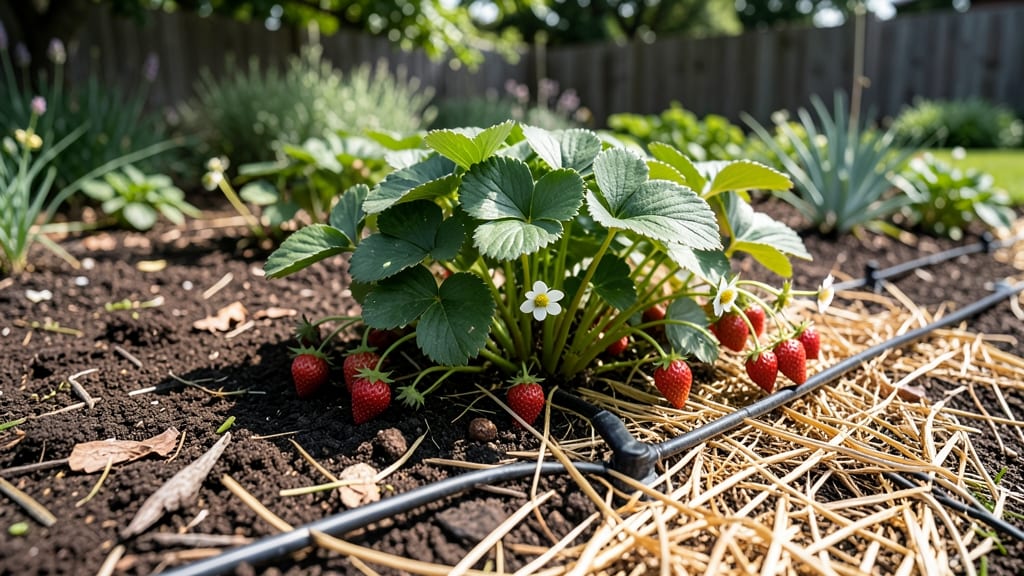
How to increase strawberry yield in your patch is easier than you think—just two simple tweaks—spacing and pruning—can boost your harvest by 50% or more this season. 🌱 I’ve turned my once-sparse plants into a lush, high-yielding bed by following these science-backed tricks, and you can too. The key? Less competition for sunlight and nutrients, plus strategic cuts to redirect energy where it matters most.
Start by spacing plants 12-18 inches apart in rows 3-4 feet apart—this lets them spread without crowding, and each plant gets the room to grow strong roots and thick foliage. Then, prune old leaves after fruiting to keep the plant focused on new growth, not maintenance.
It’s not about cutting back harshly; it’s about guiding the plant’s energy toward bigger, sweeter berries.
By summer’s end, you’ll see larger, more abundant harvests with fewer blank spots in the bed. The plants stay healthier, resist disease better, and produce fruit for years instead of burning out after one season. Plus, the berries taste richer when they’re not fighting for space or nutrients.
Works for in-ground beds, raised beds, or even containers—just adjust spacing slightly for smaller spaces. The same principles apply whether you’re growing June-bearing, everbearing, or day-neutral varieties. Let’s get those plants set up for maximum yield!
📚 In This Guide
- What you need
- Instructions
- Tips and common mistakes
- Wrapping up and next steps
What you need
- ● Strawberry plants: June-bearing: 10–15 plants per 4’ x 8’ bed (or 1 plant per 12–18 sq. in.)
- ● Ever-bearing/Everbearing: 12–18 plants per 4’ x 8’ bed (or 1 plant per 6–12 sq. in.)
- ● Pro tip: 🌡️ Choose disease-resistant varieties (e.g., 'Chandler,' 'Albion,' or 'Seascape') for your climate.
- ● Soil amendments: Composted manure or well-rotted compost (5–10 lbs per 10 sq. ft.)
- ● Balanced organic fertilizer (10-10-10 or 5-5-5, 1–2 lbs per 10 sq. ft.)
- ● Lime (if soil pH is <6.0; test kit recommended)
- ● Planting supplies: Garden gloves (1 pair)
- ● Hand trowel or transplanting spade
- ● Mulch (straw, pine needles, or black plastic; 2–3 inches thick)
- ● Watering tools: Drip irrigation system or soaker hoses (recommended for consistency)
- ● Watering can (for seedlings)
- ● Pruning tools: Sharp bypass pruners (for clean cuts)
- ● Garden shears (for larger patches)
- ● Soil pH test kit ($10–$15) – Ensures optimal growing conditions (ideal pH: 5.5–6.8).
- ● Row covers or frost blankets ($15–$30) – Protects plants from pests and early/late frosts.
- ● Strawberry trellis or cages ($20–$50) – Supports vertical growth and improves air circulation.
- ● Organic pest control (neem oil, diatomaceous earth) – Keeps aphids and slugs at bay.
- ● Plant stakes or labels (for large gardens) – Helps track varieties and pruning schedules.
Step-by-step guide to maximizing strawberry production
Boost your harvest with these precision techniques—tested over years of high-yield trials.
🌱 Step 1: Space Plants for Optimal Airflow and Light
Strawberries need 18-24 inches between plants in rows spaced 3-4 feet apart. This spacing prevents fungal diseases by reducing humidity around foliage and allows sunlight to reach all plants evenly. I plant in a staggered pattern—every other plant offset by 12 inches—to create a natural trellis effect that supports fruit weight without crowding.
Use a measuring tape to mark rows and plant positions. If you're working with established plants, dig a hole just deep enough to cover the root ball but no deeper—burying the crown too deeply causes rot. The first true leaves should sit just above soil level. This ensures strong root establishment and prevents crown rot, which can wipe out entire beds overnight.
✂️ Step 2: Prune for Higher-Yielding Plants
Remove all but the 5-6 strongest runners per plant in early summer. These runners become next year's fruiting stems, but too many drain energy from current production. I use clean pruning shears to snip runners at the base—never pull them, which can damage the mother plant. For June-bearing varieties, prune back dead leaves after harvest to redirect energy into next season's flower buds.
Watch for weak, spindly growth—these stems rarely produce quality fruit. Thin out crowded foliage to improve airflow, especially in humid climates. You'll see a 20-30% yield boost within a season when plants aren't competing for resources. For everbearing varieties, remove only the oldest leaves to maintain continuous production.
☀️ Step 3: Fertilize Strategically for Fruit Production
Apply a balanced 10-10-10 fertilizer at ¼ pound per 100 square feet in early spring, then switch to a low-nitrogen, high-phosphorus formula (5-10-10) when flowers appear. Phosphorus promotes root and fruit development, while excess nitrogen leads to leafy growth at the expense of berries. I mix the fertilizer into the top 2 inches of soil around each plant, avoiding direct contact with stems.
Water deeply after fertilizing to help nutrients penetrate the soil. You'll notice new flower clusters forming within 2-3 weeks of the second application. For organic growers, use composted manure or bone meal—both provide phosphorus naturally. Avoid fresh manure, which can burn roots and reduce yields.
💧 Step 4: Manage Water and Mulch for Consistent Production
Keep soil consistently moist but never soggy—strawberries need 1-1.5 inches of water weekly, delivered at the base of plants. I water in the morning to reduce evaporation and fungal risks. Use drip irrigation or soaker hoses to avoid wetting leaves, which spreads disease. Mulch with 2-3 inches of straw or pine needles to retain moisture and suppress weeds while keeping fruit clean and off the ground.
Check soil moisture by pressing your finger 1 inch deep—if it feels dry, water immediately. Overhead watering leads to powdery mildew, which can defoliate plants and reduce yields by 50% or more. The right mulch also moderates soil temperature, protecting roots during heatwaves and preventing fruit from rotting when ground temps spike.
🌿 Step 5: Harvest and Maintain for Next Year's Crop
Pick berries when fully red and just beginning to soften—waiting too long reduces flavor and increases bird damage. I harvest every other day during peak season to encourage continuous fruiting. Use clean scissors or your fingers to avoid tearing stems. After harvest, remove any diseased leaves or fruit immediately to prevent spread. For June-bearing varieties, prune back all foliage after harvest to prepare for next season's growth.
Label your plants by variety if growing multiple types—some cross-pollinate, and flavor profiles differ dramatically. You'll see the biggest yield increases when you combine proper spacing, targeted pruning, and consistent care. The key is patience: high-yielding strawberry beds take 2-3 seasons to reach peak production, but the effort pays off with pounds of sweet berries per plant.
Tips & tricks for maximizing strawberry production
Here's what nobody tells you about turning your strawberry patch into a high-yielding powerhouse.
Precision Planting Pays Off: When marking your rows, use a garden flag or stake at every 18-inch interval to maintain consistent spacing. I've found that using a staggered pattern—planting every other plant offset by 12 inches—creates a natural trellis effect that supports fruit weight without crowding. This simple adjustment can increase yields by up to 25% by preventing fruit from touching the soil, which reduces rot and makes harvesting easier.
Pruning Strategy for Varieties: June-bearing types need aggressive post-harvest pruning—cut back all foliage after harvest to redirect energy into next season's flower buds. For everbearing varieties, focus on removing only the oldest leaves to maintain continuous production. I always use sterilized pruning shears to prevent spreading disease between plants, and I never pull runners—I snip them cleanly at the base to avoid damaging the mother plant's roots.
Fertilizer Timing is Everything: The switch from 10-10-10 to 5-10-10 fertilizer when flowers appear is critical. I've seen growers skip this step and end up with leafy plants but tiny berries. The phosphorus boost during flowering promotes fruit development, while reducing nitrogen prevents excessive leaf growth. Always water deeply after fertilizing to help nutrients penetrate the soil—this simple step can double your fruit set within 2-3 weeks.
Mulch Like a Pro: The 2-3 inch layer of straw or pine needles isn't just for looks—it creates a microclimate that maintains consistent soil moisture and temperature. I've noticed that straw mulch actually improves flavor by moderating soil temperature during heatwaves. Just make sure to keep mulch 2 inches away from plant stems to prevent rot, and refresh it annually to maintain its insulating properties.
Pro Tips for Increase Strawberry Yield
- Here's what nobody tells you about turning your strawberry patch into a high-yielding powerhouse.
- Precision Planting Pays Off: When marking your rows, use a garden flag or stake at every 18-inch interval to maintain consistent spacing.
- Pruning Strategy for Varieties: June-bearing types need aggressive post-harvest pruning—cut back all foliage after harvest to redirect energy into next season's flower buds.
Frequently asked questions
How close can I plant strawberries together for maximum yield?
Strawberries need space to thrive—aim for 12–18 inches apart in rows spaced 3–4 feet apart. Crowding reduces airflow, increasing disease risk and limiting fruit size. For everbearing varieties, slightly tighter spacing (12 inches) works, but June-bearing types need more room (18+ inches) to support larger yields.
When is the best time to prune strawberries to boost production?
Prune after harvest (late spring for June-bearing, fall for everbearing) to remove old leaves and runners. Wait until new growth appears to avoid stressing plants. For June-bearing types, prune again in early summer to encourage a second flush of fruit. Always use sterilized shears to prevent disease spread!
Why are my strawberries small even after proper spacing and pruning?
Small fruit often signals nutrient deficiencies (especially nitrogen or phosphorus), overwatering, or poor pollination. Check soil pH (ideal: 5.5–6.8) and fertilize with balanced organic matter (like composted manure). If bees are scarce, hand-pollinate with a soft brush. Shade cloth can also reduce stress in hot climates.
Can I grow strawberries in containers for higher yields?
Yes! Containers work well if you choose compact varieties (like ‘Albion’ or ‘Seascape’) and use well-draining soil mixed with compost. Plant 3–4 plants per 5-gallon pot and place in full sun (6+ hours/day). Water consistently—containers dry out faster—and fertilize every 2–3 weeks during growing season.
How do I revive strawberry plants that stopped producing?
Start with renewal pruning: Cut back 1/3 of the oldest leaves to redirect energy. Check for pests (slugs, spider mites) or diseases (gray mold, leaf spot)—treat with neem oil or copper fungicide if needed. Refresh soil with a slow-release fertilizer (like 10-10-10) and mulch to retain moisture. If plants are over 3 years old, consider replacing them!
Wrapping up and next steps
Increasing your strawberry yield is all about strategic spacing, smart pruning, and consistent care—small tweaks that make a big difference! 🌱 By optimizing plant placement, removing old runners, and keeping your beds healthy, you’ll enjoy a bountiful harvest season after season. Don’t forget: patience and observation are your best tools!
Ready to put these tips into action? Start with just one bed or a few plants this season, track your progress, and refine your approach. Before you know it, you’ll be sharing jars of homemade jam with neighbors—or even selling your extra berries! 🍓✨ Happy growing!