
How To
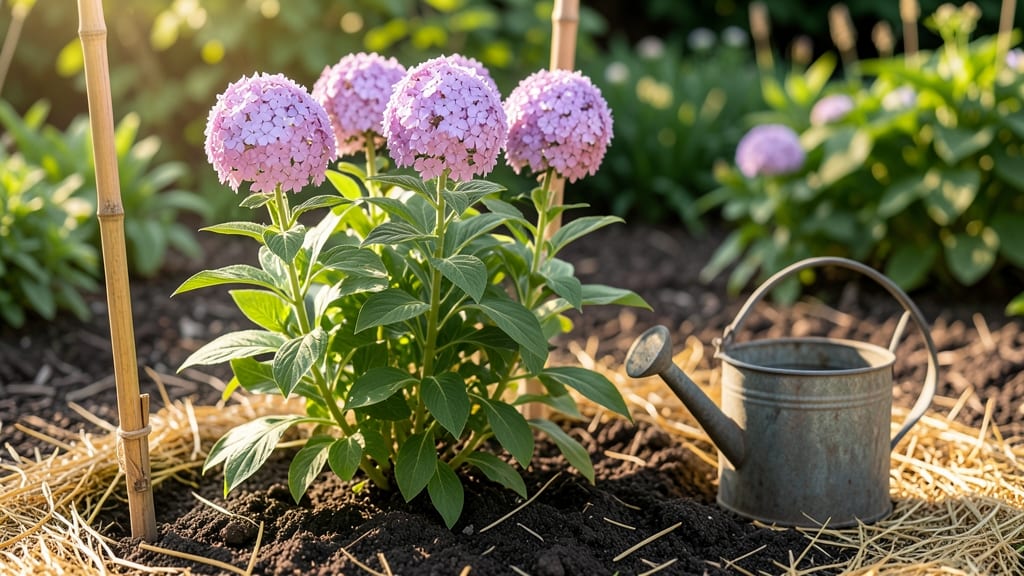
How to grow tall phlox so it reaches for the sky with those vibrant clusters—but only if you nail three things: sunlight, soil, and timing. 🌿 I’ve grown these showstoppers for years, and the difference between floppy stems and 6-foot towers comes down to these basics: full sun, well-draining soil, and strategic pruning. Start with 6+ hours of sunlight daily and soil that drains like a dream—amend heavy clay with compost. Plant in early spring when roots can establish before summer heat hits. Water deeply once a week (more in drought), and never let them wilt. The blooms? They’ll reward you with 3-4 weeks of color if you prune spent stems early and cut back in late fall. No flopping, no fuss—just dramatic, pollinator-loved height.
📚 In This Guide
- What you need
- Instructions
- Tips and common mistakes
- Wrapping up and next steps
What you need
- ● Tall phlox plants: Choose varieties like Phlox paniculata (e.g., 'David,’ ‘Jeana,’ or ‘White Delight’). Buy 3–5 healthy nursery starts or seeds (if starting from scratch).
- ● Well-draining potting mix or garden soil: 5–10 gallons of a blend with 30–40% organic matter (e.g., compost, peat moss, or coconut coir). Avoid heavy clay.
- ● Balanced fertilizer: 10–10–10 or 20–20–20 NPK (granular or liquid). Use 1–2 tbsp per plant at planting and mid-season.
- ● Mulch: 2–3 inches of pine straw, shredded bark, or compost to retain moisture and suppress weeds.
- ● Garden trowel or hand shovel (for planting).
- ● Pruning shears (sharp, 4–6 inch blades for clean cuts).
- ● Gloves (gardening or heavy-duty for thorny stems).
- ● Watering can or hose with a gentle spray nozzle (phlox hates soggy roots!).
- ○ Stakes or plant supports (optional but helpful): 5–6 ft bamboo stakes or metal cages to prevent flopping in wind.
- ● Sunlight: 6+ hours of full sun daily (morning sun + afternoon shade works in hot climates).
- ● Space: 18–24 inches between plants (they’ll spread!).
- ● pH-balanced soil: Aim for 6.0–7.0 pH (test with a soil kit if unsure).
- ● Patience: Tall phlox may take 1–2 years to reach full height (3–5 ft!).
Step-by-Step instructions for growing tall phlox
Here’s how to coax those dramatic, towering phlox blooms from your garden—no shortcuts, just proven techniques.
🌱 Step 1: Choose the Right Location and Prepare the Soil
Tall phlox thrives in full sun to partial shade—think 6 hours of direct sunlight daily, but they’ll tolerate morning sun with afternoon shade in hotter climates. I always pick a spot with well-draining soil because soggy roots lead to rot. If your soil is heavy clay, amend it with 2-3 inches of compost mixed into the top 12 inches of soil.
Dig a hole twice as wide as the root ball but only as deep as the container. Loosen the sides of the hole with a fork to encourage root spread. Tall phlox loves slightly acidic to neutral soil (pH 6.0-7.0)—test your soil if you’re unsure. If it’s too alkaline, work in sulfur or peat moss to adjust.
☀️ Step 2: Plant at the Correct Depth and Spacing
Place the phlox plant so the top of the root ball sits level with the soil surface—burying too deep suffocates the crown. For 4 plants, space them 18-24 inches apart in rows 24 inches apart to allow airflow and prevent mildew. I like to water the hole deeply before planting to settle the soil around roots.
Fill the hole with soil, pressing gently to remove air pockets, but don’t compact it. Water deeply again to encourage roots to spread outward. Mulch with 2-3 inches of shredded bark or straw, keeping it 2 inches away from the stems to prevent rot. This keeps roots cool and moisture consistent.
💧 Step 3: Water Deeply and Maintain Moisture
Water deeply once a week (or more in extreme heat) until the top 6 inches of soil feel damp. Phlox roots run deep, so shallow watering encourages weak, surface roots. You’ll know moisture is right when the soil holds together when squeezed but doesn’t drip. Overwatering is the fastest way to kill phlox—yellowing leaves or mushy stems mean you’re drowning them.
After the first 4-6 weeks, reduce watering slightly but keep the soil evenly moist. Tall phlox is drought-tolerant once established, but wilting blooms mean it’s time to water. I always check soil moisture in the late afternoon—that’s when evaporation gives the most accurate reading.
✂️ Step 4: Prune for Height and Blooms
Cut back dead or faded blooms to just above the first set of healthy leaves every 2-3 weeks during the growing season. This encourages continuous flowering and prevents seed formation, which drains the plant’s energy. I use clean, sharp pruners to avoid tearing stems—dull blades crush tissue, inviting disease.
In early spring, trim back last year’s growth by one-third to promote fresh, vigorous shoots. For taller varieties, stake them before they reach 2 feet with 3-4 foot bamboo stakes tied loosely with soft twine. Never prune after mid-summer—new growth won’t harden off before frost.
🌿 Step 5: Fertilize and Protect for Long-Term Growth
Feed once in early spring with a balanced, slow-release fertilizer (10-10-10) applied at ½ the recommended rate. Too much nitrogen = lush foliage, fewer blooms. I also side-dress with 1 cup of compost around each plant in late spring to boost organic matter. Avoid high-phosphorus fertilizers—phlox blooms are already phosphorus-rich.
Watch for powdery mildew (white fuzzy spots on leaves) in humid summers. Improve airflow by thinning crowded plants and watering at the base (never overhead). If mildew appears, spray with a baking soda solution (1 tsp baking soda + 1 quart water + a drop of dish soap) every 7-10 days until it clears.
Tips & tricks for towering phlox blooms
These insider secrets will help you grow phlox that reaches for the sky—without the guesswork.
Sunlight Strategy: In Step 1, when choosing your location, pay close attention to how sunlight shifts throughout the day. Tall phlox needs that full sun exposure, but if you're in a hot climate, morning sun with afternoon shade prevents stress. I've seen phlox in full sun all day struggle in summer—those afternoon rays can scorch leaves. A trick I use is to plant taller varieties on the north side of shorter plants to create natural shade for them.
Soil Science: The soil pH in Step 1 is non-negotiable for tall phlox. I always test my soil before planting—you can pick up a simple test kit at any garden center. If your soil tests above 7.0, don't just guess with sulfur; test again after amending. Phlox roots are sensitive, and incorrect pH adjustments can do more harm than good. I've learned this the hard way after seeing plants struggle despite my best intentions.
Pruning Precision: In Step 4, when you're pruning those faded blooms every 2-3 weeks, focus on clean cuts just above the first set of healthy leaves. This might seem like a small detail, but I've noticed that leaving even a tiny stub can invite disease. Use pruners that are sharp enough to make a clean cut without crushing the stem—dull blades are a common mistake that leads to weak growth. And remember, those stakes in Step 4 should be inserted before the plant reaches 2 feet, not after it's already leaning.
Watering Wisdom: The deep watering routine in Step 3 is crucial, but timing matters just as much. I've found that watering in the late afternoon, as mentioned, gives the soil time to absorb moisture before evening cools down. This prevents evaporation and ensures the roots get the hydration they need. When checking soil moisture, squeeze a handful—it should hold together but not feel soggy. This simple test tells you everything about your watering routine.
Pro Tips for Grow Tall Phlox
- These insider secrets will help you grow phlox that reaches for the sky—without the guesswork.
- Sunlight Strategy: In Step 1, when choosing your location, pay close attention to how sunlight shifts throughout the day.
- Soil Science: The soil pH in Step 1 is non-negotiable for tall phlox.
Frequently asked questions
Got questions about growing tall phlox? You’re not alone!
Here are answers to the most common concerns—from timing to troubleshooting—to help you cultivate those stunning, towering blooms with confidence.
When is the best time to plant tall phlox for maximum height?
Plant tall phlox in early spring (as soon as the soil is workable) or in early fall (4-6 weeks before the first frost). This gives roots time to establish before extreme heat or cold. Avoid planting in late summer—it may stress the plant and stunt growth. Pro tip: If transplanting mature plants, do it on a cloudy day to reduce shock!
How long does it take for tall phlox to reach its full height?
Most tall phlox varieties (like Phlox paniculata) take 1-2 years to reach their mature height of 3-5 feet. In the first year, focus on root growth—you’ll see minimal flowering. By year two, with proper care, you’ll enjoy those dramatic, spike-like blooms! Patience pays off!
Why isn’t my tall phlox growing tall? Troubleshooting stunted growth.
Stunted growth often stems from poor soil (amend with compost), overcrowding (space plants 2-3 feet apart), or lack of sunlight (ensure 6+ hours of sun daily). Check for pests like slugs or disease (powdery mildew). If the stems are weak, fertilize lightly with a balanced, low-nitrogen formula in early spring. Healthy roots = healthy height!
Can I grow tall phlox in containers? What’s the best setup?
Yes! Use a large container (at least 12 inches deep) with well-draining potting mix and add a time-release fertilizer. Choose a dwarf variety (like ‘David’) if space is tight—these max out at 2-3 feet. Place containers in full sun and water consistently, as pots dry out faster. Bonus: Containers make it easy to move phlox to optimize sunlight!
How do I revive a leggy or floppy tall phlox?
Leggy phlox often results from too much shade or over-fertilizing with nitrogen. Prune back 1/3 of the stems in early summer to encourage bushier growth. Stake tall varieties with soft plant ties or a cage support to prevent flopping. For future plants, ensure 6+ hours of sun and use a low-nitrogen, high-phosphorus fertilizer to promote blooms over foliage.
What’s the secret to getting tall phlox to rebloom?
Deadhead spent blooms regularly to encourage a second flush of flowers. After the first bloom cycle (mid-summer), trim back 1/3 of the plant and fertilize lightly with a phosphorus-rich formula. Water deeply but avoid soggy soil—consistency is key! Some varieties (like ‘White Delight’) are more reliable rebloomers than others.
Wrapping up and next steps
Growing tall phlox is all about patience, the right conditions, and a little TLC! With well-draining soil, 6+ hours of sunlight daily, and consistent watering, you’ll be rewarded with stunning vertical blooms that brighten any garden.
Don’t forget to prune regularly and protect against pests—your hard work will pay off in a show-stopping display of color! 🌸
Ready to transform your garden? Start by picking your favorite phlox variety and follow the steps above. Soon, you’ll have a thriving, towering phlox patch that turns heads—and maybe even inspires your neighbors to try it too! Happy gardening! 🌱