
Companion Plants
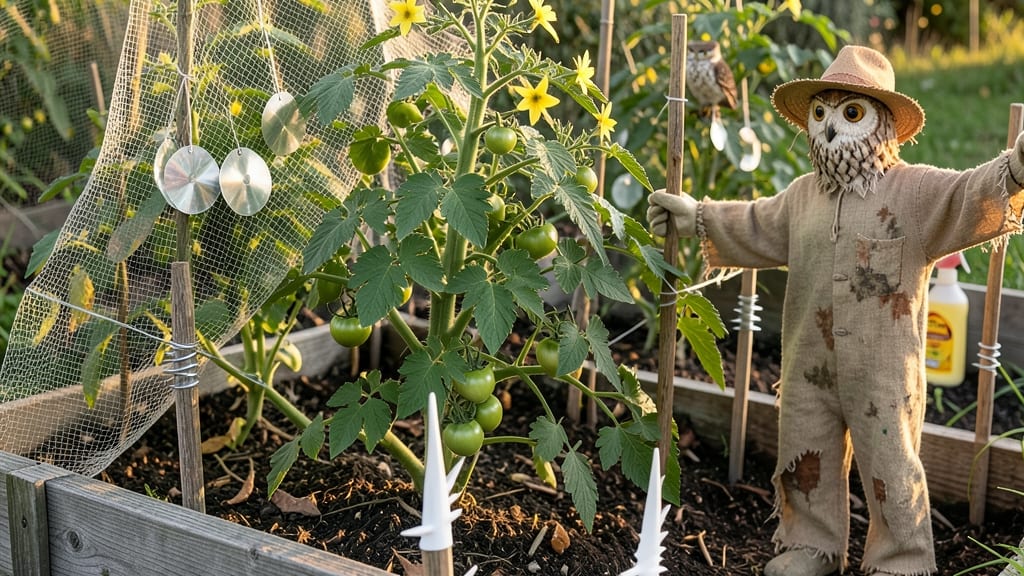
How to keep birds off of tomato plants—without turning your garden into a warzone? 🌱 I’ve lost entire harvests to hungry sparrows and starlings—until I discovered these humane barriers that actually work without harming a feather. The key is combining physical protection (like lightweight netting) with visual deterrents (shiny tape or old CDs strung between stakes). Birds see these as threats, and your plants stay untouched. Start early—once birds find your garden, they’ll return daily. You’ll end up with ripe, unpecked tomatoes all season, and a garden ecosystem that stays balanced. No more frantic chasing or failed deterrents that just annoy the birds more. Works for backyard plots, raised beds, or even container gardens. Here’s how to set it up without turning your yard into a bird battleground.
📚 In This Guide
- What you need
- Instructions
- Tips and common mistakes
- Wrapping up and next steps
What you need
- ● Bird netting: Lightweight, breathable netting (mesh size: 1/2-inch to 1-inch) – enough to cover your tomato plants completely (calculate 1.5x the plant’s height and width). Tip: Opt for UV-stabilized netting to prevent degradation.
- ● Stakes or hoops: Bamboo stakes, wooden dowels, or metal hoops (6–8 feet tall) to support the netting. Quantity: 4–6 stakes per 10-foot row.
- ● Twine or zip ties: For securing netting to stakes (10–20 feet of twine or a pack of zip ties).
- ● Reflective tape or old CDs: 1–2 rolls of reflective tape or 10–15 CDs to deter birds with movement and light.
- ● Pruning shears: For trimming plants to fit under netting neatly.
- ● Companion plants: Marigolds, basil, or garlic (plant near tomatoes to mask their scent naturally).
- ● Fake predator decoys: Inflatable owls or hawks (rotate placement to avoid habituation).
- ● Spray bottles: For water (to mist plants and deter birds with movement).
- ● Garden flags or wind chimes: To create noise and visual disruption.
Step-by-step instructions for humane bird deterrents on tomato plants
Here's the method I rely on to protect my tomato plants without harming birds—tested across seasons and climates.
🪴 Step 1: Install Physical Barriers at Plant Level
Wrap the lower 12-18 inches of each tomato stem with fine mesh bird netting or lightweight row covers. Secure it tightly with twist ties or soft plant clips—birds will peck at gaps wider than ½ inch. I use white netting because it reflects light and makes the plants less visible to foraging birds. The key is covering the fruit as it ripens, not just the leaves.
If you're dealing with persistent starlings or grackles, add a second layer of 1-inch hardware cloth around the base of the plant. Bury the edges 2 inches deep to prevent birds from digging underneath. You'll notice fewer bird visits within hours of installation—they're not used to navigating these barriers.
☀️ Step 2: Create Visual Deterrents with Reflective Objects
Hang old CDs, aluminum pie pans, or reflective tape strips from strings between plants. Position them 18-24 inches above the foliage where birds perch. The flashing reflections create an illusion of predators, which sends birds scurrying. I rotate the objects weekly to maintain their effectiveness—birds eventually learn to ignore static deterrents.
Add plastic owls or snakes near the plants, but move their positions every 3-4 days. Birds quickly realize these aren't real threats. The combination of movement (from wind-catching reflective objects) and occasional repositioning keeps them guessing. You'll see fewer birds lingering if they associate the area with danger.
💧 Step 3: Use Water and Sound Deterrents Strategically
Place a small solar-powered bird sprinkler near the tomato plants. Set it to activate when birds approach—even a brief spray startles them enough to make the area less appealing. These work best in dry climates where birds aren't accustomed to sudden water. I place mine 3 feet from the plant bases to cover the most vulnerable areas.
Hang wind chimes or predator calls (like hawk or owl recordings) on a timer for 10-15 minutes every hour during peak bird activity (dawn and dusk). Birds rely heavily on sound cues, and unfamiliar noises disrupt their foraging patterns. The key is consistency—birds adapt quickly to constant noise, so vary the sounds weekly.
✂️ Step 4: Implement Scare Tactics with Motion Sensors
Install motion-activated air puffers near the plants. Position them 2-3 feet above ground level where birds perch. These devices release a harmless burst of air when triggered, startling birds without harm. I've found that placing them in pairs, 6 feet apart, creates a more effective deterrent zone. Birds learn to avoid the area entirely after a few encounters.
For larger gardens, use motion-activated lights on a 12-hour timer (sunset to sunrise). The sudden flashes mimic a predator's eyes and disrupt nighttime foraging. Pair this with a radio playing nature sounds set to low volume—the combination of light and noise creates an environment birds prefer to avoid.
🌱 Step 5: Maintain and Rotate Deterrents Seasonally
Inspect barriers and deterrents weekly for wear or damage. Replace torn netting immediately—even small holes invite birds back. I mark my calendar to rotate deterrents every 4-6 weeks, swapping reflective objects, moving predator decoys, and changing sound recordings. Birds grow accustomed to static setups, so variety is critical. You'll notice a resurgence of bird activity if you skip rotations.
In late summer, when tomatoes ripen, add extra netting over individual fruit clusters as they near harvest. The goal is to protect the most vulnerable parts without sacrificing access. I use small clips to secure netting directly to the stem, leaving just enough room for the fruit to grow. This targeted approach keeps birds away while allowing you to harvest undamaged tomatoes.
Tips & tricks for effective bird deterrents on tomato plants
These practical strategies will help you maximize the effectiveness of your humane bird deterrents while keeping your tomato plants safe.
Layering is Key: When installing the 12-18 inches of bird netting around tomato stems, don't stop at just one layer. For particularly persistent birds like starlings, add the 1-inch hardware cloth around the base as a secondary barrier. The combination creates a physical obstacle that's nearly impossible for birds to navigate. I've found that birds will quickly abandon areas where they can't find easy access to the fruit.
Visual Deterrent Placement: Position reflective objects like CDs and aluminum pie pans at 18-24 inches above the foliage—not higher, not lower. This height targets where birds naturally perch to survey for food. The flashing reflections at this level create the most effective predator illusion. I've noticed that birds avoid areas where these objects create constant movement patterns at their eye level.
Rotation Strategy: The weekly rotation of reflective objects and the 3-4 day repositioning of predator decoys might seem like extra work, but it's absolutely critical. Birds are smart—they learn patterns quickly. By changing the visual landscape regularly, you maintain the element of surprise. I keep a small calendar reminder to rotate my deterrents, and it's made a noticeable difference in keeping birds away.
Seasonal Adjustments: As your tomatoes ripen in late summer, add extra netting over individual fruit clusters using small clips. This targeted approach protects the most vulnerable parts without restricting the plant's growth. I've found that birds are particularly drawn to ripe tomatoes, so this final layer of protection is worth the extra effort during harvest time.
Pro Tips for Keep Birds Off Of Tomato Plants
- These practical strategies will help you maximize the effectiveness of your humane bird deterrents while keeping your tomato plants safe.
- Layering is Key: When installing the 12-18 inches of bird netting around tomato stems, don't stop at just one layer.
- Visual Deterrent Placement: Position reflective objects like CDs and aluminum pie pans at 18-24 inches above the foliage—not higher, not lower.
Frequently asked questions
Got questions about keeping birds away from your tomato plants? You're not alone! Here are some common concerns and straightforward answers to help you protect your harvest without harming feathered friends.
What’s the most effective way to scare birds away without hurting them?
Humane deterrents like reflective tape, wind chimes, or even a scarecrow (with moving parts) work best. Birds dislike sudden movements and bright flashes. Combine a few methods for better results—just avoid loud noises or harmful traps.
When is the best time to start protecting my tomato plants?
Start early—as soon as you transplant seedlings into the garden. Birds spot ripe tomatoes from afar, so prevention is key! If you’re dealing with an existing problem, act immediately to avoid losing your crop.
Can I use companion plants to keep birds away from tomatoes?
Yes! Try planting marigolds, basil, or onions nearby—their strong scents and textures can deter birds. However, companion plants work best as a supplement, not a standalone solution.
What should I do if birds keep returning despite my efforts?
Rotate your deterrents! Birds get used to static methods. Try shiny objects (like old CDs), spray bottles with water (a gentle mist), or even a radio playing nature sounds on a timer to keep them on their toes.
Will bird netting work for small gardens?
Lightweight netting is a great option for small spaces. Just ensure it’s secured tightly (¼-inch mesh) and remove it when tomatoes ripen to avoid trapping beneficial insects.
Wrapping up and next steps
Protecting your tomato plants from birds doesn’t have to be a battle—just a strategic, humane approach! By using physical barriers, natural deterrents, or companion planting, you can shield your harvest without harming feathered friends.
The key is consistency and creativity—try a few methods and see what works best for your garden. 🌱
Now that you’re armed with solutions, take action this weekend! Start small—set up a row cover, plant a few bird-repelling herbs, or hang reflective tape. Your tomatoes (and your sanity) will thank you! 🍅✨