
Propagation
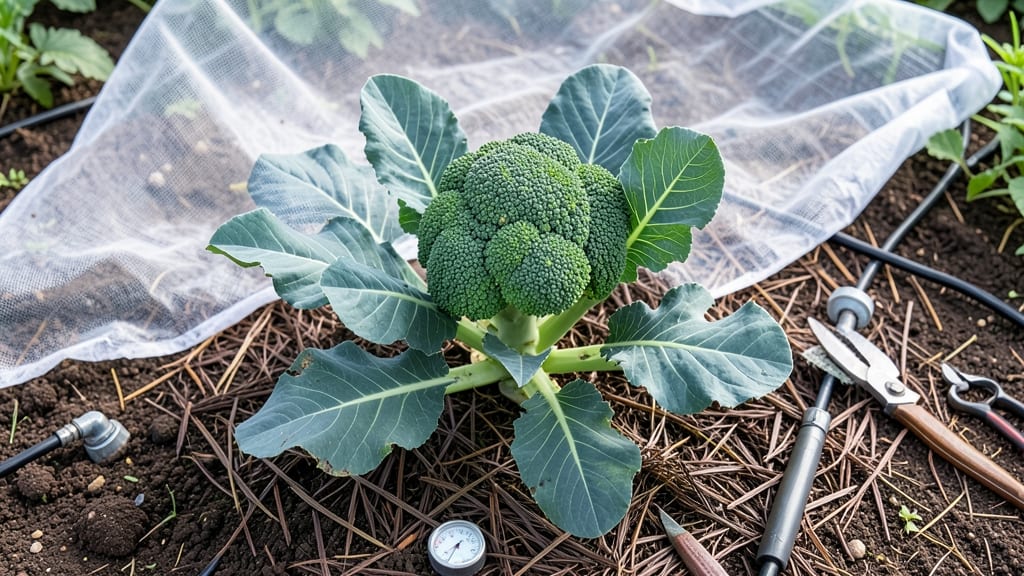
How to keep broccoli from bolting—your plants are sending up flower stalks too soon. 🌱 The bitter truth? Bolting happens when heat, stress, or maturity tricks them into focusing on seeds instead of those crisp, green heads you planted for. But here's the good news: with a few cool-weather strategies, you can stretch your harvest by weeks—even in hot summers.
First, beat the heat with shade cloth (30-50%) during peak afternoon sun—it buys you critical time. Then, water deeply but infrequently to avoid stress; broccoli hates soggy roots but also wilts under inconsistent moisture.
Choose heat-tolerant varieties like 'Calabrese' or 'De Cicco' if your zone gets above 75°F regularly, and space plants 18-24 inches apart to improve airflow and reduce competition.
You'll notice the difference in just a few days: slower leaf yellowing, firmer stems, and heads that stay compact instead of stretching upward. The secret weapon? Mulch heavily with straw or grass clippings to keep roots cool and soil moisture even.
Even if some plants bolt, you'll still get a second harvest from side shoots that form lower on the stem.
For next season, plan ahead: succession plant every 2-3 weeks for continuous harvests, and consider a fall crop when temperatures dip below 70°F. Bolting isn't inevitable—it's a battle you can win with the right timing and care. Let's get those heads growing the way they should.
📚 In This Guide
- What you need
- Instructions
- Tips and common mistakes
- Wrapping up and next steps
What you need
- ● Broccoli plants: Healthy seedlings or transplants (choose slow-bolting varieties like ‘Waltham 29’ or ‘De Cicco’)
- ● Garden soil: Well-draining, nutrient-rich soil (pH 6.0–7.0). Mix in 2–3 inches of compost per square foot.
- ● Organic mulch: Straw (3–4 inches thick)
- ● Pine needles or wood chips (for acid-loving varieties)
- ● Shade cloth: 30–50% shade fabric (enough to cover plants during peak sun, ~10’ x 10’ for a small patch).
- ● Drip irrigation or soaker hoses: For consistent moisture (avoid overhead watering).
- ● Fertilizer: Balanced organic fertilizer (e.g., 5-5-5 or 10-10-10)
- ● OR compost tea (for a gentle nutrient boost)
- ○ Cold frames or low tunnels (optional but helpful): Clear plastic or glass structures to extend the cool season (e.g., 2’ x 4’ frames).
- ● Pruning shears: Sharp, clean shears for trimming bolts or side shoots.
- ● Row covers: Lightweight fabric to protect from late frosts or heat spikes.
- ● Thermometer: Soil or air thermometer to monitor temps (ideal range: 55–75°F).
- ● Epsom salt: 1 tablespoon per plant (every 3–4 weeks) to prevent magnesium deficiency (a common bolt trigger).
- ● Succession planting supplies: Seed trays or pots for replanting as older plants bolt.
- ● Pest deterrents: Neem oil or row covers to protect from cabbage worms or aphids (stress can trigger bolting!).
Step-by-step instructions for preventing broccoli bolting
Here's how I keep my broccoli producing for weeks—no sudden flowering in sight.
🌿 Step 1: Choose the Right Variety for Your Climate
Start with bolt-resistant varieties like 'Waltham 29' or 'Calabrese'—they handle heat better than standard types. I always check seed packets for "heat-tolerant" labels. These varieties delay bolting by 10-14 days compared to standard broccoli, giving you more harvest time.
If you're in a warm region, look for Italian or Sicilian varieties—they mature faster and bolt later. The key is matching the plant's natural cycle to your local growing season. Plant early varieties in early spring and late varieties in late summer for staggered harvests.
☀️ Step 2: Provide Consistent Cool Weather Conditions
Broccoli bolts when temperatures climb above 75°F for prolonged periods. I use shade cloth (30-50%) during afternoon heat to keep leaf temps below 80°F. You'll see plants struggling when leaves start yellowing or stems elongate rapidly—these are early warning signs.
Water deeply in the morning to cool the soil and roots. Mulch with 2-3 inches of straw to keep soil temps stable. I've found that drip irrigation (instead of overhead watering) prevents heat stress on leaves while maintaining even moisture.
💧 Step 3: Maintain Even Moisture Without Overwatering
Keep soil consistently moist but never soggy—broccoli roots need oxygen. I water when the top 1-2 inches of soil feel dry to the touch. Overwatering stresses plants, making them more susceptible to bolting. You'll know moisture is right when the soil looks dark and crumbly, not light and powdery.
Use a moisture meter for accuracy, especially in hot weather. I've seen plants bolt prematurely when soil dried out completely between waterings. If you notice the outer leaves curling inward, that's a sign of moisture stress—water immediately and provide afternoon shade.
✂️ Step 4: Harvest Strategically to Extend Production
Harvest the main head when it's fully formed but before the small buds in the center open. Cut the stem 5-6 inches below the head to encourage side shoots. I've had plants produce 3-5 side shoots after main harvest when managed this way.
Remove any yellowing or flowering stems immediately—they drain energy from new growth. I check plants every 2-3 days during peak production. The more you harvest, the more the plant focuses on producing new heads instead of bolting.
🌱 Step 5: Plan for Seasonal Successions
Plant successive crops every 2-3 weeks to ensure a continuous supply. I start with early varieties in spring, followed by mid-season types, then heat-tolerant varieties in late summer. This staggered approach means I always have some plants in the cool-weather window.
Use row covers for early spring plantings to protect from late frosts while keeping soil temps stable. I've found that plants established in 50-60°F soil bolt 2-3 weeks later than those in cooler conditions. The secret is giving each planting its own ideal growing window.
Tips & tricks for preventing broccoli bolting
Real talk: I've lost entire broccoli crops to bolting—here's what I learned the hard way about keeping those plants happy and producing.
Variety Selection Matters: Those 10-14 days of delayed bolting from heat-tolerant varieties like 'Waltham 29' make all the difference in hotter climates. I now plant Italian varieties in my summer garden because they mature faster while still resisting the heat better than standard types. Check seed packets for "heat-tolerant" labels—it's worth the extra attention.
Temperature Watch: The 75°F threshold is critical—when temps climb above that for more than a few hours, your plants start stressing. I've found that using shade cloth during afternoon heat (when temps often peak) keeps leaf temperatures below 80°F and prevents that early bolting signal. Look for yellowing leaves or rapidly elongating stems—they're your first warning signs.
Harvest Timing Secret: That 5-6 inch cut below the main head isn't just about encouraging side shoots—it's about energy management. When you harvest the main head at the right time (fully formed but before center buds open), the plant redirects its energy to producing 3-5 new side shoots instead of bolting. I check plants every 2-3 days during peak season to catch this perfect window.
Pro Tips for Keep Broccoli From Bolting
- Real talk: I've lost entire broccoli crops to bolting—here's what I learned the hard way about keeping those plants happy and producing.
- Variety Selection Matters: Those 10-14 days of delayed bolting from heat-tolerant varieties like 'Waltham 29' make all the difference in hotter climates.
- Temperature Watch: The 75°F threshold is critical—when temps climb above that for more than a few hours, your plants start stressing.
Frequently asked questions
Got questions about preventing broccoli bolting? You’re not alone!
Here are some of the most common concerns—and practical solutions—to help you keep your broccoli thriving and productive.
Why does broccoli bolt in warm weather?
Broccoli is a cool-season crop, and when temperatures rise above 75°F (24°C), it triggers bolting (flowering) as a survival mechanism. The plant shifts energy from leafy growth to seed production, ruining your harvest. Solution: Plant in early spring or fall, use shade cloth, or opt for bolt-resistant varieties like 'De Cicco' or 'Calabrese.'
How soon after planting can I expect bolting?
Bolting can start as early as 4–6 weeks in hot conditions, but it’s more common after 6–8 weeks of warm weather. If your plants are young (3–4 weeks old), they may still recover with cooler temps or shade. Pro tip: Monitor soil temps—keep them below 70°F (21°C) for best results.
Can I save a broccoli plant that’s already bolting?
Once bolting starts, the plant won’t produce edible heads, but you can still harvest the side shoots (tiny broccoli florets) for 2–4 weeks after the main head forms. Bonus: Let a few plants bolt to collect seeds for next season!
Is there a way to delay bolting without shade cloth?
Yes! Try these tricks:
- Water deeply to keep soil cool (dry soil speeds up bolting).
- Use mulch (straw or grass clippings) to insulate roots.
- Harvest early—cut heads when small to reduce stress on the plant.
- Succession plant every 2–3 weeks for a staggered harvest.
For extreme heat, move pots to a shadier spot or extend the season with row covers.
What’s the best alternative if broccoli keeps bolting in my climate?
If your summers are too hot for broccoli, try these bolt-resistant alternatives:
- Kale (tolerates heat better, harvest leaves as needed).
- Cauliflower (some varieties like 'Snowball' handle warmth okay).
- Collard greens (thrives in heat, great for late-summer planting).
- Mustard greens (fast-growing and heat-tolerant).
For a broccoli-like flavor, try broccolini—it’s more heat-tolerant than traditional broccoli!
Wrapping up and next steps
Keeping broccoli from bolting is all about timing, temperature, and a little extra care—but don’t let the challenge discourage you! With the right techniques, like choosing cool-season varieties, proper spacing, and strategic watering, you can enjoy a longer, more abundant harvest. 🌱
Now that you’re armed with these tricks, why not put them into action? Start by planting a fresh batch of broccoli this season and watch your garden thrive. Happy growing! 🌟