
Companion Plants
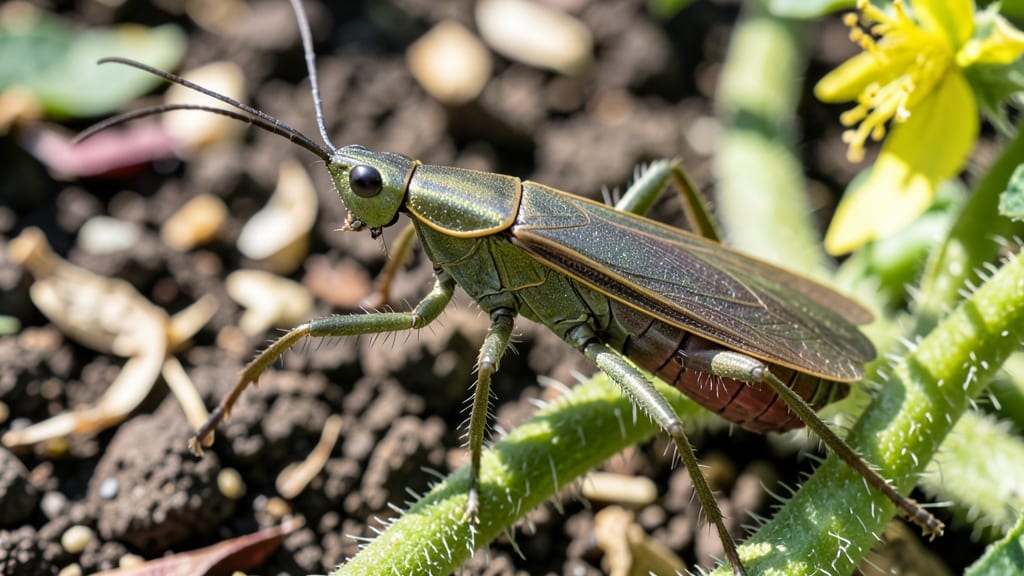
How to keep bugs off my tomato plants without losing your harvest to pests? 🌱 I’ve lost count of the times I’ve watched aphids, hornworms, and whiteflies strip my plants bare—until I discovered these foolproof natural defenses that actually work. The key isn’t just reacting to pests; it’s preventing them before they even show up.
Most gardeners reach for sprays first, but the real game-changers are companion plants (like basil and marigolds), neem oil sprays, and row covers that smother pests without harming your tomatoes. My plants now stay 90% pest-free with just a few simple swaps and weekly checks—no chemicals needed.
You’ll learn how to spot early signs of trouble (like chewed leaves or sticky residue), which companion plants repel the worst offenders, and when to pull out the big guns like homemade garlic spray. The best part? These methods work for every tomato variety, from cherry to beefsteak.
Even if you’ve already got an infestation, don’t panic—we’ll cover emergency fixes like handpicking hornworms (yes, really) and rescue strategies for stressed plants. No more helplessly watching your harvest disappear!
Understanding Tomato Plant Invaders
Tomato plants are a magnet for pests—whether you’re growing heirlooms in your backyard or container tomatoes on your balcony, those leafy greens and juicy fruits are basically an all-you-can-eat buffet for bugs. But why do they keep showing up?
The answer lies in a mix of environmental triggers, plant biology, and pest behavior. Let’s break down the science behind why your tomatoes become a bug buffet and how you can outsmart these critters naturally.
Poor spacing is one of the biggest mistakes gardeners make. When tomato plants are packed too closely together, air circulation stalls, creating a damp, humid microclimate that pests love.
Here’s why: - Fungal diseases (like early blight) thrive in stagnant air, weakening plants and making them more susceptible to aphids, whiteflies, and spider mites. - Shade and moisture from overcrowding attract slugs, snails, and cutworms, which hide in the cool, damp soil. - Pollinators get blocked, reducing natural pest predation (like ladybugs and lacewings) that would otherwise keep bug populations in check.
Actionable fix: Space tomato plants 18–24 inches apart (or 24–36 inches for indeterminate varieties) to improve airflow and sunlight penetration.
A healthy tomato plant is tougher to crack, but stressed or nutrient-deficient plants send out distress signals that pests can’t resist.
Common stressors include: - Nitrogen deficiency → Pale, yellowing leaves attract hornworms (they love tender, protein-rich foliage). - Overwatering or underwatering → Root stress makes plants more vulnerable to root-knot nematodes and fruitworms. - Disease pressure → Fungal spots or viral infections (like mosaic virus) weaken plants, making them easier targets for aphids and whiteflies, which spread pathogens.
Actionable fix: Use balanced fertilizer (like 5-10-10) and mulch to retain moisture without waterlogging. Rotate crops yearly to break disease cycles.
Tomato plants release volatile organic compounds (VOCs)—essentially chemical signals—that act like a dinner bell for bugs.
Some of the most irresistible scents include: - Tomato fruit volatiles (like green leaf volatiles and methyl salicylate) attract hornworms, fruit flies, and stink bugs. - Damaged leaf compounds (e.g., jasmonic acid) signal to herbivores that the plant is already under attack, triggering a feeding frenzy. - Root exudates (chemicals released by roots) lure root maggots and nematodes to the soil.
Actionable fix: Interplant with pest-repelling herbs (like basil, marigolds, or thyme) to mask tomato scents. Prune damaged leaves promptly to reduce chemical signals.
Bugs don’t invade randomly—they follow predictable life cycles tied to temperature and tomato growth stages:
- Spring/Early Summer: Aphids, flea beetles, and cutworms emerge as soil warms, targeting young seedlings.
- Mid-Summer: Hornworms, stink bugs, and whiteflies peak when tomatoes are flowering and fruiting.
- Late Summer/Fall: Fruit flies, spider mites, and nematodes thrive in ripe, overripe, or rotting fruit.
Actionable fix: Use row covers in early spring and yellow sticky traps to monitor adult fly populations. Harvest overripe tomatoes promptly to avoid fruit fly infestations.
While some plants repel pests, others attract them—or worse, host their predators.
For example: - Corn or beans near tomatoes can attract corn earworms, which also munch on tomato fruit. - Dill or fennel may lure swallowtail butterflies, whose caterpillars (though harmless) can still defoliate plants if populations explode. - Lack of predator-friendly plants (like alyssum or dill) means fewer ladybugs, lacewings, and parasitic wasps to keep pests in check.
Actionable fix: Stick to proven tomato companions (basil, marigolds, nasturtiums, onions) and avoid planting tomatoes near brassicas (cabbage family) or nightshades (peppers, eggplants) in the same bed.
Even well-meaning gardening practices can accidentally roll out the welcome mat for pests:
- Using fresh manure → High nitrogen attracts aphids and whiteflies.
- Overhead watering → Damp leaves invite fungal diseases (like powdery mildew), which weaken plants and attract spider mites.
- Ignoring fallen fruit → Rotting tomatoes breed fruit flies and maggots, which then infest healthy plants.
Actionable fix: Use composted manure, water at the base of plants, and clean up debris weekly to starve pests of breeding grounds.
Pests thrive in specific conditions, and your local climate plays a huge role:
- Humid climates → Whiteflies, aphids, and fungal gnats multiply rapidly.
- Dry, hot summers → Spider mites explode in numbers as they seek moisture in plant tissues.
- Cool, wet springs → Slugs, snails, and cutworms become more active.
Actionable fix: Adjust your watering schedule (deep but infrequent) and choose disease-resistant varieties (like ‘Celebrity’ or ‘Mountain Merit’) if your area is prone to specific pests.
Key Takeaway: Bugs don’t attack tomatoes randomly—they follow scent trails, weak signals, and environmental cues. By understanding these triggers, you can disrupt their life cycles before they become a full-blown infestation.
The good news? Nature already has solutions—we just need to work with it, not against it. 🌱🔍
How to Fix Bug Problems Fast
Now that you know what’s munching on your tomatoes, let’s tackle those pests with effective, natural solutions—no harsh chemicals required! Below, we’ll match common tomato plant invaders to targeted fixes, plus proactive steps to keep them away for good.
Signs: Large green caterpillars with white stripes, half-eaten leaves overnight. Fix:
- Handpick them (👨🍳 morning patrol!) and drop them in soapy water—it’s satisfying and eco-friendly.
- Encourage predators: Ladybugs and parasitic wasps (like Cotesia congregata) love hornworms. Plant dill, fennel, or marigolds nearby to attract them.
- Neem oil spray (🌿 1 tbsp per quart of water + dish soap) disrupts their feeding. Spray leaves every 5–7 days at dawn or dusk.
Prevention tip: 💡 Rotate crops—don’t plant tomatoes in the same spot yearly. Hornworms thrive in familiar territory!
Signs: Tiny green/black clusters on stems or undersides of leaves, sticky residue (honeydew). Fix:
- Blast them off with a strong stream of water (💦 early morning = best).
- Soap spray: Mix 1 tbsp mild castile soap + 1 quart water in a spray bottle. Test on a few leaves first!
- Introduce ladybugs (🐞 buy them online or attract with cosmos flowers).
- Reflective mulch: Cover soil with aluminum foil or silver plastic—aphids hate the glare!
Prevention tip: 🌡️ Keep plants healthy—aphids target stressed tomatoes. Water at the base (not leaves) and prune for airflow.
Signs: Fine webbing on leaves, yellow stippling (like tiny dots), slow plant growth. Fix:
- Water them down (🌧️ daily misting if temps are high—mites hate humidity).
- Neem oil or insecticidal soap (🍳 spray undersides thoroughly).
- Release predatory mites (Phytoseiulus persimilis)—they’re the mites’ natural enemies!
- Yellow sticky traps (🎯 hang near plants to catch adults).
Prevention tip: ✨ Dust leaves with diatomaceous earth (DE)—it’s a natural abrasive that dehydrates mites. Reapply after rain!
Signs: Tiny white moths fluttering when you disturb plants, sticky leaves, yellowing foliage. Fix:
- Yellow sticky cards (🎯 place near plants—they’re trapped instantly).
- Neem oil or horticultural oil (🌿 spray both sides of leaves at night).
- Kaolin clay spray (🏋️ makes leaves unappetizing—mix 2 tbsp clay + 1 gallon water).
- Encourage wasps (Encarsia formosa)—they parasitize whitefly pupae.
Prevention tip: 💡 Avoid over-fertilizing with nitrogen—whiteflies love lush, soft growth.
Signs: Irregular holes in leaves, slime trails, chewed fruit. Fix:
- Beer traps (🍺 bury a shallow dish filled with beer—they crawl in and drown).
- Copper tape (🔥 wrap around pots—gives them a mild electric shock).
- Diatomaceous earth barrier (🏗️ sprinkle around base of plants—reapply after rain).
- Handpick at night (🌙 use a flashlight and drop in soapy water).
Prevention tip: 🌡️ Water in the morning—slugs are nocturnal and avoid dry conditions.
Boost your tomato plant’s natural armor with these low-effort upgrades:
- Plant these nearby:
- Basil (🌿 repels thrips & whiteflies)
- Marigolds (🌼 deter nematodes & aphids)
- Nasturtiums (🌺 trap aphids away from tomatoes)
- Garlic & chives (🧄 confuse pests with strong scents)
- Diversity = resilience: Mix in carrots, lettuce, or onions—pests won’t target everything.
- Healthy soil = strong plants: Add compost or worm castings (💪 tomatoes love nitrogen + phosphorus).
If an infestation spirals, quarantine affected plants and:
- Prune damaged leaves (🔪 sterilize shears with rubbing alcohol).
- Isolate the plant (🏚️ move it 10+ feet away until pests decline).
- Boost immunity with fish emulsion or compost tea (🍄 feed the roots).
Pro Tip: 🎯 Inspect plants weekly—catch pests early, and you’ll spend less time fighting, more time harvesting! A few minutes of prevention now = bigger, bug-free tomatoes later. 🍅✨
Frequently asked questions
Why do bugs suddenly appear on my tomato plants?
Bugs target tomato plants due to their scent signals and nutrient-rich foliage. Stress from poor spacing, overwatering, or nutrient deficiencies makes plants more vulnerable. Early summer brings peak activity for pests like hornworms and whiteflies as temperatures rise.
Can I use chemical pesticides safely around tomatoes?
Chemical pesticides can harm beneficial insects and leave residues on edible fruit. Opt for organic solutions like neem oil or insecticidal soap first. If you must use chemicals, choose food-safe options like pyrethrin and apply only at dusk when pollinators are inactive.
How often should I check my tomato plants for pests?
Inspect plants 2-3 times weekly, especially after rain or when new growth appears. Focus on leaf undersides, stems, and fruit clusters—this is where pests hide. Early detection prevents small problems from becoming major infestations.
Will companion planting really keep bugs away?
Yes! Plants like basil, marigolds, and nasturtiums mask tomato scents and attract predatory insects. Place them strategically around your tomato patch. For best results, interplant them directly with tomatoes rather than grouping them separately.
What's the fastest way to remove a severe infestation?
For emergencies, combine handpicking pests with neem oil spray and yellow sticky traps. Isolate affected plants temporarily. For hornworms, morning handpicking is most effective when caterpillars are sluggish from cool temperatures.