
Tools
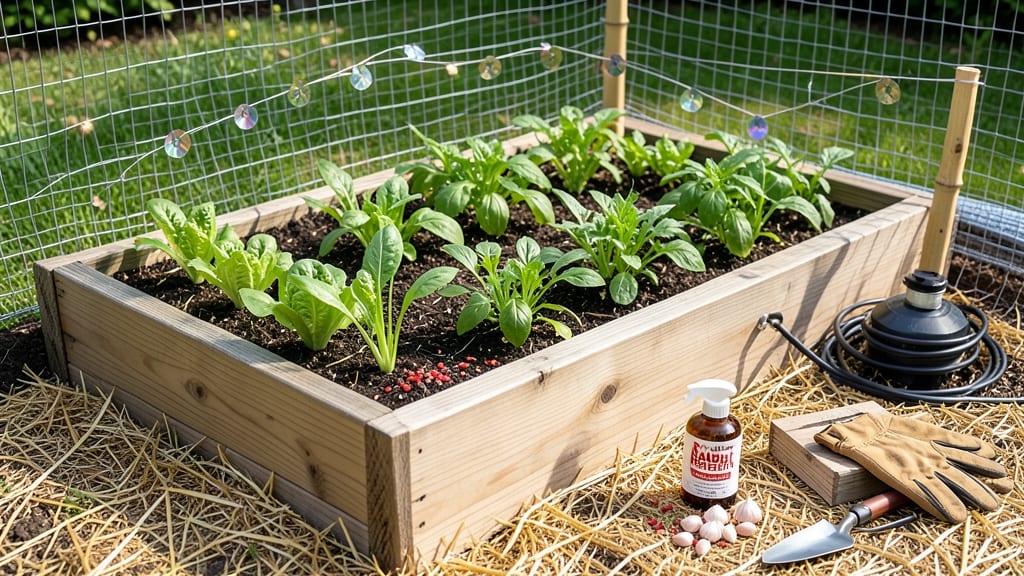
How to keep bunnies out of your vegetable garden before they turn your hard work into a salad bar overnight—it’s possible with the right strategies. 🌱 I’ve lost entire rows of lettuce and carrots to these furry thieves, but I’ve also learned which physical barriers actually work without harming the rabbits or the environment.
The best solutions combine chicken wire, hardware cloth, and buried edges to create a fortress your plants can grow in but rabbits can’t chew through. No more toxic sprays or cruel traps—just smart design that keeps your harvest safe while giving bunnies a wide berth.
By the time you’re done, you’ll have a foolproof system that works for lettuce, carrots, and even young tomato plants. The key is burying the barrier deep enough that rabbits can’t dig under it—something I wish I’d known before my first failed attempt.
Works in raised beds, in-ground gardens, and even container setups. Here’s exactly how to build it—step by step—so you can finally grow what you plant without waking up to a garden full of rabbit holes.
📚 In This Guide
- What you need
- Instructions
- Tips and common mistakes
- Wrapping up and next steps
What you need
- ● Hardware cloth or wire mesh: 1/4-inch (or smaller) mesh (at least 3–4 feet tall, depending on garden size). Quantity: Enough to cover all garden edges + extra for repairs.
- ● Stakes or posts: Galvanized or treated wood/stakes (12–18 inches long). Quantity: 1 stake every 2–3 feet around the perimeter.
- ● Heavy-duty zip ties or fencing staples: For securing mesh to stakes.
- ● Garden twine or wire: To reinforce connections.
- ● Gloves and work gloves: For handling sharp materials.
- ● Measuring tape: To ensure consistent spacing.
- ● Scissors or wire cutters: For trimming mesh.
- ○ Shovel or post hole digger: If burying the mesh (optional but recommended).
- ● Bendable wire or chicken wire: For extra reinforcement in high-risk areas.
- ● Motion-activated sprinklers: Deters bunnies with a surprise spray.
- ● Decoy predators (plastic owls/snakes): Temporary distraction (replace weekly!).
- ● Landscape fabric: To block burrowing under the fence.
- ● Concrete fence posts: For ultra-sturdy setups (if bunnies are persistent!).
Step-by-Step instructions for creating bunny-proof garden barriers
Here’s the method I’ve used for years to protect my garden—no chemicals, just clever, effective physical barriers.
🪴 Step 1: Assess Your Garden’s Weak Spots
Start by walking your garden’s perimeter and identifying where bunnies are most likely to enter. Look for low-lying areas, gaps between fences, or spots where plants are already chewed. Bunnies prefer to hop rather than climb, so they’ll target the easiest entry points—usually near the ground.
Check for existing damage like nibbled leaves or dug-up soil. If you’ve had bunnies before, they’ll return to familiar spots. Mark these areas with flags or stakes so you can focus your barriers there first. I always start with the most vulnerable plants—young seedlings or tender greens are their favorite snacks.
✂️ Step 2: Install a Sturdy Outer Fence
Bunnies can squeeze through gaps as small as 4 inches, so your fence must be at least 2 feet tall and buried 6 inches deep to block digging. Use hardware cloth (1/2-inch mesh) or plastic-coated wire—these materials won’t rust and are nearly impossible for bunnies to chew through.
Drive the fence 6-8 inches into the ground along the perimeter, then bend the top outward slightly to create a slight overhang. This prevents bunnies from jumping over it. For extra security, add a 12-inch apron of wire along the inside of the fence to stop them from digging underneath. I’ve seen bunnies try to burrow right up to the fence line—this stops them cold.
🌱 Step 3: Add Temporary Protective Covers
For young plants or high-value crops, use floating row covers or lightweight fabric tunnels to create a physical barrier. These should be secured tightly at the edges with rocks or stakes—bunnies can push through loose fabric. Leave the covers off during pollination if you’re growing flowers or fruiting plants, but replace them as soon as flowers fade.
If you’re dealing with a small garden, individual plant collars made from hardware cloth strips (12-18 inches tall) work well. Bend the bottom edges outward to create a skirt that blocks bunnies from reaching the stems. I’ve used these around my lettuce and kale, and not a single leaf has been touched since.
💧 Step 4: Create Natural Deterrents Around the Perimeter
Bunnies dislike strong smells, so plant deterrent herbs like rosemary, thyme, or lavender along the garden’s edge. These not only repel bunnies but also add beauty and fragrance. Another trick? Sprinkle crushed red pepper flakes or garlic powder around the base of plants—it’s harmless to your garden but unpleasant for bunnies.
Keep the area around your garden tidy and free of hiding spots. Overgrown grass or brush gives bunnies cover to approach undetected. Trim back weeds and clear debris regularly. I also place old CDs or pie plates near the fence line—the reflective surfaces and noise scare them off without harming the environment.
⏰ Step 5: Monitor and Adjust as Needed
Check your barriers weekly for gaps, damage, or signs of bunny activity. If you notice new chew marks, reinforce weak spots immediately. Bunnies are persistent, so don’t assume one barrier will last forever—adjust as needed based on their behavior.
If you’re dealing with a determined bunny population, consider multiple layers of defense. For example, combine the outer fence with row covers and deterrent plants for the best results. I’ve had to upgrade my setup a few times, but once you see the difference in your garden’s survival rate, it’s worth the effort.
Tips & tricks for effective garden barriers
Real talk: The key to keeping bunnies out isn't just about building a fence—it's about understanding their sneaky habits and planning strategically.
Visual Cues for Step 1: In Step 1, when assessing weak spots, look for fresh droppings or flattened grass trails—these are bunny highways. I've found that bunnies often create these paths to their favorite snacks, so follow them back to the source. Also, check for burrow entrances near your garden edges; they'll dig tunnels right up to your plants if given the chance.
Material Matters in Step 2: While hardware cloth is ideal for Step 2, chicken wire won't cut it—bunnies can easily chew through it. If you're on a budget, plastic-coated wire is your next best option. For the 6-inch deep burial, use a post hole digger to create a clean trench first; this prevents the fence from shifting over time. Pro tip: Bend the top edges outward like a funnel—this stops bunnies from getting purchase to jump over.
Cover Placement in Step 3: When using row covers in Step 3, secure them tightly at the edges with bricks or heavy stones—not just stakes. I've seen bunnies push through fabric secured only with flimsy stakes. For individual plant collars, make them at least 18 inches tall for leafy greens—they'll try to reach over shorter barriers. And remember, leave covers off during pollination, but replace them immediately after.
Deterrent Strategy in Step 4: The crushed red pepper flakes in Step 4 should be reapplied every 3-4 days when it rains, as water washes away the effectiveness. For the reflective objects, I've had the most success with CDs placed at ground level—they create both visual and auditory deterrents. Plant your deterrent herbs in a 2-foot border around the garden perimeter; bunnies won't risk crossing this fragrant barrier.
Pro Tips for Keep Bunnies Out Of Vegetable Garden
- Real talk: The key to keeping bunnies out isn't just about building a fence—it's about understanding their sneaky habits and planning strategically.
- Visual Cues for Step 1: In Step 1, when assessing weak spots, look for fresh droppings or flattened grass trails—these are bunny highways.
- Material Matters in Step 2: While hardware cloth is ideal for Step 2, chicken wire won't cut it—bunnies can easily chew through it.
Frequently asked questions
Got questions about keeping bunnies out of your veggie patch?
You’re not alone! Here are answers to the most common concerns—so you can protect your plants without stress.
What’s the best time of year to install rabbit-proof barriers?
Install barriers before planting season (early spring) or as soon as you notice rabbit activity. Bunnies start nibbling in early spring, so don’t wait until you see damage! For winter gardens, reinforce barriers in late fall to prevent hungry rabbits from tunneling under.
Will chicken wire work, or do I need something stronger?
Chicken wire is not rabbit-proof—bunnies can chew through it! Use hardware cloth (1/4-inch mesh) or plastic mesh fencing (1/2-inch) buried at least 12 inches deep. For extra security, layer it with wire fencing for added durability.
How long do I need to keep barriers up?
Keep barriers in place year-round if rabbits are a recurring issue. Even in winter, they’ll dig under snow to reach food. If you remove them after harvest, check for fresh tracks or droppings first—better safe than sorry!
Are there natural repellents that work as well as barriers?
Natural repellents like garlic spray, hot pepper wax, or predator urine can help, but they’re not foolproof. Bunnies often adapt to smells. Combine repellents with physical barriers for the best results—think of it like locking your door and setting an alarm!
What do I do if rabbits keep getting in despite my barriers?
First, check for gaps, burrows, or weak spots in your fence. Bury the mesh deeper (12+ inches) and add an outward-facing bend at the top (like a "J" shape) to deter climbers. If the problem persists, consider a livestock guard dog or motion-activated sprinklers as a last resort.
Wrapping up and next steps
Keeping bunnies out of your veggie patch doesn’t have to be a guessing game—it’s all about smart, sturdy barriers and a little persistence! 🐰🚫 Whether you opt for chicken wire, raised beds, or fencing, the key is consistency and proper installation.
Start small, test what works best for your space, and soon your garden will thrive in peace.
Ready to reclaim your garden? Pick one method from this guide, gather your supplies, and get building! Your future harvest—and your sanity—will thank you.