
Propagation
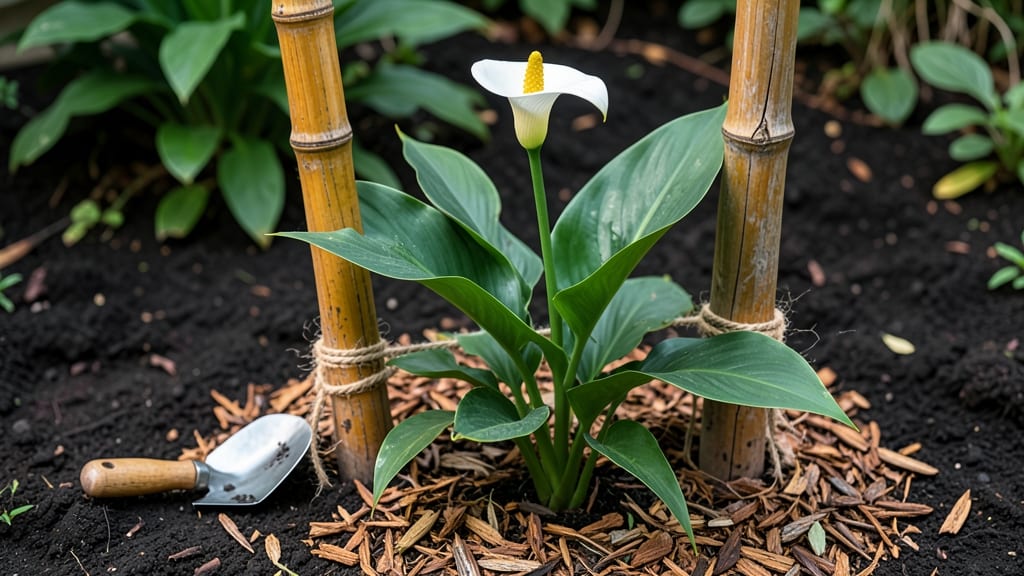
How to keep calla lily from falling over—those elegant blooms can flop like overgrown umbrellas when you least expect it. 🌿 I’ve wrestled with this exact problem—those dramatic flowers drooping before they even show off their full glory. The fix isn’t complicated, but it is strategic: support that stems need is about more than just staking, it’s about understanding why they wobble in the first place.
Overwatering, weak stems, or even just the weight of those showstopping blooms can send calla lilies toppling. The solution? A mix of proper staking (using soft ties and sturdy stakes), soil adjustments (well-draining mix with perlite), and pruning to encourage stronger growth.
My plants now stand tall for weeks—no more sad, leaning blooms.
What you’ll end up with is calla lilies that look like they’re posing for a magazine spread, not struggling against gravity. The stakes disappear into the foliage, the stems stay upright, and you get to enjoy those showstopping blooms without the drama.
It’s a game-changer for any garden bed or container.
Works for both in-ground and container calla lilies, and the same principles apply whether you’re dealing with the classic white varieties or bold, deep-purple hybrids. Let’s get those stems standing tall—permanently.
📚 In This Guide
- What you need
- Instructions
- Tips and common mistakes
- Wrapping up and next steps
What you need
- ● Stakes or Supports: 3–5 bamboo stakes (3–4 feet tall, ¼-inch diameter) or
- ● 1–2 flower-specific stakes (metal or plastic, with flexible loops or spirals) or
- ● 1–2 wooden dowels (3–4 feet tall, ½-inch diameter)
- ● Garden Twine or Soft Plant Ties: 1–2 rolls of jute twine (¼-inch width) or
- ● 1–2 packs of plastic plant ties (reusable, adjustable)
- ● Potting Mix or Garden Soil: Well-draining potting mix (for container-grown calla lilies) or
- ● Amended garden soil (mix with compost or perlite for better drainage)
- ● Hand Trowel or Spade: For gentle soil adjustments if needed.
- ● Watering Can or Hose: To keep the soil moist during staking.
- ● Decorative Stakes: Painted or wrapped stakes to match your garden’s aesthetic.
- ● Fertilizer (Balanced or Low-Nitrogen): To boost root strength (e.g., 10-10-10 or 5-10-5 ratio).
- ● Mulch: Straw or shredded bark to retain moisture and protect roots.
- ● Pruning Shears: For trimming any damaged leaves or stems before staking.
Step-by-Step guide to supporting calla lilies without damaging their grace
Here's how to reinforce calla lilies without ruining their natural beauty—using simple, elegant solutions.
🌱 Step 1: Assess the Plant and Choose the Right Support Method
Start by examining your calla lilies for signs of instability. Look for leaning stems, overly heavy blooms, or new growth that's top-heavy. Calla lilies typically need support when they reach 18-24 inches tall, especially in windy conditions or if planted in loose, sandy soil. I prefer using bamboo stakes or coconut fiber ties because they blend naturally with the foliage.
Choose stakes that are at least 2 feet tall—taller than the plant itself—so you can secure the stem well above the soil line. If your callas are in a cluster, use 3-4 stakes per plant for maximum stability. Avoid metal stakes, which can heat up in sunlight and damage delicate stems.
✂️ Step 2: Install Stakes at the Right Angle and Depth
Drive the stakes into the soil 2-3 inches away from the stem, positioning them at a 45-degree angle away from the plant. This creates a natural triangle of support that prevents the stem from bending under pressure. Use a mallet to tap the stakes in gently—don't force them, or you'll risk damaging the roots. The top of the stake should extend 6-8 inches above the plant's current height.
If your soil is particularly loose or sandy, bury the stakes 6-8 inches deep to ensure they don't wobble. For heavier soil, 4-6 inches deep is sufficient. This depth keeps the stake stable while allowing the plant to grow around it naturally. Avoid driving stakes too close to the stem, or you'll restrict root growth and circulation.
💧 Step 3: Secure the Stem Gently Without Restricting Growth
Use soft, flexible ties like coconut fiber or wide fabric strips to attach the stem to the stake. Start by tying the stem 4-6 inches below the top of the plant, where the stem is sturdy but still flexible. Wrap the tie loosely—tight enough to hold the stem upright but loose enough to allow the plant to sway slightly in the wind. This prevents the tie from cutting into the stem as it thickens.
Make a figure-eight knot or a simple loop, ensuring the tie doesn't press directly against the stem. Check the ties every 7-10 days and adjust as the plant grows. If you notice the stem rubbing against the tie, loosen it immediately. Overly tight ties can leave permanent scars and weaken the plant. For extra elegance, weave the ties through the foliage to hide them naturally.
☀️ Step 4: Monitor and Adjust Support as the Plant Grows
After securing the stakes, watch how the plant responds over the next 2-3 weeks. If the stem begins to lean again, add a second tie 6-8 inches below the first one. This distributes the weight more evenly and prevents the plant from toppling. Avoid using wire or plastic ties—they can dig into the stem and cause damage as the plant grows.
In windy conditions, you might need to add a third stake on the opposite side to create a balanced support system. If your calla lilies are in a container, consider using a small trellis or cage instead of individual stakes for a cleaner look. Always water the plant deeply after staking to help it recover from the minor stress of being supported.
Tips & tricks for supporting calla lilies without compromising beauty
These subtle adjustments will help your calla lilies stay upright while maintaining their natural elegance—no more unsightly supports ruining the look.
Material Selection: When choosing bamboo stakes, opt for ones with a slightly tapered shape—they're less likely to split as the plant grows. For container-grown callas, I've found that small decorative trellises work beautifully while keeping the aesthetic intact. The key is selecting materials that complement rather than clash with your garden's natural palette.
Angle Matters: That 45-degree angle in Step 2 isn't arbitrary—it creates a stable triangle that distributes weight more effectively than vertical stakes. If you're working with particularly tall callas (over 3 feet), consider adding a third stake at a 30-degree angle on the opposite side for even better support. This creates a more natural-looking support system that mimics how plants grow in the wild.
Tie Technique: For the initial tie in Step 3, I recommend using a figure-eight knot rather than a simple loop. This knot automatically tightens slightly as the plant grows, providing better support without requiring frequent adjustments. If you're using fabric strips, cut them about 12 inches long—the extra length lets you weave them through foliage for that hidden, elegant look.
Seasonal Considerations: If you're staking callas in late summer or early fall, consider adding a second tie immediately after the first one—these plants often experience a growth spurt during this time. For winter staking, use slightly wider ties (about 1.5 inches) since colder temperatures can make plant stems more brittle and prone to breaking.
Pro Tips for Keep Calla Lily From Falling Over
- These subtle adjustments will help your calla lilies stay upright while maintaining their natural elegance—no more unsightly supports ruining the look.
- Material Selection: When choosing bamboo stakes, opt for ones with a slightly tapered shape—they're less likely to split as the plant grows.
- Angle Matters: That 45-degree angle in Step 2 isn't arbitrary—it creates a stable triangle that distributes weight more effectively than vertical stakes.
Frequently asked questions
about keeping your calla lilies upright—because even the most elegant blooms need a little support! Here are answers to the most common concerns.Why do my calla lilies keep falling over even with stakes?
Calla lilies may still topple if the stakes aren’t tall enough (aim for at least 12–18 inches) or if the soil is too loose. Heavy blooms or weak stems can also cause instability. Try tying them more securely with soft plant ties or even a spiral garden twine for extra grip.
When is the best time to stake calla lilies?
Stake your calla lilies as soon as you notice them leaning—usually in early spring when new growth appears. If you wait until they’re fully grown, the stems may already be weak. For potted callas, stake them when repotting to prevent future flopping.
Can I use bamboo stakes, or do I need something else?
Bamboo stakes work great! Just ensure they’re wide enough (1–2 inches) to prevent digging into the soil and causing damage. For extra stability, insert two stakes per plant on opposite sides and tie the stems to both. Avoid metal stakes, which can heat up in the sun and harm tender foliage.
What if my calla lily is already leaning—can I still save it?
Yes! Gently straighten the stem and secure it to a stake with soft ties. If the soil is waterlogged, let it dry slightly before staking to prevent rot. For severely bent stems, consider pruning the damaged section (just above a leaf node) to encourage new growth.
Do calla lilies need support even in partial shade?
While shade reduces sun stress, it doesn’t strengthen stems. Calla lilies always benefit from staking, especially in partial shade, where growth can be leggier. Use lighter stakes (like wooden dowels) to avoid overpowering the plant’s delicate look.
Wrapping up and next steps
Keeping your calla lilies upright is all about prevention, support, and patience—not just quick fixes! 🌿 With the right staking techniques, proper soil prep, and a little TLC, your elegant blooms will stand tall and proud. Remember, even the most graceful plants need a little help sometimes.
Ready to show off your perfectly poised calla lilies? Start by applying what you’ve learned—whether it’s adding support early or improving drainage. And if you’re feeling inspired, why not share your progress or explore more tips for long-term plant care? Your garden (and your lilies) will thank you!