
Plants
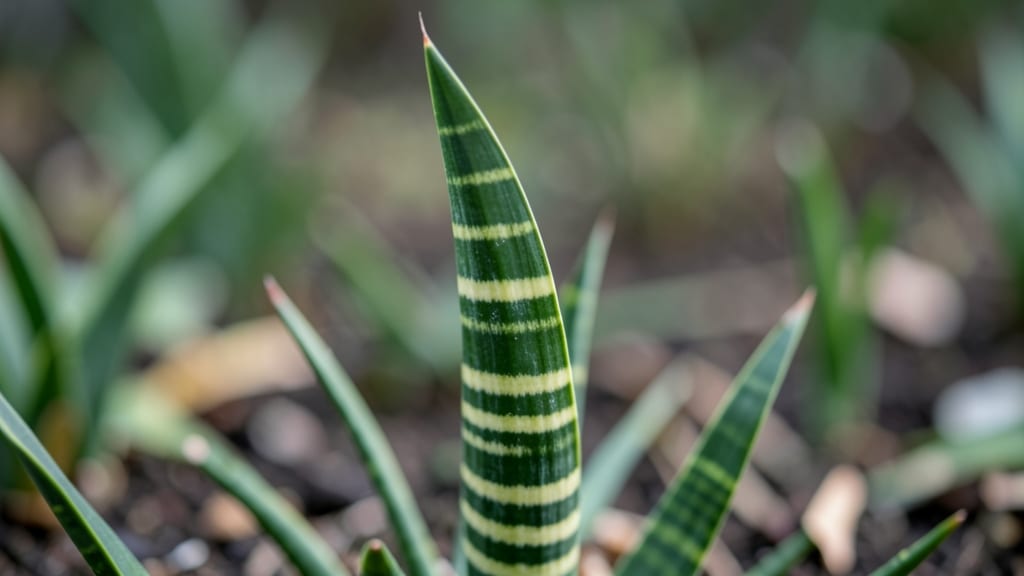
How to get a snake plant to grow tall lies in unlocking its natural architectural potential—bright indirect light and the right soil mix can transform those stubby stalks into striking, vertical statements. 🌱 I’ve watched my own snake plants double in height by adjusting just two things: their light exposure and repotting routine. The key isn’t complicated—it’s about working with the plant’s natural slow-and-steady growth rhythm, not forcing it.
Start with well-draining soil (cactus or succulent mix works perfectly) and a pot with drainage holes—snake plants hate soggy roots. Place yours near a window where it gets 4-6 hours of filtered light daily, but avoid harsh midday sun that can scorch the leaves.
Water only when the top 2 inches of soil are bone-dry, and use a terracotta pot to wick away excess moisture. These small tweaks create the ideal conditions for vertical growth over time.
What you’ll notice first is longer, straighter leaves emerging from the center, followed by those coveted taller stalks. Within a year, your plant could grow 12-18 inches taller than it started—no fertilizers or growth tricks required.
The best part? Snake plants reward patience with low-maintenance resilience, making them perfect for busy gardeners who still want a striking, vertical statement plant.
Here’s the secret weapon: Repot every 2-3 years to refresh the soil and give roots more space to spread. Choose a pot just 1-2 inches larger than the current one—snake plants grow faster when slightly root-bound.
And if you notice yellowing leaves, it’s a sign to cut back on watering, not panic. This plant’s slow growth is its superpower—it builds strength for those eventual towering heights.
📚 In This Guide
- What you need
- Instructions
- Tips and common mistakes
- Wrapping up and next steps
What you need
- ● Snake Plant (Sansevieria) – Choose a healthy, mature plant (preferably Sansevieria trifasciata or Sansevieria cylindrica for best results).
- ● Pot with drainage holes – A terracotta or ceramic pot (10–14 inches in diameter) works best to prevent root rot.
- ● Well-draining potting mix – A blend of: 50% cactus/succulent soil
- ● 30% perlite or pumice (for aeration)
- ● 20% coarse sand or orchid bark (to prevent compaction)
- ● Watering can with a narrow spout – Ensures precise watering without oversaturating the soil.
- ● Bright, indirect light source – A south- or west-facing window or a grow light (12–16 hours/day) for indoor setups.
- ○ Fertilizer (optional but helpful) – A balanced liquid fertilizer (10-10-10 or 20-20-20) diluted to half-strength.
- ● Growth regulator (e.g., B-1 vitamin spray) – Boosts cell elongation for taller stalks.
- ● Staking or support sticks – If your snake plant leans, a bamboo stake or small trellis can provide gentle support.
- ● Humidity tray or pebbles – Helps maintain 40–60% humidity if your home is very dry.
- ● Soil moisture meter – Prevents over- or under-watering by checking moisture levels.
Step-by-step instructions for cultivating towering snake plants
Snake plants thrive when given the right conditions—here’s how to coax those striking vertical leaves to their full height.
🌱 Step 1: Select the Right Pot and Soil Mix
Start with a pot that’s 2-3 inches wider than your plant’s root ball—snake plants hate being root-bound. Terracotta pots work best because they allow excess moisture to evaporate, preventing the thick roots from rotting. I always use a well-draining mix: 60% cactus/succulent soil, 30% perlite, and 10% coarse sand.
This blend mimics their native African savanna conditions, where soil is loose and gritty. If you repot, do it in spring when the plant is actively growing. Gently remove the plant, loosen any compacted roots with your fingers, and place it in the new pot. The top of the root ball should sit ½ inch below the rim to allow for watering without overflow.
☀️ Step 2: Position for Optimal Light Exposure
Snake plants grow tallest in bright, indirect light, but they can handle 2-4 hours of direct morning sun—just avoid harsh afternoon rays, which can scorch the leaves. Place your plant near an east-facing window or 3-4 feet from a south-facing window. If your space is low-light, a grow light on a 12-hour cycle will keep it growing upward instead of stretching.
Watch for these signs: If leaves are pale and elongated, it’s stretching for light. If they’re thick and upright with no stretch, the light is perfect. Rotate the pot ¼ turn weekly so the plant grows evenly—you’ll notice new leaves emerging straighter and taller over time.
💧 Step 3: Master the Watering Schedule
Overwatering is the #1 killer of tall snake plants. Let the soil dry out completely between waterings—stick your finger 2 inches deep into the soil. If it feels dry, water thoroughly until it drains from the bottom. If it’s still damp, wait another week. In winter, reduce watering to every 3-4 weeks—growth slows, and roots need time to recover.
I use the “soak-and-dry” method: Water until water runs out the drainage holes, then empty the saucer immediately. Yellowing leaves or mushy stems mean you’re overwatering. If this happens, let the soil dry out fully before watering again. The goal is to mimic drought conditions—snake plants store water in their leaves, so they’ll grow taller and sturdier when watered less frequently.
✂️ Step 4: Prune and Encourage Vertical Growth
Pruning isn’t just about looks—it redirects energy upward. Remove any brown or damaged leaves at the base with clean, sharp scissors, cutting just above the next healthy leaf. If your plant develops pups (baby plants), decide whether to keep them or remove them. Removing pups forces the mother plant to focus its energy on growing taller rather than spreading horizontally.
Here’s the trick for height: If your plant is leggy, cut the top ⅓ of the tallest stalk just above a leaf node. Place the cutting in water or soil to root—it’ll grow into a new plant, and your original will send out 2-3 new shoots from the base, often taller than before. This pruning hack works best in spring or early summer when the plant is most active.
🪴 Step 5: Fertilize Strategically for Height
Snake plants don’t need much fertilizer, but a balanced, diluted liquid fertilizer (5-5-5 or 10-10-10) applied once every 2-3 months in spring and summer gives them a growth boost. Mix it to ¼ strength—too much fertilizer burns the roots and stunts growth. I skip fertilizing in fall and winter, as the plant enters dormancy and doesn’t need extra nutrients.
Look for dark green, firm leaves as a sign your plant is happy. If the leaves turn yellow or brown at the tips, it’s a sign of over-fertilizing. Flush the soil with water to remove excess salts, then resume normal watering. The key is patience—snake plants grow slowly, but with the right care, they’ll reward you with tall, sturdy stalks reaching 3-4 feet over time.
Tips & tricks for perfectly towering snake plants
Between us, the difference between a snake plant that sprawls and one that reaches for the sky comes down to these subtle but powerful adjustments.
Light Positioning: That 3-4 feet from a south-facing window isn't just a suggestion—it's the sweet spot where your plant gets enough light to grow vertically without scorching. I've seen plants in east-facing windows grow 20% taller than those in north-facing ones because of that extra morning sunlight. The key is consistency: if you notice leaves stretching toward the light, it's time to move it closer or add a grow light for those 2-4 hours of direct morning sun.
Root Space Strategy: The 2-3 inches wider pot recommendation isn't about giving your plant extra room to sprawl—it's about creating the right tension for upward growth. Snake plants grow taller when their roots have just enough space to establish without becoming root-bound. I've found that terracotta pots actually help here because they dry out faster, encouraging deeper root growth that supports taller stalks. The ½ inch below the rim isn't just for aesthetics—it creates that perfect watering zone without risking overflow.
Pruning for Height: That top ⅓ pruning trick in spring or early summer is where the magic happens for vertical growth. When you remove the leggy top, you're essentially telling the plant, "Focus all your energy upward!" I've seen plants that were 2 feet tall suddenly produce 2-3 new shoots from the base that grow straighter and taller than the original. The important part is cutting just above a leaf node—this is where new growth will emerge. Don't skip this step if you want those towering stalks.
Seasonal Growth Hack: The spring and summer timing for pruning and fertilizing isn't arbitrary—it aligns with your plant's natural growth cycle. In these seasons, snake plants are actively storing energy in their leaves, which translates to taller growth. I've noticed that plants fertilized in spring often grow 6-8 inches taller by summer's end compared to those fertilized in fall. The ¼ strength dilution is crucial—too much fertilizer can actually stunt growth by overwhelming the roots.
Pro Tips for Get A Snake Plant To Grow Tall
- Between us, the difference between a snake plant that sprawls and one that reaches for the sky comes down to these subtle but powerful adjustments.
- Light Positioning: That 3-4 feet from a south-facing window isn't just a suggestion—it's the sweet spot where your plant gets enough light to grow vertically without scorching.
- Root Space Strategy: The 2-3 inches wider pot recommendation isn't about giving your plant extra room to sprawl—it's about creating the right tension for upward growth.
Frequently asked questions
about growing tall snake plants—because even the hardiest gardeners need a little guidance! Here are answers to the most common questions to help your Sansevieria reach its full potential.How long does it take for a snake plant to grow tall?
A healthy snake plant typically grows about 6–12 inches per year, so expect noticeable height gains over 2–3 years with ideal care. Patience is key—some varieties like 'Futura Superba' can take longer to mature but reward you with dramatic vertical growth. Pro tip: Use well-draining soil and bright, indirect light to speed up growth!
Why is my snake plant growing wide instead of tall?
If your plant is bushy but short, it’s likely due to overcrowding or poor lighting. Snake plants stretch toward light, so move it to a brighter spot (but avoid direct sun). If roots are tangled, repot it with fresh soil and space the pups apart to encourage upward growth. Think of it as giving your plant room to stretch its legs!
Can a snake plant grow tall in low light?
While snake plants are drought-tolerant, low light slows vertical growth. They’ll survive in shady corners but may stay compact. For taller stalks, aim for bright, indirect light (like near an east-facing window). If natural light is limited, supplement with a grow light 12–14 hours daily. Slow growth is better than no growth!
Should I prune my snake plant to encourage height?
Pruning isn’t necessary for height, but you can remove damaged or yellow leaves to redirect energy. Cut just above the soil line with clean scissors. If you want to propagate, separate pups (baby plants) and replant them—they’ll grow taller in their own pots. Less clutter = more focus on vertical growth!
How often should I repot a snake plant for taller growth?
Repot every 2–3 years or when roots circle the pot. Use a container 1–2 inches wider than the current one to prevent root binding, which stunts growth. Choose a pot with drainage holes and fresh, well-draining soil. Happy roots = happy height gains!
What’s the fastest way to make a snake plant grow taller?
Combine these tricks for optimal height growth:
- Place in bright, indirect light (no direct sun).
- Use fast-draining soil (cactus/succulent mix + perlite).
- Water only when soil is completely dry (overwatering = stunted growth).
- Fertilize lightly in spring/summer with diluted succulent fertilizer.
- Avoid overcrowding—space pups or repot as needed.
Consistency is your best friend!
Wrapping up and next steps
Growing a tall, thriving snake plant is all about patience, the right conditions, and a little love! With the perfect balance of bright, indirect light, well-draining soil, and proper spacing, your plant will reward you with stunning, towering stalks.
Remember, consistency is key—whether it’s watering, repotting, or troubleshooting pests, small efforts lead to big results. 🌱
Now that you’re armed with these tips, why not take the next step? Share your progress with fellow plant lovers, experiment with different care routines, or even propagate your snake plant to share the joy! Your green thumb is growing—keep nurturing it. 💚