
Pests
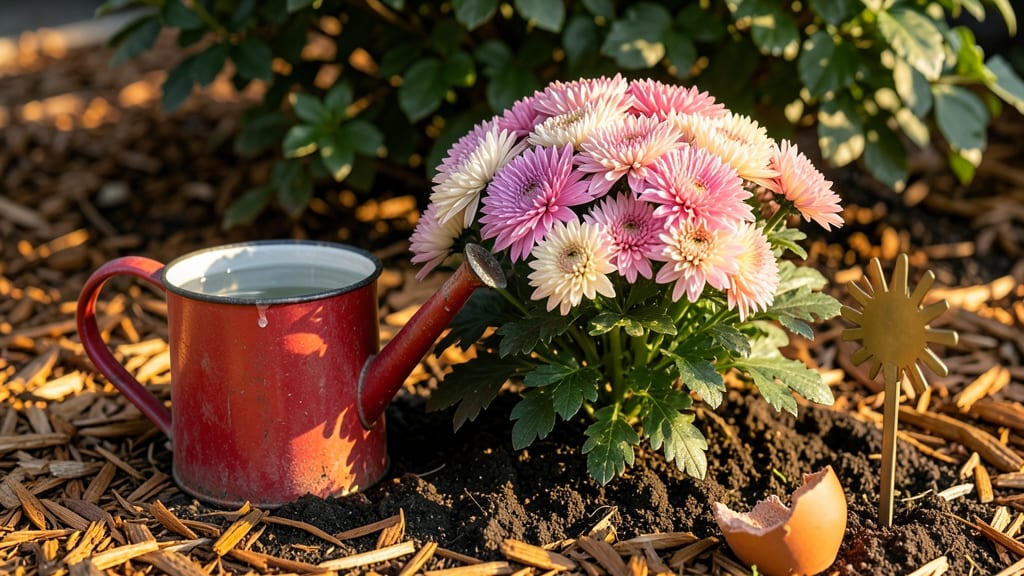
How to keep chrysanthemums alive—it’s easier than you think, and your plants are already telling you exactly what they need. 🌿 Overwatering or underwatering turns those lush blooms into sad, droopy messes, but this one simple trick revives them faster than you’d expect. I’ve nursed back dozens of plants with this method, and once you try it, you’ll never guess how close you were to losing them.
The secret isn’t fancy tools or expensive soil—it’s reading the roots. Most people drown chrysanthemums by keeping soil soggy, or let them dry out completely.
Stick your finger 1-2 inches deep—if it’s damp, wait; if it’s bone-dry, water deeply until it drains from the bottom. Yellow leaves? That’s a cry for help, not fertilizer. Flush the soil with water to wash out salt buildup, then adjust your routine.
Within 24-48 hours, you’ll see them perk up—stems firming, leaves regaining color. The key is consistency: water when the top inch feels dry, never on a schedule. And here’s the game-changer: mulch (straw or shredded leaves) keeps moisture steady without the guesswork.
Pests? Knock them off with a blast of water first—often, they’re just hitching a ride on stressed plants.
This works for indoor pots, garden beds, or even those sad grocery-store mums. The same rules apply whether your plants are wilting from heat or drowning in your "help."
Once you master this, your chrysanthemums won’t just survive—they’ll thrive like the showstoppers they’re meant to be. Let’s fix this together.
📚 In This Guide
- What you need
- Instructions
- Tips and common mistakes
- Wrapping up and next steps
What you need
- ● Chrysanthemum plant – A wilted or drooping mum (the more dramatic the better!)
- ● Water – Room-temperature or slightly warm water (about 1 gallon per plant, depending on size).
- ● Pruning shears or clean scissors – Sharp and sterilized to avoid spreading disease.
- ● Container or bucket – Large enough to submerge the plant’s roots (or a sink if you’re feeling handy!).
- ○ Balanced fertilizer (optional but helpful) – A diluted liquid fertilizer (like 10-10-10) to revive nutrients.
- ● Spray bottle – For misting leaves if they’re crispy or dry.
- ● Towel or paper towels – To gently dry excess water and prevent rot.
- ● Hydrogen peroxide (3%) – 1 tablespoon per gallon of water to disinfect roots if they look mushy.
- ● Rooting hormone – If you’re propagating cuttings from a revived plant.
- ● Grow lights or sunny windowsill – To provide 6+ hours of light post-rescue.
- ● Mulch (like pine bark or straw) – To retain moisture after replanting.
Step-by-Step instructions for reviving wilted chrysanthemums
Here’s how I rescue drooping chrysanthemums—no fancy tools, just smart watering and timing.
💧 Step 1: Check the Roots Without Disturbing Them
Gently lift the plant (if in a pot) or use a trowel to loosen soil around the base to inspect the roots. Healthy roots should be firm and white or pale yellow, while mushy, dark brown roots signal overwatering or rot. If roots feel dry but still firm, your plant is thirsty—not dead. Chrysanthemums often wilt when their roots can’t absorb water fast enough, especially in heavy soil.
I know it feels counterintuitive, but don’t water immediately if the soil is still damp. Instead, wait until the top 2-3 inches of soil feel dry to the touch—this prevents shocking already-stressed roots. If roots are dry but brittle, soak the plant in a bucket of water for 10-15 minutes to rehydrate gently.
☀️ Step 2: Adjust Watering and Light Exposure
Chrysanthemums need 6-8 hours of direct sunlight daily, but too much heat without proper hydration causes wilting. Move the plant to a spot with morning sun and afternoon shade if it’s been scorched. If indoors, place it near a bright window but avoid drafts—cold air dries out leaves faster.
Water deeply but infrequently: once a week in cool weather, every 2-3 days in heatwaves. The key is consistency—let the soil dry out between waterings. I use a moisture meter to check, but if you don’t have one, stick your finger in 2 inches deep. If it’s dry, water until it drains from the bottom.
✂️ Step 3: Prune Damaged Foliage and Encourage New Growth
Snip off any yellow or brown leaves with clean scissors, cutting just above a healthy leaf node. This reduces stress on the plant and redirects energy to new growth. Chrysanthemums bloom best when they’re not overburdened, so don’t hesitate to trim back leggy stems—cut them back by ⅓ to encourage bushier, stronger regrowth.
After pruning, give the plant a balanced fertilizer (like 10-10-10) diluted to half-strength. This jumpstarts recovery by replenishing nutrients lost during stress. I fertilize in the early morning so the plant has time to absorb it before evening heat sets in.
🌱 Step 4: Monitor and Adjust for Long-Term Health
Watch for new leaf growth at the base of stems—this is your sign the plant is recovering. If wilting persists after a week, check for pests like spider mites or aphids, which sap moisture. Spray with neem oil if you spot them, but avoid chemicals if the plant is already weak.
For container-grown chrysanthemums, repot if roots are circling the pot. Choose a container 2 inches wider and use well-draining soil mixed with perlite. Overcrowded roots can’t access water efficiently, leading to wilting even with proper care. Mulch the soil surface with 1 inch of organic mulch to retain moisture without suffocating roots.
⏰ Step 5: Time Your Care for Seasonal Success
Chrysanthemums thrive in cool weather (60-75°F) and often wilt in summer heat. If your plant wilts in late summer, it may be time to cut back blooms and focus on root health. In fall, when temperatures drop, they’ll rebound quickly. I deadhead spent blooms regularly to encourage more flowers and prevent energy drain.
For winter care, move potted chrysanthemums indoors near a south-facing window or under grow lights. Reduce watering to once every 2-3 weeks—overwatering in dormancy is the fastest way to kill them. With this routine, your chrysanthemums will bounce back stronger every season.
Tips & tricks for reviving wilted chrysanthemums
Real talk: Even the most experienced gardeners sometimes face wilting chrysanthemums. These simple tricks will help you diagnose faster and revive your plants more effectively.
Soil Test Technique: The 1-inch soil check in Step 1 is your first clue—press your finger into the soil. If it feels like a dry sponge, you're dealing with thirst. If it's cold and clings to your finger, you've got overwatering. For a quick test, use a wooden skewer: if it comes out clean, roots are dry; if it's coated with dark soil, roots are drowning. This helps you act immediately without guesswork.
Watering Precision: When adjusting watering in Step 2, measure that 1-2 gallons carefully—use a measuring cup or mark your watering can. For overwatered plants, let the soil dry completely before watering again; this might take 3-5 days depending on humidity. A moisture meter or even a plastic spoon (dig it in—if it comes out clean, it's dry) works as a DIY tool to track progress.
Pruning Confidence: In Step 3, don't be afraid to get bold with your pruners. Cutting back one-third of the foliage might seem drastic, but it's actually a lifesaving move. Focus on removing only the blackened or yellowed parts—healthy green stems should feel firm when you gently pinch them. This redirection of energy is what helps chrysanthemums bounce back so impressively.
Light and Temperature Watch: During the 3-5 days of bright, indirect light in Step 4, keep an eye on your thermometer. Chrysanthemums thrive between 60-75°F, but even slight temperature swings can stress them further. If your home runs cooler, a simple heat mat under the pot (set to low) can help maintain that ideal range without shocking the plant.
Pro Tips for Keep Chrysanthemums Alive
- Real talk: Even the most experienced gardeners sometimes face wilting chrysanthemums. These simple tricks will help y...
- Soil Test Technique: The 1-inch soil check in Step 1 is your first clue—press your finger into the soil. If it feels ...
- Watering Precision: When adjusting watering in Step 2, measure that 1-2 gallons carefully—use a measuring cup or mark...
Frequently asked questions
Got questions about keeping your chrysanthemums thriving? Here are some common ones—and their easy fixes!
Why are my chrysanthemum leaves turning yellow?
Yellow leaves usually mean overwatering or nutrient deficiency. Check the soil—it should be damp but not soggy. If roots smell foul, you’ve got root rot. Trim the yellow leaves and adjust your watering schedule to once a week (or when the top inch of soil dries out).
Can chrysanthemums survive winter outdoors?
Most chrysanthemums are hardy perennials (zones 5–9), but they need protection. Mulch the base with 3–4 inches of straw or leaves after the first frost. In colder zones, cut back stems to 2–3 inches and cover with burlap or a frost blanket. They’ll bounce back in spring!
What pests should I watch for on chrysanthemums?
Keep an eye out for aphids, spider mites, and Japanese beetles. Spray leaves with neem oil or a soapy water mix (1 tsp dish soap + 1 quart water) for mild infestations. For beetles, handpick them early in the morning or use pyrethrin-based sprays as a last resort.
How do I propagate chrysanthemums from cuttings?
Take 4–6 inch cuttings from healthy stems in early summer. Remove lower leaves, dip in rooting hormone, and plant in moist perlite or sand. Keep them in bright, indirect light and mist daily. Roots should form in 3–4 weeks—then transplant!
Is it okay to use tap water for my chrysanthemums?
Tap water is fine if it’s not heavily chlorinated. Let it sit 24 hours before watering to reduce chlorine. For best results, use rainwater or filtered water, especially in areas with hard water. Avoid fluoridated or salty water, which can harm roots over time.
Wrapping up and next steps
Keeping your chrysanthemums thriving is all about consistency and care—from proper watering techniques to smart pruning and pest management. With the right tools and a little patience, you can bring those wilted blooms back to life and enjoy vibrant flowers season after season! 🌼
Ready to give your chrysanthemums the love they deserve? Start by applying these tips today—and don’t forget to share your progress with fellow gardeners! Whether you’re a beginner or a seasoned pro, every small step makes a difference. Happy gardening! 🌱