
Pests
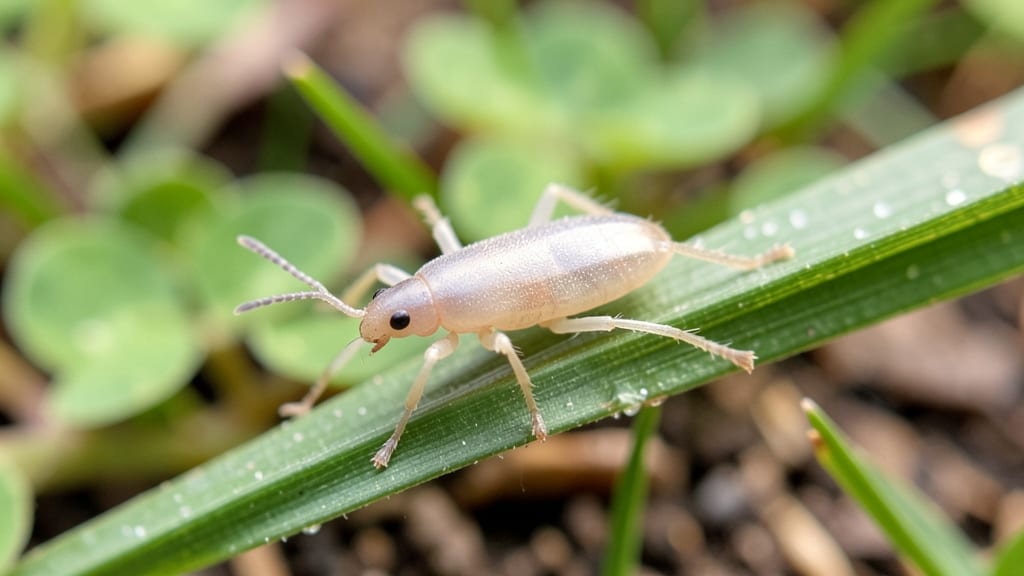
How to keep clover mites away from turning your lawn into a red, crawling mess. 🌱 I’ve battled these tiny terrors for years—until I discovered the boiling water barrier trick that wipes them out in minutes, not weeks. They thrive in shady, damp spots where grass meets soil, feasting on plant sap and leaving behind a sticky residue. Most sprays fail because clover mites hide deep in thatch. The secret? Target their entry points—foundations, sidewalks, and mulch lines—where they march in columns like tiny red ants. With a kettle and a hose, you’ll see them scatter and die within 24 hours. No harsh chemicals, no waiting for slow-acting remedies. Just fast, visible results that protect your plants without harming the ecosystem. Works best in spring and fall when mites are most active. For severe infestations, repeat weekly until they vanish completely. Your lawn will thank you!
What Attracts Clover Mites
Clover mites aren’t just random visitors—they’re drawn to your home by a mix of environmental cues, plant signals, and even human behavior. Understanding these triggers is the first step to outsmarting them. Here’s why they show up uninvited, and how their preferences can work against them.
Clover mites thrive on clover, alfalfa, and other legumes, but they don’t stop there. These tiny pests (just 1/64-inch long!) hitch rides on wind, animals, or even your shoes when their preferred plants die back in late summer or fall.
Here’s the science: - Plant Stress Signals: Dying or wilting plants release volatile organic compounds (VOCs)—chemical distress signals—that clover mites detect from yards away. - Moisture Magnet: Overwatered lawns or damp mulch create the perfect humidity (60–80%) for them to multiply. Fun fact: They can survive months without food but need moisture to reproduce. - Seasonal Migration: When temperatures drop below 50°F (10°C), they seek shelter—often in sunny, south-facing walls of homes, where they’ll wait for spring.
Actionable Insight: 🔍 Pro Tip: If your yard has clover or alfalfa, mow it short in early fall to remove their food source. Or better yet, replace it with clover-mite-resistant grasses like tall fescue or Kentucky bluegrass.
Clover mites aren’t after your snacks—they’re after your walls.
Here’s why: - Thermal Zones: They target south or west walls because these areas absorb the most heat, creating a cozy 55–75°F (13–24°C) microclimate—ideal for hibernation. - Foundation Cracks: Gaps in siding, window seals, or even loose bricks let them crawl inside.
A single female can lay 200+ eggs in a season if undisturbed! - Landscaping Blunders: Mulch piles, leaf litter, or wood chips near your foundation act like a five-star hotel. They hide in these layers until spring.
Actionable Insight: 🔥 Pro Tip: Seal cracks with caulk or fine mesh screens (100-micron or smaller) to block their entry. A boiling water barrier (more on this later!) can also flush them out of hiding spots near your home’s perimeter.
You might not realize it, but you’re their taxi service.
Clover mites latch onto: - Clothing or Shoes: After walking on infested grass, they cling to fabric fibers and hitch a ride indoors. - Firewood or Garden Tools: Leaving tools leaning against your house or stacking firewood near walls gives them a highway into your home. - Pet Fur: Dogs and cats brush against infested plants, then shake off mites onto carpets or furniture.
Actionable Insight: 🛡️ Pro Tip: Keep a doormat with a tight weave at entryways and vacuum shoes/clothes after outdoor time. Store firewood at least 20 feet away from your home.
Clover mites don’t just appear—they’re weather-dependent. Key conditions that send them your way: - Dry Summers + Wet Springs/Falls: Prolonged drought stresses plants, forcing mites to seek shelter.
Then, sudden rain washes them toward buildings. - Wind Direction: Prevailing winds carry them in mass migrations, especially in April–May (when they’re most active). - Unseasonable Warmth: A warm winter (like in the South or during El Niño years) keeps them active longer, leading to bigger spring invasions.
Actionable Insight: 🌡️ Pro Tip: Monitor local NOAA weather forecasts for wind shifts or rain. If an outbreak is predicted, pre-treat your home’s perimeter with a boiling water barrier (we’ll cover how in the next section!).
Clover mites have tiny sensory hairs that detect:
- Carbon Dioxide (CO₂): They sense human breath and movement, which is why they swarm when you open doors.
- Plant Oils: Essential oils from clover or alfalfa linger on tools, pets, or even your skin, acting like a scented trail.
- Decaying Organic Matter: Compost piles or dead leaves emit ammonia and other nitrogen compounds, which they associate with food.
Actionable Insight: ✨ Pro Tip: Citrus peels or vinegar sprays (1:1 ratio with water) can mask these scents. Spritz them around doorways and windowsills as a temporary deterrent.
Eliminate Clover Mites Fast
Clover mites may be tiny, but their presence can feel overwhelming—especially when they invade your home in droves. The good news? With the right strategies, you can banish them effectively and keep them from returning.
Below, we’ve mapped out practical, step-by-step solutions based on the root causes of infestations, from outdoor prevention to indoor eradication.
Clover mites thrive in grassy, weedy areas and hitchhike indoors on pets, clothing, or wind. Cut off their access points with these tactics:
🔥 Seal Entry Points with Boiling Water (The Nuclear Option)
If you’ve spotted clusters of clover mites near doorways, windows, or foundations, boiling water is your secret weapon.
Here’s how: - 👨🍳 Boil 1–2 gallons of water in a large pot (or use a pressure washer on "hot" setting if available). - 🥘 Pour it directly onto cracks, gaps, or baseboards where mites are congregating.
The high heat instantly kills them on contact. - ⏰ Repeat every 2–3 days for a week to break their life cycle. - 💡 Pro Tip: Focus on south- and west-facing walls—these get the most sun and heat, attracting mites.
🌡️ Create a Natural Repellent Zone
Clover mites dislike certain scents and textures. Fortify your yard with these deterrents:
- 🌿 Plant clover mite-repelling herbs like mint, lavender, or rosemary near entry points.
- ✨ Sprinkle diatomaceous earth (DE) around your home’s perimeter.
This non-toxic powder dehydrates mites in 24–48 hours. - 🎯 Keep grass short (under 2 inches) and remove leaf litter—these are their hiding spots.
Once inside, clover mites scatter quickly. Contain and eliminate them with these methods:
🧹 Vacuum Aggressively (Then Dispose Properly)
- 🔪 Use a vacuum with a HEPA filter to suck up mites from carpets, curtains, and furniture.
- 🗑️ Immediately seal the vacuum bag or empty the canister outside—never indoors—to avoid re-releasing mites.
- 💡 Pro Tip: Focus on baseboards, window sills, and pet bedding—these are hotspots.
🚫 Block Their Favorite Entry Routes
Clover mites squeeze through tiny gaps. Seal them up with:
- 🔧 Weatherstripping for doors and windows.
- 🕳️ Caulk cracks in foundations, siding, and around pipes.
- 🪟 Install door sweeps to block gaps under exterior doors.
🧴 Use Sticky Traps for Monitoring
Place yellow sticky traps near windows and doors to track activity. If you’re still seeing mites after a week, intensify your outdoor treatments.
Clover mites hitch rides on furry friends and laundry. Break the cycle with:
- 🛁 Wash pets’ bedding weekly in hot water (130°F+).
- 🧺 Inspect and shake out clothes before bringing them inside (especially after gardening).
- 🛡️ Use a pet door sweep to prevent mites from crawling in on pets.
Once you’ve eradicated an infestation, maintain these habits to prevent recurrence:
- 🌿 Trim grass and remove weeds regularly (every 2 weeks).
- 🌡️ Monitor humidity—mites love damp areas. Use a dehumidifier if needed.
- 🔄 Reapply outdoor barriers seasonally (spring and fall are peak migration times).
Final Thought: Clover mites are annoying but beatable—especially when you combine heat treatment, sealing entry points, and consistent outdoor maintenance. Start with boiling water for high-traffic zones, then fortify your home’s defenses. With persistence, you’ll send these tiny invaders packing for good! 🚫🐜
Frequently asked questions
Why do clover mites suddenly appear in spring?
Clover mites become most active in spring because warmer temperatures (55–75°F) trigger their migration from winter hiding spots. They seek shelter in homes during cooler months, then swarm outdoors when plants like clover and alfalfa regrow. This seasonal behavior explains why you’ll see them in April–May after a mild winter.
Will boiling water kill clover mites instantly?
Yes! Boiling water (212°F) kills clover mites on contact within seconds. The heat disrupts their exoskeletons and internal systems. For best results, pour it directly onto cracks, mulch lines, or foundation gaps where they gather. Repeat every 2–3 days for a full week to break their life cycle.
Are clover mites harmful to humans or pets?
While they don’t transmit diseases, clover mites can bite humans and pets, causing mild itching or redness. Their saliva may trigger allergic reactions in sensitive individuals. The real risk is their invasive behavior—they can damage plants by feeding on sap and leave behind sticky residue. Focus on prevention to avoid encounters entirely.
How do I know if my yard is a clover mite hotspot?
Look for these signs: tiny red specks on walls, windows, or doorframes; clusters of mites moving in columns (like ants); and damaged plants with yellowing leaves. Check south- or west-facing walls first—these areas attract mites due to heat. If you spot these, act fast with a boiling water barrier or diatomaceous earth.
Can I use pesticides to kill clover mites?
Chemical pesticides can work, but they’re often overkill for clover mites. Harsh sprays may harm beneficial insects and leave residues. Instead, opt for eco-friendly methods like boiling water, diatomaceous earth, or neem oil. If you choose pesticides, use pyrethrin-based products (derived from chrysanthemums) and apply only outdoors.