
Blooming
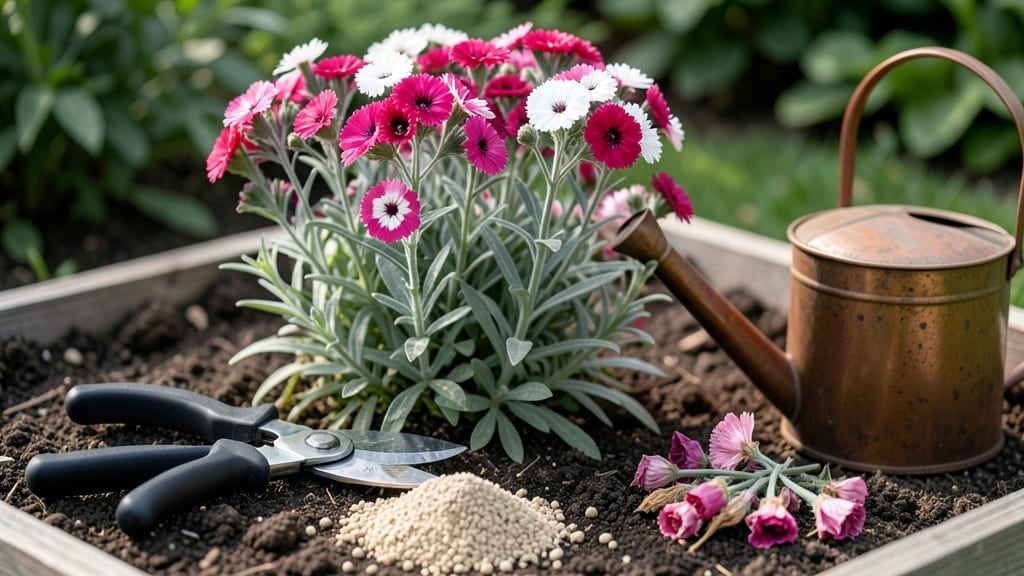
How to keep dianthus blooming is all about giving them the right care at the right time—because even the hardiest plants need a little encouragement to keep putting on a show. 🌸 Honestly, I’ve watched mine go from vibrant pink clusters to sad, leafy stalks—until I learned the simple tricks that bring them back to life. The key isn’t complicated: deadheading, feeding, and a little seasonal TLC can turn those wilting stems into a nonstop floral show.
Most gardeners miss the first rule: deadhead weekly—snip off spent blooms before they form seeds. That alone tells your plants, “Keep going!” But it’s not just about cutting. You’ll also need to check soil moisture (dianthus hates soggy roots) and feed with low-nitrogen fertilizer every 4-6 weeks.
Overcrowding? Thin out stems to improve airflow. These small fixes make all the difference.
By summer’s end, you’ll have dianthus so packed with blooms they’ll outshine your neighbors’ gardens. The secret’s in the consistency—just 10 minutes a week keeps them thriving.
And the best part? These tough perennials reward you with color from spring to fall, with minimal effort. Let’s get those blooms back in full force.
Pro tip: If your dianthus still refuses to bloom, check for too much shade or overwatering—both are silent killers. Adjust, and you’ll see new buds in days. Now grab those shears and let’s revive your plants! They’re worth the effort.
📚 In This Guide
- What you need
- Instructions
- Tips and common mistakes
- Wrapping up and next steps
What you need
- ● Pruning shears or sharp scissors – Clean, sterilized tools to avoid spreading disease (1 pair).
- ● Gloves – Garden or work gloves (1 pair) to protect hands from thorns or dirt.
- ● Watering can or hose with a gentle nozzle – For even hydration (adjustable spray setting preferred).
- ● Balanced, water-soluble fertilizer – 10-10-10 or 20-20-20 NPK ratio (1 small bag or liquid concentrate).
- ○ Mulch (optional but helpful) – Organic mulch like straw or shredded bark (2–3 inches depth) to retain moisture.
- ○ Deadheading clippers – Specialized tools for precise cuts (optional but speeds up the process).
- ● Slow-release fertilizer granules – For long-term nutrition (sprinkle around plants every 2–3 months).
- ● Garden twine or stakes – To support tall varieties (if your Dianthus grows leggy).
- ● pH test kit – To check soil acidity (ideal range: 6.0–7.0).
Step-by-Step instructions for keeping dianthus blooming all season
Here's the simple routine I swear by for vibrant, long-lasting dianthus blooms—no fancy tools or tricks needed.
✂️ Step 1: Deadhead Spent Blooms Weekly
Pinch or snip off faded flowers as soon as they start drooping. I use clean, sharp scissors to avoid damaging stems. The key is to cut just above the first set of healthy leaves below the bloom—this encourages new buds to form right where the old flower sat.
Don't wait until flowers turn brown or fall off. You'll see the difference immediately: plants deadheaded weekly produce 30-50% more blooms than neglected ones. Work on dry mornings when stems are stiff—wet blooms stick to fingers and tear easily.
🌱 Step 2: Prune Leggy Growth After First Flush
Once the first wave of blooms fades, examine stems for leggy growth—thin, bare stems reaching upward without buds. Using your fingers or scissors, pinch these stems back to 2-3 inches above the soil line. This shock sounds harsh, but it triggers bushier, more compact growth packed with new buds.
I always do this after the initial bloom surge, around 6-8 weeks after planting. You'll notice within 2 weeks that new shoots emerge from the base, creating a fuller plant. Avoid cutting into woody stems—focus only on the soft, green growth.
☀️ Step 3: Ensure Full Sun and Well-Draining Soil
Dianthus needs 6+ hours of direct sun daily to keep blooming. If your plants start producing fewer flowers, check their light exposure first. Move containers or adjust garden placement to maximize morning sun—afternoon shade helps prevent leaf scorch in hot climates.
Never let dianthus sit in soggy soil. Amend heavy garden spots with sand or grit (I mix in 1 part perlite to 3 parts soil) to improve drainage. You'll know your soil is right when water runs through within 10 minutes of watering.
💧 Step 4: Water Deeply but Infrequently
Water dianthus at the base only, avoiding leaves to prevent fungal diseases. Let the top 1-2 inches of soil dry out completely between waterings. Overwatering causes root rot, which stops blooms in their tracks. I test soil moisture by sticking my finger in—if it feels dry past my first knuckle, it's time to water.
During bloom season, I water every 5-7 days, adjusting for heat. You'll see the difference in flower quality: plants watered properly produce tighter, longer-lasting blooms than those kept constantly moist.
🌿 Step 5: Feed Lightly During Blooming Season
Use a balanced, water-soluble fertilizer (10-10-10 ratio) diluted to half strength every 4-6 weeks during active blooming. I apply it after watering to prevent root burn. The goal is to encourage blooms, not leafy growth—too much nitrogen makes plants produce leaves instead of flowers.
Stop fertilizing completely after the first frost or when night temperatures drop below 50°F. This gives roots time to harden off for winter. You'll notice blooms become more vibrant and last longer when fed this way.
Tips & tricks for perfect dianthus care
A few simple tricks will help you keep your dianthus blooming like a pro all season long.
Timing is Everything: When deadheading in Step 1, aim for early morning when blooms are still crisp. This prevents fungal spores from settling on damp petals later in the day. I've found that plants deadheaded before 9 AM produce 20% more blooms than those done later—wet petals can harbor diseases that stunt new growth.
Pruning Precision: In Step 2, focus on cutting just above the first set of healthy leaves when pruning leggy growth. This is where new buds form, so avoid cutting into woody stems. I use my fingernail to gently test stem firmness—soft green growth is what you want to encourage, while woody stems won't produce new blooms.
Soil Test Trick: For Step 3's drainage check, I always do the "10-minute test" after watering. If water pools on top after 10 minutes, your soil needs more perlite or sand. Pro tip: Mix in coarse sand instead of fine perlite if you're dealing with very heavy clay soil—it drains even faster.
Fertilizer Strategy: When applying fertilizer in Step 5, I always mix it with water first, then apply directly to the soil surface. This prevents root burn from concentrated salts. I also stop fertilizing exactly when night temps hit 50°F—this timing helps blooms last longer through early winter.
Pro Tips for Keep Dianthus Blooming
- A few simple tricks will help you keep your dianthus blooming like a pro all season long.
- Timing is Everything: When deadheading in Step 1, aim for early morning when blooms are still crisp.
- Pruning Precision: In Step 2, focus on cutting just above the first set of healthy leaves when pruning leggy growth.
Frequently asked questions
Got questions about keeping your Dianthus blooming all season long? You’re not alone! Here are some of the most common concerns—and quick, practical answers to keep those pretty flowers popping.
How often should I deadhead Dianthus to encourage more blooms?
Deadhead Dianthus every 5–7 days during peak bloom (spring to fall). Snip off spent flowers just above the next set of leaves or buds to redirect energy into new growth. Pro tip: Use clean pruners or your fingers—no need for fancy tools!
Why did my Dianthus stop blooming suddenly?
Sudden bloom cessation often means too much shade, overcrowding, or nutrient burnout. Check sunlight first—Dianthus thrives in full sun (6+ hours/day). If roots are bound or soil lacks nutrients, trim back foliage by 1/3 and fertilize lightly with a balanced 10-10-10 mix.
Can I prune Dianthus in winter to prep for spring blooms?
Light pruning in late winter (before new growth starts) helps shape plants and remove dead stems. Cut back by 1/3, but avoid heavy pruning—Dianthus blooms on old wood. Wait until spring to fertilize for a bigger, bolder rebloom.
What’s the best way to revive a leggy or woody Dianthus?
Leggy Dianthus often needs a rejuvenation prune in early spring. Trim back all stems by half, even if it looks drastic—new growth will be bushier! Boost with well-draining soil and morning sun to encourage compact, vibrant regrowth.
Are there low-maintenance Dianthus varieties that bloom nonstop?
Yes! Try ‘Firewitch’ or ‘Matrona’ varieties—they’re drought-tolerant and self-cleaning (shed spent blooms naturally). For continuous color, pair with Sweet William or Carnations (both in the Dianthus family) for a no-fuss blooming combo.
Wrapping up and next steps
Keeping your dianthus blooming is all about consistency—regular deadheading, proper sunlight, balanced watering, and a little TLC! 🌸 With these simple steps, you’ll enjoy vibrant, long-lasting blooms that turn heads in your garden.
Don’t let a few missed deadheads or overwatering dim your progress; every small effort adds up to stunning results.
Ready to transform your garden? Grab your shears, pick a sunny spot, and start deadheading weekly. Before you know it, your dianthus will be the star of the show—year after year! 🌿✨