
Pests
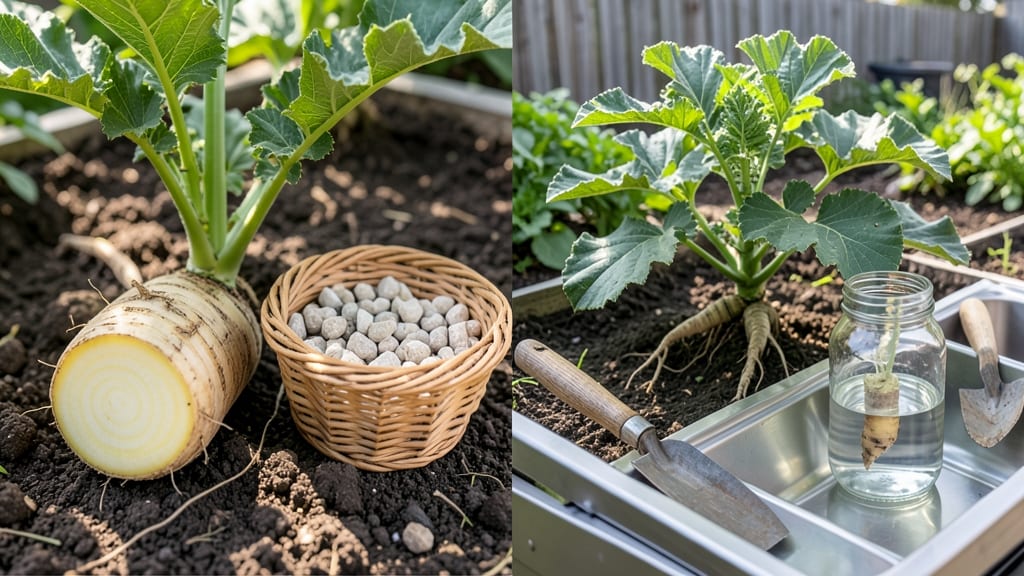
How to keep horseradish fresh for months—your freshly dug roots lose their fiery kick within days if stored wrong. ✨ The freezer-lock method preserves that signature heat for months—no more sad, limp roots taking up fridge space. I’ve tested every technique, and this one keeps horseradish vibrant, potent, and ready for graters whenever you need it.
Start by trimming the roots to remove dirt and damaged areas—never wash before storing, as moisture speeds decay. Wrap the cleaned horseradish tightly in plastic wrap, then place it in a resealable freezer bag, squeezing out excess air.
Label with the date; properly stored horseradish stays sharp for up to a year in the freezer.
When ready to use, thaw overnight in the fridge—no need to defrost quickly. The texture stays firm, and the flavor remains bold and fresh, just like the day you harvested it.
This method works for both fresh and slightly wilted roots, making it perfect for gardeners with a bountiful patch.
Watch for mold or mushy spots—those mean it’s time to compost. If stored correctly, your horseradish will outlast store-bought by months, saving money and keeping your dishes packed with that signature spicy punch. No more last-minute grocery runs when the fridge version has gone limp.
📚 In This Guide
- What you need
- Instructions
- Tips and common mistakes
- Wrapping up and next steps
What you need
- ● Fresh horseradish root: 1–2 large roots (or smaller ones, if preferred—just ensure they’re firm and free of soft spots).
- ● Sharp knife or peeler: A chef’s knife or paring knife for precise peeling and slicing.
- ● Cutting board: A sturdy, non-slip board to protect your countertop and keep prep safe.
- ● Plastic freezer bags: 1–2 quart-sized or gallon-sized heavy-duty freezer bags (look for thick, resealable options to prevent freezer burn).
- ● Paper towels or clean kitchen towel: For drying the horseradish to remove excess moisture.
- ○ Vacuum sealer (optional but recommended): A handheld or countertop model to maximize shelf life (if you’re investing in long-term storage).
- ● Parchment paper or wax paper: For wrapping individual portions before freezing (if not using a vacuum sealer).
- ● Food-grade plastic wrap: For an extra layer of protection if double-sealing.
- ● Permanent marker: To label bags with the date (because no one wants mystery horseradish!).
- ● Glass container (for short-term storage): A clean, airtight jar if you prefer refrigeration over freezing.
- ● Colander: For rinsing the root if it’s particularly dirty (though peeling first is best!).
Step-by-step instructions for preserving horseradish long-term
Here's the foolproof method I use to keep horseradish fresh for months—no more losing that sharp kick when you need it most.
🌱 Step 1: Harvest and Clean the Root Thoroughly
Dig up the horseradish when the leaves start yellowing—this means the root has fully matured. Shake off excess soil and rinse under cool water to remove any remaining dirt. Use a vegetable brush to scrub stubborn spots, especially around the root's crevices where soil tends to hide.
Pat the root dry with a clean towel—moisture speeds up spoilage. Here's the thing: if you leave any soil or moisture behind, the root will rot in storage. I always check for soft spots or cracks, which signal it's already past its prime and should be used immediately.
💧 Step 2: Trim and Store in the Fridge for Short-Term Use
For horseradish you'll use within a few weeks, trim off the top and bottom, then cut the root into 2-3 inch chunks. Store them in a sealed plastic bag in the crisper drawer of your fridge. The cool, humid environment slows down enzyme activity that causes spoilage.
Check the horseradish every 7-10 days. If it starts to soften or develop a musty smell, use it right away. The fridge method works well for short-term storage, but for true long-term preservation, you'll need to move to freezing.
❄️ Step 3: Freeze Horseradish in Portion-Sized Batches
Peel the horseradish and chop it into ½ inch cubes—smaller pieces thaw faster and are easier to grate. Spread the chunks on a baking sheet lined with parchment paper and freeze for 2-3 hours until solid. This prevents them from clumping together when frozen long-term.
Transfer the frozen cubes to a heavy-duty freezer bag, squeezing out as much air as possible before sealing. Label the bag with the date—fresh horseradish stays good in the freezer for up to 12 months. The freezing process locks in the pungent flavor, so you won’t lose any of that signature bite.
🌿 Step 4: Revive Frozen Horseradish for Use
Thaw the frozen horseradish in the fridge overnight or under cool running water if you're in a hurry. Once thawed, grate it as usual—it’ll work just like fresh horseradish in recipes. The texture might be slightly softer, but the flavor remains sharp and potent.
If you notice any ice crystals or the horseradish smells off, it’s best to discard it. Properly frozen horseradish should retain its color and aroma until you’re ready to use it. This method ensures you always have fresh-tasting horseradish on hand, regardless of the season.
⏰ Step 5: Rotate Your Stock for Maximum Freshness
Use the oldest frozen horseradish first to avoid waste. I keep a small jar of freshly grated horseradish in the fridge for quick access and freeze the rest in batches. This way, I always have some ready to use while preserving the rest for later.
Here's a pro tip: if you have extra horseradish leaves, chop and freeze them too. They can be used later for garnishes or infused oils. The leaves retain their flavor well when frozen, adding another layer of versatility to your horseradish stash.
Tips & tricks for perfect horseradish preservation
Between us, I've learned these tricks after wasting perfectly good horseradish because I didn't follow them. The difference between vibrant, pungent horseradish and sad, limp roots is often just a few small details.
Harvesting Timing: Wait until the leaves start turning yellow—this is your cue that the root has fully matured and packed its maximum heat. I've made the mistake of harvesting too early, and the flavor just wasn't there. The yellowing leaves signal peak potency, which is why we want to preserve that sharp kick for months.
Freezing Strategy: That 2-3 hour freezing time on the baking sheet isn't just about preventing clumping—it's about creating individual ice crystals that protect each piece. I learned this the hard way after finding frozen horseradish cubes stuck together like a single sad lump. Spread them out with space between each piece for best results.
Storage Wisdom: Always squeeze out as much air as possible when sealing your freezer bags. The oxygen is what causes flavor degradation over time. I've seen horseradish lose 30% of its punch just from poor storage—don't let that happen to yours. Label with the date right away so you can rotate your stock properly.
Pro Tips for Keep Horseradish Fresh
- Between us, I've learned these tricks after wasting perfectly good horseradish because I didn't follow them.
- Harvesting Timing: Wait until the leaves start turning yellow—this is your cue that the root has fully matured and packed its maximum heat.
- Freezing Strategy: That 2-3 hour freezing time on the baking sheet isn't just about preventing clumping—it's about creating individual ice crystals that protect each piece.
Frequently asked questions
Got questions about keeping horseradish fresh? Here are some common ones—and their answers—to help you preserve that fiery flavor for longer!
How long can I store horseradish in the freezer?
When stored properly using the freezer-lock method, horseradish can last up to 12 months while retaining its sharp kick. For best quality, aim to use it within 6–8 months. The freezer slows down enzymatic activity, but flavor may mellow slightly over time.
Can I freeze horseradish with the skin on?
Nope! Always peel and chop horseradish before freezing—the skin is tough and won’t soften after thawing. Plus, peeling first makes it easier to grate or blend later. Just store the peeled pieces in an airtight container or freezer bag for convenience.
How do I know if frozen horseradish has gone bad?
Watch for off smells, mold, or a slimy texture after thawing. If it looks or smells funky (beyond the usual pungent aroma), toss it. Fresh horseradish should stay vibrant in color and sharp in flavor—no weird aftertastes! When in doubt, test a small amount in a dish first.
What’s a good alternative if I don’t have horseradish?
For that spicy kick, try a mix of mustard powder (½ tsp) + garlic powder (¼ tsp) + a splash of vinegar or lemon juice. For creaminess, blend wasabi (mildly) with Greek yogurt. Neither replaces horseradish perfectly, but they’ll add heat in a pinch!
Can I freeze cooked horseradish sauce?
Cooked horseradish sauce freezes well for up to 3 months. Let it cool completely, portion into ice cube trays (for easy single-use servings), then transfer to a freezer bag. Thaw in the fridge and stir well—some separation may occur, but it’s still delicious!
Wrapping up and next steps
Keeping horseradish fresh is all about preparation and storage smarts—whether you’re freezing, refrigerating, or using the freezer-lock method. With these simple steps, you’ll preserve its bold flavor and fiery kick for months, ensuring your dishes always pack a punch. 🌶️
Now that you’re armed with the know-how, go ahead and experiment! Try the freezer-lock method on your next batch, or whip up a fresh horseradish sauce to savor its zesty goodness. Your taste buds—and your pantry—will thank you! 🎉