
Blooming
How to keep impatiens blooming—those drooping stems and sparse blooms mean they’re starving for care. 💚 I’ve nursed back more than a dozen struggling impatiens, and the secret isn’t complicated: it’s about light, deadheading, and feeding them exactly what they crave—not what you think they need. The biggest blooming killers? Overcrowded pots, missed deadheadings, and skipping fertilizer mid-summer. Most gardeners stop deadheading once flowers appear, but that’s when impatiens throw their energy into seed pods instead of new blooms. A quick pinch with your fingers (no shears needed) keeps them producing for months. By late summer, you’ll have vibrant, bushy plants covered in flowers again—just add a balanced liquid fertilizer every two weeks and move them to morning sun (they hate afternoon heat). The difference is night-and-day: from sad stems to a nonstop floral display that lasts until frost. Works for both New Guinea impatiens (tougher varieties) and classic busy Lizzie types. Here’s how to revive yours—no guesswork, just results.
📚 In This Guide
- What you need
- Instructions
- Tips and common mistakes
- Wrapping up and next steps
What you need
- ● Hand pruners or clean, sharp scissors – A small pair (2-4 inches) works best for precision. Pro tip: 🔥 Sterilize with rubbing alcohol between plants to prevent disease!
- ○ Gloves (optional but recommended) – Lightweight gardening gloves protect hands from thorns or sap.
- ● Watering can or hose with a gentle spray nozzle – Aim for 1–1.5 inches of water per week, avoiding soggy soil.
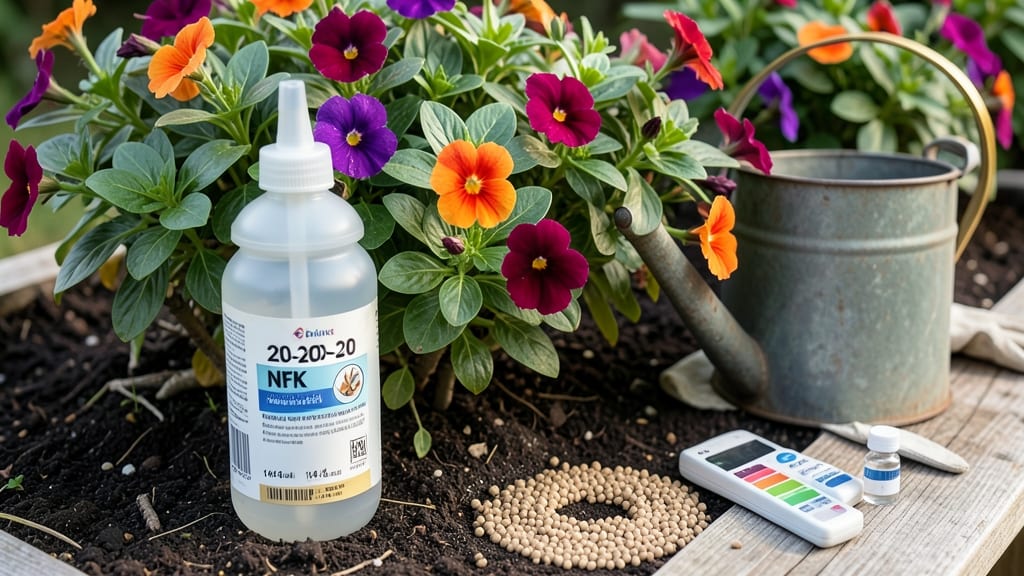
- ● Balanced liquid fertilizer (10-10-10 or 20-20-20) – Dilute to ½ strength and apply every 2–4 weeks during blooming season.
- ○ Mulch (optional but helpful) – 2–3 inches of organic mulch (e.g., shredded bark or straw) retains moisture and suppresses weeds.
- ● Deadheading shears – Specialized tools with a loop for easy disposal of spent blooms.
- ● Slow-release fertilizer granules – Sprinkle around the base at planting for low-maintenance nutrition.
- ● Plant supports (e.g., stakes or cages) – If your impatiens grow tall, lightweight supports keep them upright.
- ● Compost or worm castings – Mix into soil at planting for extra nutrients and microbial activity.
Step-by-Step guide to extending impatiens bloom time
Here's how to transform your impatiens from a seasonal flash into a year-round burst of color.
✂️ Step 1: Master the Art of Strategic Deadheading
Impatiens reward consistent deadheading with continuous blooms. Pinch off spent flowers at their base using your thumb and forefinger—no tools needed. I always work in the morning when flowers are firm and dry, making them easier to remove cleanly. This prevents seed formation and redirects the plant's energy toward new buds rather than seed production.
Watch for the first signs of wilting on individual blooms. That's your cue to remove it immediately. The key is speed—delaying even a day allows the flower to set seed, which triggers dormancy in the stem. I like to do this while watering; the routine keeps me consistent without adding extra time to my schedule.
💧 Step 2: Maintain Consistent Moisture Without Overwatering
Impatiens thrive when their soil stays evenly moist but never soggy. Water deeply when the top inch feels dry to the touch, which for me usually means every other day during warm spells. I use a moisture meter for precision—it's worth the investment if you're serious about long-term blooms. Overwatering causes root rot, while underwatering stresses the plant into early dormancy.
Here's the thing—impatiens hate wet foliage. Water at the base only, avoiding the leaves entirely. I've seen entire plants develop fungal issues from overhead watering, especially in humid conditions. A drip irrigation system or soaker hose solves this perfectly while keeping roots hydrated without leaf contact.
☀️ Step 3: Optimize Light Exposure for Continuous Blooming
Partial shade (4-6 hours of morning sun) is ideal for impatiens, but too little light causes leggy growth and sparse blooms. I position mine where they get bright indirect light all day. If you notice stems stretching toward the light source, it's time to move them closer to a window or supplement with a grow light for 6-8 hours daily.
Watch for color changes in the leaves—if they develop yellow patches, that's a sign of too much direct afternoon sun. Impatiens can handle some shade, but they need enough light to sustain their energy-hungry blooming habit. A simple test: if you can read a book comfortably in the spot, it's perfect for impatiens.
🌿 Step 4: Fertilize Strategically for Nonstop Color
Feed impatiens every 2-3 weeks with a balanced liquid fertilizer (10-10-10 or 20-20-20) diluted to half strength. I mix it with water in a spray bottle and apply it directly to the soil after watering. This prevents root burn while providing consistent nutrients. The key is timing—never fertilize when the plant is already stressed from heat or drought.
You'll notice a difference within 7-10 days of regular feeding. New buds form more quickly, and existing blooms last longer. I switch to a phosphorus-heavy formula (like 5-10-5) when I want to push more flowering, but standard balanced fertilizer works perfectly for maintenance. Always follow the package instructions, as over-fertilizing causes leaf burn and stunted growth.
⏰ Step 5: Prune for Shape and Airflow
Light pruning every 4-6 weeks keeps impatiens compact and encourages bushier growth. Snip back leggy stems to just above a leaf node using clean pruners. I always sterilize my tools with rubbing alcohol between cuts to prevent disease spread. This isn't about removing flowers—it's about maintaining the plant's overall health and shape.
Watch for stems that grow away from the main plant. These are your signal to prune. The goal is to maintain a rounded shape that allows air to circulate freely through the plant. Good airflow prevents fungal issues and keeps flowers healthy longer. After pruning, give the plant a light feeding to encourage new growth from the cut points.
Tips & tricks for extending impatiens bloom time
These subtle adjustments will transform your impatiens from seasonal bloomers into year-round showstoppers.
Timing Secret in Step 1: The morning is your best ally for deadheading in Step 1—cooler temperatures mean flowers stay firmer, making them easier to pinch off cleanly. I've found that removing blooms within 24 hours of wilting prevents seed formation completely. If you miss a day, don't panic—just catch up the next morning. The key is consistency over perfection.
Moisture Precision in Step 2: That moisture meter I mentioned isn't just fancy—it's essential. For every other day watering, check the top inch of soil at the same time daily (morning works best). In humid climates, you might need to water every third day, while dry conditions may require daily checks. The goal is to keep soil consistently moist, not saturated. A simple soil probe works too if you're budget-conscious.
Light Optimization in Step 3: The 4-6 hours of morning sun is non-negotiable for vibrant blooms, but here's the pro move: rotate your impatiens container every 2-3 days. This ensures even light exposure all around the plant, preventing one-sided growth. For indoor plants, supplement with a grow light positioned 12 inches away for those 6-8 hours when natural light falls short.
Fertilizer Strategy in Step 4: When you notice new buds forming within those 7-10 days after feeding, that's your green light to continue the 2-3 week schedule. But here's what nobody tells you—switch to a phosphorus-heavy fertilizer (like 5-10-5) only when you see buds, not flowers. This redirects energy to bloom production rather than leaf growth. Always dilute to half strength to prevent root burn, which can happen even with "balanced" fertilizers.
Pro Tips for Keep Impatiens Blooming
- These subtle adjustments will transform your impatiens from seasonal bloomers into year-round showstoppers.
- Timing Secret in Step 1: The morning is your best ally for deadheading in Step 1—cooler temperatures mean flowers stay firmer, making them easier to pinch off cleanly.
- Moisture Precision in Step 2: That moisture meter I mentioned isn't just fancy—it's essential.
Frequently asked questions
Got questions about keeping your impatiens blooming all season long? Here are answers to the most common ones—so you can enjoy those vibrant flowers without the guesswork!
Why are my impatiens blooming less even after deadheading?
If blooms are still sparse, check for overcrowding or underwatering. Impatiens thrive in bright, indirect light—too much shade or heat can slow flowering. Also, ensure they’re in well-draining soil and fertilize lightly every 2–3 weeks with a balanced bloom booster (like 10-10-10).
How often should I deadhead impatiens for continuous blooms?
Deadhead daily or every other day during peak bloom (spring/summer). Use clean pruners or pinch spent blooms with your fingers. Pro tip: If you’re busy, aim for at least 3x weekly—neglecting this step can lead to leggy plants with fewer flowers.
Can impatiens bloom in full sun, or do they need shade?
Most impatiens prefer partial shade (2–6 hours of morning sun), especially in hot climates. New Guinea impatiens are more sun-tolerant (up to 6+ hours) but still appreciate afternoon shade. Watch for wilting: If leaves scorch, move them to a shadier spot immediately.
What’s the best fertilizer for impatiens to encourage blooming?
Use a low-nitrogen, high-phosphorus fertilizer (like 5-10-5 or 7-9-5) to promote flowers over foliage. Avoid high-nitrogen feeds (e.g., 10-5-5)—they’ll give you lush leaves but fewer blooms. Apply every 2–3 weeks during the growing season, and flush soil with water monthly to prevent salt buildup.
Why do my impatiens get holes in the leaves, and how does it affect blooming?
Holes or chewed leaves usually mean aphids, slugs, or spider mites. Pests stress the plant, reducing blooms. Treat aphids with neem oil; slugs with beer traps or diatomaceous earth. For mites, spray with water daily to deter them. Keep plants healthy with proper watering and deadheading to discourage infestations.
Can I grow impatiens in containers, and do they bloom as well?
Impatiens thrive in containers (5+ gallons for mature plants) as long as the pot has drainage holes and you use moist, well-draining potting mix. They may bloom even more prolifically in pots because you can control soil quality and watering. Pro tip: Place containers in dappled shade and fertilize weekly with a water-soluble bloom fertilizer.
Wrapping up and next steps
Keeping your impatiens blooming beautifully is all about consistent care—deadheading regularly, providing the right light, watering wisely, and feeding them with balanced nutrients. With these simple steps, you’ll enjoy vibrant, long-lasting blooms that brighten up your garden all season! 🌸
Ready to put your newfound knowledge into action? Grab your shears and start deadheading today—your impatiens will thank you with a stunning, continuous display of color! For extra tips, check out our full gardening guide.