
Tools
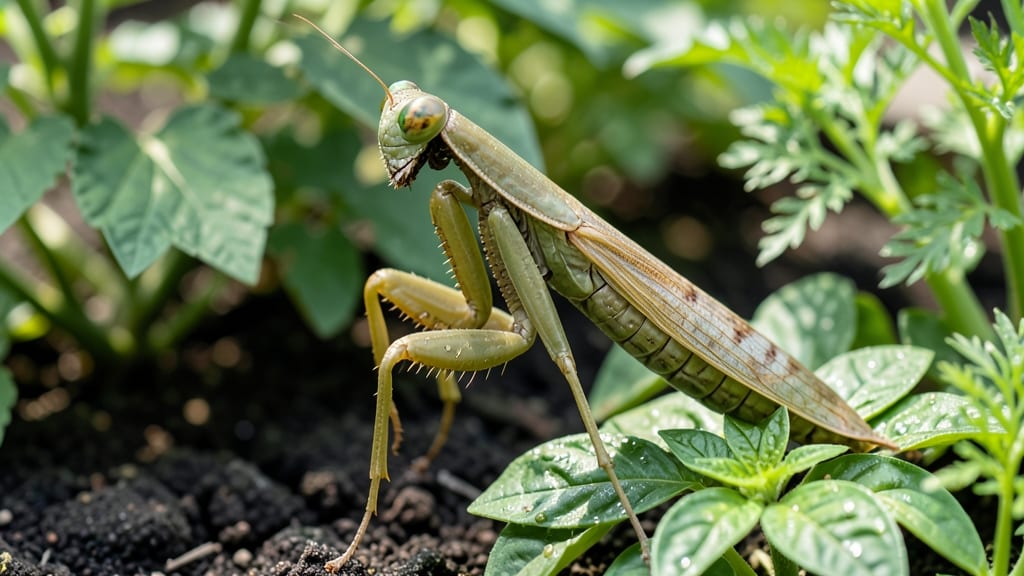
How to keep insects away from your vegetable garden nearly became a buffet for cabbage worms and beetles. 🌱 The good news? You don’t need chemicals to keep pests at bay—just the right mix of natural barriers, smart planting, and a few simple tricks that actually work.
Companion planting is your first line of defense: marigolds repel nematodes, basil deters flies, and nasturtiums lure aphids away from your veggies. Physical barriers like row covers or copper tape stop crawling pests dead in their tracks, while homemade sprays (garlic, neem, or soapy water) tackle what slips through.
By combining these methods, you’ll see fewer holes in leaves, healthier plants, and a harvest that stays ahead of the bugs. The best part? These solutions work for any garden size, from raised beds to backyard plots, and they’re safe for kids and pets too.
Start with one or two techniques this season, then build your pest-fighting toolkit as you go. Your veggies—and your sanity—will thank you.
📚 In This Guide
- What you need
- Instructions
- Tips and common mistakes
- Wrapping up and next steps
What you need
- ● Row covers: Lightweight fabric (e.g., frost cloth or insect netting) – 10’x15’ (adjust for garden size). Look for 50-70% shade cloth to allow sunlight while blocking pests.
- ● Diatomaceous earth (DE): Food-grade, 2–5 lbs. Apply sparingly—it’s non-toxic but can dry out plants if overused.
- ● Copper tape: 1–2 rolls (for slug/snail barriers). Sticky or plain copper works; avoid aluminum.
- ● Compost or mulch: 2–3 cubic feet (organic matter to deter pests and retain moisture).
- ● Essential oils: 10–15 mL each of neem, peppermint, or citrus oil (dilute with water for sprays).
- ● Hose with nozzle: For DIY sprays or rinsing off pests.
- ● Gloves & mask: (For handling DE or mulch—protect your lungs and skin!)
- ● Beneficial insects: Ladybugs, lacewings, or nematodes (1–2 packs to introduce naturally).
- ● Beer traps: Small containers filled with beer (for slugs—place near garden edges).
- ● Chicken wire: 1–2 rolls (to create physical barriers for burrowing pests).
- ● Plant companions: Marigolds, basil, or garlic (pest-repelling plants to interplant).
- ● Garlic or chili spray: Pre-mixed (or DIY with 1 crushed garlic bulb + 1 tsp cayenne per gallon of water).
Step-by-step instructions for natural vegetable garden pest control
Keep pests at bay without chemicals using these simple, effective barriers that protect your veggies.
🌱 Step 1: Create Physical Barriers with Row Covers
Start by covering young plants with lightweight floating row covers to block flying insects like cabbage moths and aphids. These sheer fabrics allow sunlight and water through while keeping pests out. Secure the edges with bricks or soil weights to prevent wind damage. I like to use them early in the season when plants are most vulnerable—especially for brassicas like cabbage and broccoli.
For crawling pests like slugs and cutworms, create a 2-inch deep barrier of coarse sand or diatomaceous earth around plant bases. This gritty texture deters slugs while still allowing roots to breathe. Replenish after rain, as moisture washes it away. You'll notice fewer chewed leaves within days of installation.
☀️ Step 2: Plant Companion Plants Strategically
Interplant pest-repelling herbs like basil, marigolds, or dill among your vegetables. Basil confuses whiteflies with its strong scent, while marigolds release a natural chemical that deters nematodes. I tuck a few marigold plants at the edges of my tomato beds—they thrive in the same conditions and create a protective border.
For cabbage families, add nasturtiums—they lure aphids away from your brassicas. The aphids prefer nasturtiums' milder leaves, giving your broccoli and kale a fighting chance. Space these companions every 18-24 inches for maximum effect. You'll see fewer pests on your main crops within a few weeks.
💧 Step 3: Use Homemade Sprays for Immediate Relief
Mix 1 tablespoon of dish soap with 1 quart of water in a spray bottle for an instant aphid and spider mite remedy. The soap disrupts their protective coating without harming plants. Spray early in the morning on a calm day to avoid damaging tender leaves. Reapply every 3-5 days until pests disappear—usually within a week.
For chewing insects like caterpillars, try a garlic-chili spray: blend 3 garlic cloves, 1 tablespoon cayenne pepper, and 1 quart of water, then strain and spray. The strong aroma repels pests while the capsaicin irritates their mouthparts. Store in the fridge for up to 5 days and shake before each use. You'll notice fewer bites on your lettuce and cabbage almost immediately.
✂️ Step 4: Maintain Garden Hygiene to Prevent Infestations
Remove and destroy any yellowing leaves or diseased plants immediately—they attract pests like whiteflies and Japanese beetles. I always pull up affected plants at the base and toss them in the trash (not compost) to break the pest life cycle. Keep your garden beds weed-free, as weeds harbor pest eggs and alternative food sources.
Rotate crops annually to prevent soil-borne pests from building up. If you grew tomatoes in one spot this year, plant them at least 10 feet away next season. This disrupts the life cycles of pests like hornworms and blight-causing fungi. A clean, rotated garden stays healthier with fewer pest problems over time.
🪴 Step 5: Encourage Beneficial Insects Naturally
Plant dill, fennel, or parsley to attract ladybugs and lacewings—natural predators of aphids and caterpillars. These beneficial insects will move into your garden once they find shelter and food. I also leave a small patch of clover in the corner of my garden; it attracts predatory wasps that keep pest populations in check.
Set up a small water source like a shallow dish with pebbles and water to give these helpers a drink. They'll stay longer if they have both food and water. Within 2-3 weeks, you'll see a noticeable drop in pest numbers as the beneficial insects establish themselves.
Tips & tricks for natural vegetable garden pest control
A few simple tricks can make all the difference when keeping pests at bay without chemicals.
Timing for Row Covers: Install floating row covers as soon as you plant young seedlings, especially for brassicas like cabbage and broccoli. The first few weeks are when they're most vulnerable to flying insects like cabbage moths. I've found that removing covers for pollination when flowers appear (usually late spring) still leaves enough protection for the most critical growth stages.
Companion Planting Layout: When planting pest-repelling companions like marigolds or nasturtiums, position them strategically around the perimeter of your garden beds. Marigolds work best near tomato plants, while nasturtiums should flank cabbage families. The key is creating a protective border that pests avoid, while still allowing beneficial insects access to your main crops.
Homemade Spray Consistency: For the dish soap spray, use a mild, plant-safe dish soap—not dishwashing detergent. The 3-5 day reapplication schedule works best in warm weather, but you may need to spray every 2-3 days during hotter months when pests multiply faster. Always shake the bottle before each use to redistribute the soap, which can settle at the bottom over time.
Beneficial Insect Attraction: To maximize the effectiveness of your water source for beneficial insects, place it near dill, fennel, or parsley plants. These herbs provide both food and shelter for ladybugs and lacewings, while the water source gives them the hydration they need to stay in your garden. You'll typically see results within 2-3 weeks of consistent maintenance.
Pro Tips for Keep Insects Away From Vegetable Garden
- A few simple tricks can make all the difference when keeping pests at bay without chemicals.
- Timing for Row Covers: Install floating row covers as soon as you plant young seedlings, especially for brassicas like cabbage and broccoli.
- Companion Planting Layout: When planting pest-repelling companions like marigolds or nasturtiums, position them strategically around the perimeter of your garden beds.
Frequently asked questions
Got questions about keeping pests out of your veggie patch? Here are some of the most common concerns—and straightforward answers to help you garden with confidence!
What’s the easiest natural way to keep insects away from my vegetable garden?
Start with physical barriers like row covers (lightweight fabric) or netting over young plants. For bugs like aphids or cabbage worms, a strong spray of soapy water (1 tsp mild soap per quart of water) works wonders. Combine this with healthy soil—happy plants are naturally pest-resistant!
When is the best time to apply natural pest deterrents?
Prevention is key! Apply mulch, companion plants (like marigolds or basil), or homemade sprays before pests arrive—typically in early spring or when seedlings emerge. Reapply after rain or every 2–3 weeks for ongoing protection. Timing matters most for cabbage loopers or squash bugs, which strike fast!
Will natural methods harm my vegetables or beneficial insects?
Most natural solutions (like neem oil, garlic spray, or diatomaceous earth) target pests only and are safe for edibles when used correctly. However, avoid honeybee-attracting traps near flowering veggies. Always spot-test sprays on a few leaves first—especially with organic pesticides—to ensure no damage!
How do I get rid of pests already in my garden without chemicals?
For existing infestations, try these steps:
- Handpick larger pests (like tomato hornworms) in the morning when they’re sluggish.
- Use a homemade trap (e.g., beer for slugs or yellow bowls for whiteflies).
- Introduce beneficial insects like ladybugs or lacewings (buy them online or at garden centers).
- Rotate crops yearly to disrupt pest life cycles.
Are DIY pest-control solutions cheaper than store-bought ones?
Most natural remedies (like vinegar spray, crushed chili peppers, or coffee grounds) cost pennies per application. Store-bought options (e.g., neem oil or pyrethrin sprays) can add up—especially for large gardens. Plus, DIY methods reduce long-term costs by preventing crop loss and avoiding repeated purchases.
Wrapping up and next steps
Keeping pests out of your vegetable garden doesn’t have to mean harsh chemicals—just a little creativity and consistency!
By using natural barriers, companion planting, and physical deterrents, you can protect your crops while nurturing a thriving, eco-friendly space. 🌱 Whether you’re a seasoned gardener or just starting, these methods are simple, effective, and kind to the planet.
Ready to take the next step? Start small—try one or two techniques this season and observe what works best for your garden. Over time, you’ll build a pest-resistant haven that rewards you with fresh, healthy veggies all year round! 🌿