
Propagation
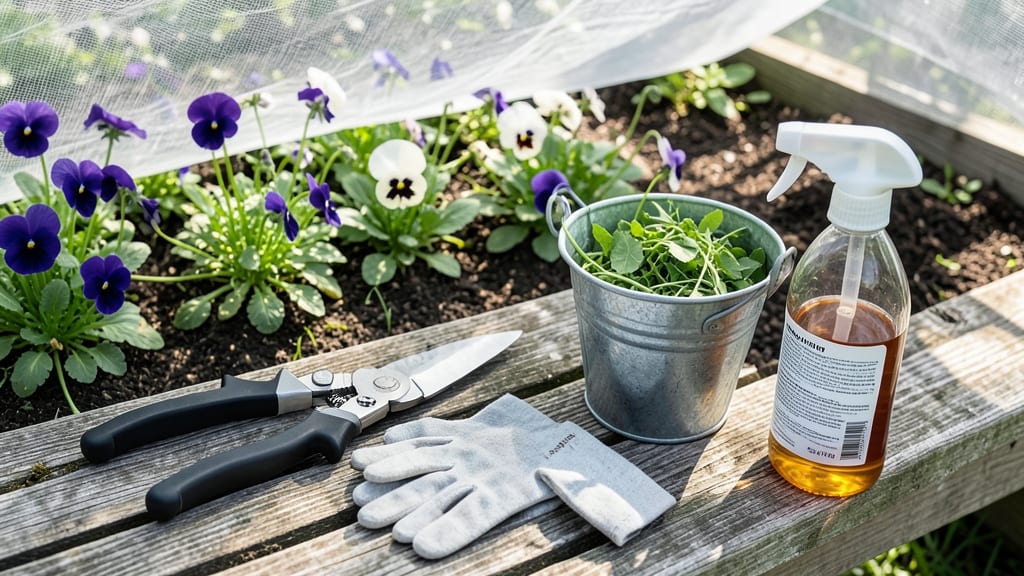
How to keep pansies from getting leggy—those stretched-out stems are a clear SOS for more sunlight! 🌱 My first spring with these flowers taught me the hard way—what looks like a healthy plant is actually begging for sunlight before it stretches into a sad, sprawling mess. The good news? Fixing it takes minutes, not months, and prevention is even simpler.
Those long, bare stems happen when pansies don't get enough light or are crowded too tightly. I've saved dozens of plants by adjusting just two things: moving them to 6+ hours of sunlight daily and thinning them so leaves don't brush against each other.
A little deadheading of spent blooms helps too—it tells the plant to focus on roots, not just reaching upward.
Once you spot the problem, prune leggy stems back to the first set of healthy leaves. It looks dramatic at first, but within 7-10 days, you'll see fresh, compact growth.
The key is consistency: check light exposure weekly and fertilize lightly with balanced 10-10-10 every 4 weeks to keep them sturdy, not stretchy.
This works for both garden beds and containers—just adjust spacing (12-18 inches apart) and watch your pansies bounce back. The secret? Treat them like the divas they are: give them light, air, and a little TLC, and they'll reward you with bold blooms all season.
📚 In This Guide
- What you need
- Instructions
- Tips and common mistakes
- Wrapping up and next steps
What you need
- ● Pansy plants – Healthy, established plants (1+ per container or garden bed).
- ● Well-draining potting mix – 1–2 bags (10–15 quarts each) for containers; enrich garden soil with compost if planting outdoors.
- ● Containers or garden bed – 6–12 inches deep for containers; full sun to partial shade (4–6 hours of sunlight daily).
- ● Watering can or hose – With a gentle spray nozzle for even moisture.
- ● Balanced liquid fertilizer – 10-10-10 or 20-20-20 (diluted to half-strength).
- ○ Grow lights (optional but helpful) – LED or fluorescent (12–16 hours/day) if indoor growing.
- ● Pruning shears or scissors – Sharp, clean tools for trimming.
- ● Plant stakes or small cages – 4–6 stakes per container to support leggy stems.
- ● Reflective mulch – White or silver to boost light exposure.
- ● Slow-release fertilizer granules – 1–2 cups per container for steady nutrition.
- ● Garden twine – For securing leggy stems to stakes.
- ● pH testing kit – To ensure soil pH is 6.0–7.0 (ideal for pansies).
Step-by-Step instructions for keeping pansies upright and bushy
Leggy pansies are a common frustration, but these simple adjustments will keep your plants strong and compact.
🌱 Step 1: Ensure Proper Light Exposure Daily
Pansies need 6-8 hours of direct sunlight to stay compact. If they're stretching toward a window or growing tall and sparse, your light is insufficient. Move them to a south-facing window or under a grow light positioned 6-12 inches away—closer for seedlings, farther for mature plants.
You'll notice leggy growth when stems stretch thin and leaves space out. If you can't move the plants, rotate them quarter-turn daily so they grow evenly toward the light source. Avoid placing them behind other plants that might shade them.
☀️ Step 2: Thin Crowded Plants for Better Airflow
Overcrowding forces pansies to compete for light, causing them to stretch upward. When seedlings are 1-2 inches tall, thin them so they're 6-8 inches apart. Use clean scissors to snip unwanted stems at soil level—never pull, or you'll disturb the roots of remaining plants.
Thinning isn't just about space; it improves airflow, which prevents fungal diseases like powdery mildew. After thinning, water lightly to help the remaining plants settle. You'll see stronger, bushier growth within 1-2 weeks as the plants focus energy on fewer stems.
💧 Step 3: Water Consistently at Soil Level
Inconsistent watering stresses pansies, making them leggy as they search for moisture. Water deeply 1-2 times weekly (more in extreme heat) until water runs out the drainage holes. Use a watering can with a narrow spout to direct moisture at the soil—not the leaves—to avoid fungal issues.
Check moisture by sticking your finger 1 inch into the soil. If it feels dry, it's time to water. Leggy growth often signals underwatering, but soggy soil causes root rot. Aim for soil that stays evenly moist but not waterlogged. Mulch with 1 inch of organic matter (like straw) to retain moisture and regulate temperature.
✂️ Step 4: Pinch Back Leggy Stems Regularly
When you spot a stem stretching too tall (over 6 inches), pinch it back just above a set of leaves using clean fingers or sharp scissors. This encourages branching and a bushier habit. Do this every 2-3 weeks during the growing season to maintain compact growth.
Pinching isn't just about looks—it redirects the plant's energy from vertical growth to producing more flowers. You'll see new side shoots forming within 7-10 days. Avoid cutting into woody stems; focus on soft, green growth that's still flexible.
🪴 Step 5: Fertilize Lightly for Balanced Growth
Too much fertilizer (especially nitrogen-heavy types) promotes leafy growth at the expense of flowers and can make stems weak. Use a balanced, water-soluble fertilizer (like 10-10-10) diluted to half-strength every 3-4 weeks during the growing season. Apply it to moist soil in the morning to avoid burning leaves.
Leggy pansies often signal a need for more phosphorus and potassium to support root and flower development. If you notice few blooms and lots of foliage, switch to a 5-10-10 or 10-20-20 formula for a month. Always water before and after fertilizing to prevent root burn.
Tips & tricks for keeping pansies compact and bushy
Here's how to turn those stretchy stems into sturdy, blooming beauties—without the guesswork.
Light Source Strategy: The 6-8 hours of direct sunlight in Step 1 is non-negotiable for compact growth. If your windowsill isn't cutting it, supplement with a grow light on a timer—just 12 hours daily mimics natural daylight cycles. I place mine 8 inches above seedlings and 10 inches above mature plants to prevent overheating. Watch for leaves turning toward the light; if they do, rotate your plants quarter-turn daily as suggested, but also consider adjusting the light position instead.
Thinning Timing: Step 2's 6-8 inch spacing might feel generous, but it's perfect for pansies. When you're thinning those 1-2 inch seedlings, take your time—rushing can damage roots. I like to thin in the morning so plants have the whole day to recover. Pro tip: Use a pair of clean, sharp scissors to snip stems at soil level. This prevents disease transmission better than pulling, and you'll notice fewer leggy survivors after thinning.
Watering Wisdom: That 1-2 inch soil moisture check in Step 3 is your best friend. I test moisture by pressing my finger in—if it springs back dry, water deeply until it runs from drainage holes. But here's what nobody tells you: Overwatering causes legginess too. If your pansies start stretching after a heavy rain, let the soil dry out slightly between waterings. Mulching with that 1 inch of organic matter helps regulate moisture, but don't pile it against stems—keep it 1 inch away to prevent rot.
Pinching Precision: When you're pinching those over-6-inch stems in Step 4, aim for the first set of leaves just below the leggy growth. This is where new branches will sprout most vigorously. I pinch every 2-3 weeks, but if you see stems reaching 8 inches, don't wait—trim them back immediately. The 7-10 day wait for new shoots might feel long, but patience here prevents future legginess. And always use clean tools: I dip scissors in rubbing alcohol between plants to prevent disease spread.
Pro Tips for Keep Pansies From Getting Leggy
- Here's how to turn those stretchy stems into sturdy, blooming beauties—without the guesswork.
- Light Source Strategy: The 6-8 hours of direct sunlight in Step 1 is non-negotiable for compact growth.
- Thinning Timing: Step 2's 6-8 inch spacing might feel generous, but it's perfect for pansies.
Frequently asked questions
Got questions about keeping your pansies sturdy and vibrant? You’re not alone! Here are some of the most common concerns—plus quick fixes to keep your flowers happy and healthy.
Why do pansies get leggy in the first place?
Leggy growth happens when pansies don’t get enough light. They stretch toward the sun, creating weak stems and sparse blooms. Overcrowding or poor spacing can also trigger this issue by blocking light and airflow. Solution: Move them to a sunnier spot (4–6 hours of light daily) or thin out crowded plants.
How quickly can I fix leggy pansies?
With immediate adjustments, you’ll see improvements in 1–2 weeks. Start by pruning elongated stems to encourage bushier growth, then adjust light exposure. For severe cases, consider repotting or transplanting to a brighter area. Pro tip: Fertilize lightly with a balanced formula to support recovery!
Can I still save leggy pansies, or should I replace them?
Don’t toss them yet! Prune leggy stems back by ⅓ to encourage compact growth, and improve light conditions. If the plants are severely weak or diseased, replacement may be easier—but many leggy pansies bounce back with care. Bonus: Use saved cuttings for propagation!
What’s the best light setup for indoor pansies?
Indoor pansies thrive near south-facing windows or under grow lights (12–14 hours/day). If natural light is limited, supplement with a full-spectrum LED 6–12 inches above the plants. Rotate pots weekly for even growth. Watch out: Avoid hot spots that can scorch leaves!
Will leggy pansies still bloom if I don’t fix it?
They might produce a few blooms, but leggy pansies often have smaller, sparser flowers and weaker stems. To maximize blooms, prioritize light, spacing, and occasional deadheading. Leggy plants also attract pests—so fixing the issue early saves time (and bugs!) later.
Still stumped? Drop your specific situation in the comments—we’re happy to help!
Wrapping up and next steps
Keeping your pansies from getting leggy is all about light, spacing, and consistent care—no complicated science required! With the right techniques, you’ll enjoy compact, vibrant blooms all season long. Now that you’re armed with these tricks, why not share your green thumb success?
Snap a photo of your thriving pansies and tag us—we’d love to see your progress! 🌸
Ready to level up your garden game? Experiment with companion planting or try growing pansies in containers for even more control. Happy gardening! 🌱