
Pests
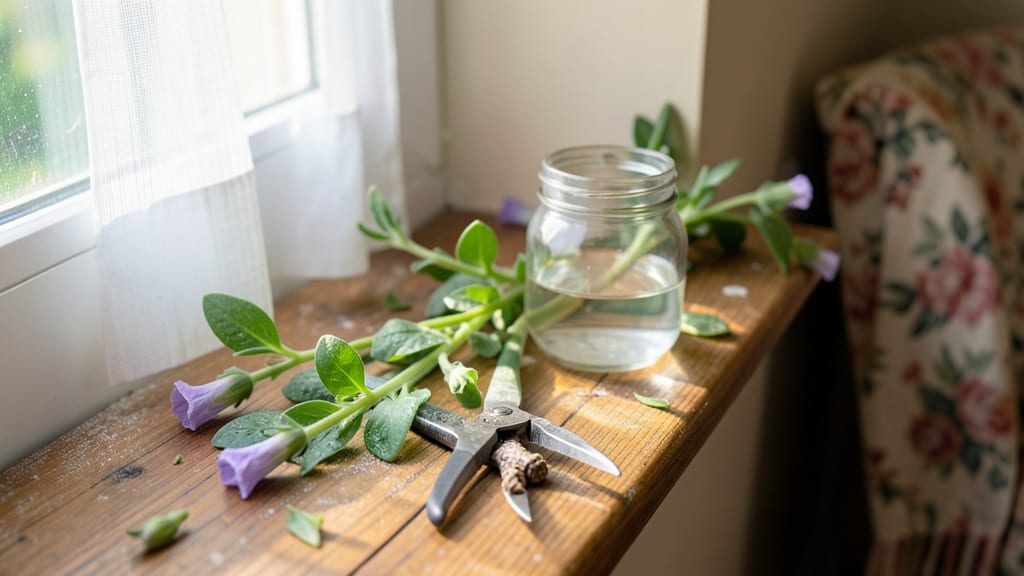
Petunias add vibrant color to gardens but often struggle with common care mistakes. These 10 proven strategies will help your petunias thrive, bloom abundantly, and stay healthy from spring to frost—even in challenging climates.
Perfect Sunlight Placement for Maximum Blooms
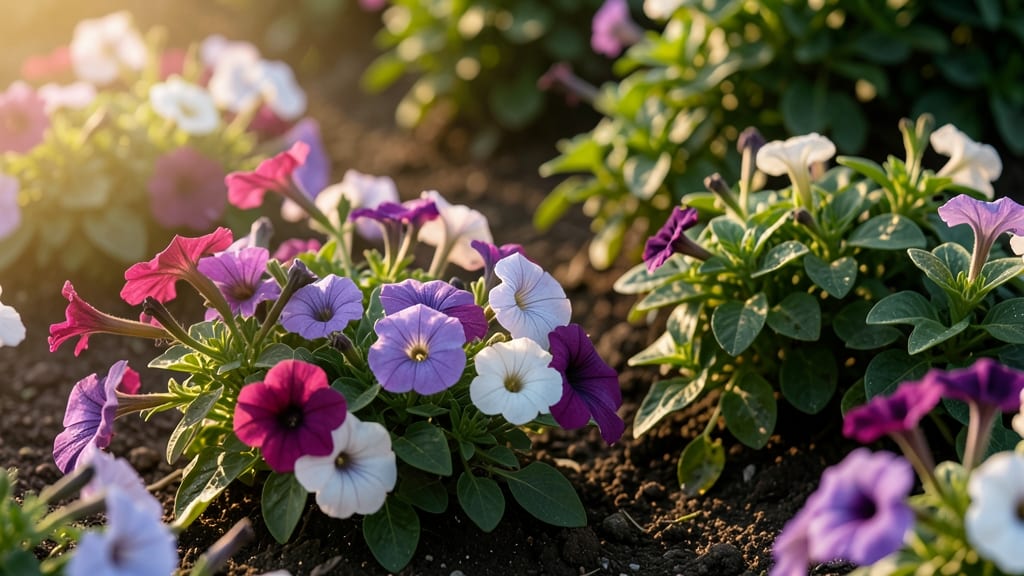
Petunias may look delicate, but they’re sun-worshippers—too little light means sparse blooms, while harsh afternoon rays can scorch their leaves. The secret lies in morning sun paired with afternoon shade, especially in hotter climates like Zones 7-10, where petunias thrive with 4-6 hours of direct sun before noon.
For cooler regions (Zones 3-6), extend their sun exposure to 6-8 hours daily, but always protect them from intense afternoon heat using shade cloth or nearby trees. Position petunias where they receive gentle dappled light in the afternoon—this balance prevents wilting while encouraging nonstop flowering. Mulch around the base to retain moisture and keep roots cool.
This approach is perfect for container gardeners or those with limited space, as it maximizes blooms without requiring full sun. With the right sunlight strategy, your petunias will reward you with bold, continuous color all season. 🌻
Soil Preparation for Healthy Root Growth
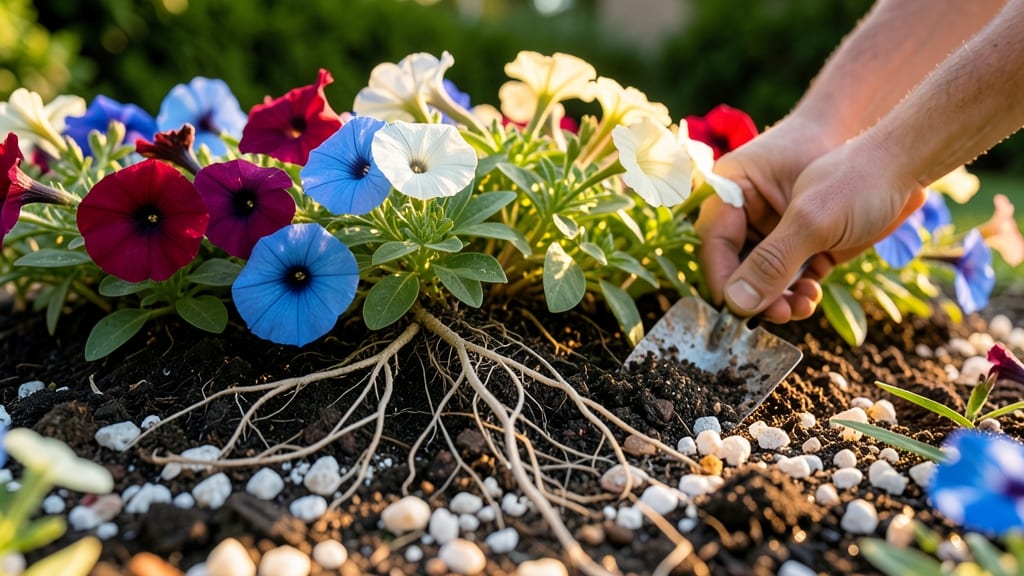
Petunias may love to show off their vibrant blooms, but their roots are far more delicate than you might think. The key to keeping them alive lies in soil that drains like a dream but holds just enough moisture—a tricky balance that prevents both drought stress and suffocating root rot.
Start with a loose, airy mix of 60% high-quality garden soil, 20% well-aged compost (for nutrients), and 20% perlite or coarse sand (for drainage). Avoid heavy clay soils—petunias will sulk in them. For containers, add a handful of orchid bark to further improve aeration. Test your mix by squeezing a handful: it should crumble easily, not clump like wet sand.
This soil strategy works wonders for container gardeners and beginners alike, giving petunias the stable foundation they need to focus on blooming instead of struggling. Your roots will thank you with lush, happy plants. 🌱
Watering Schedule to Prevent Common Diseases
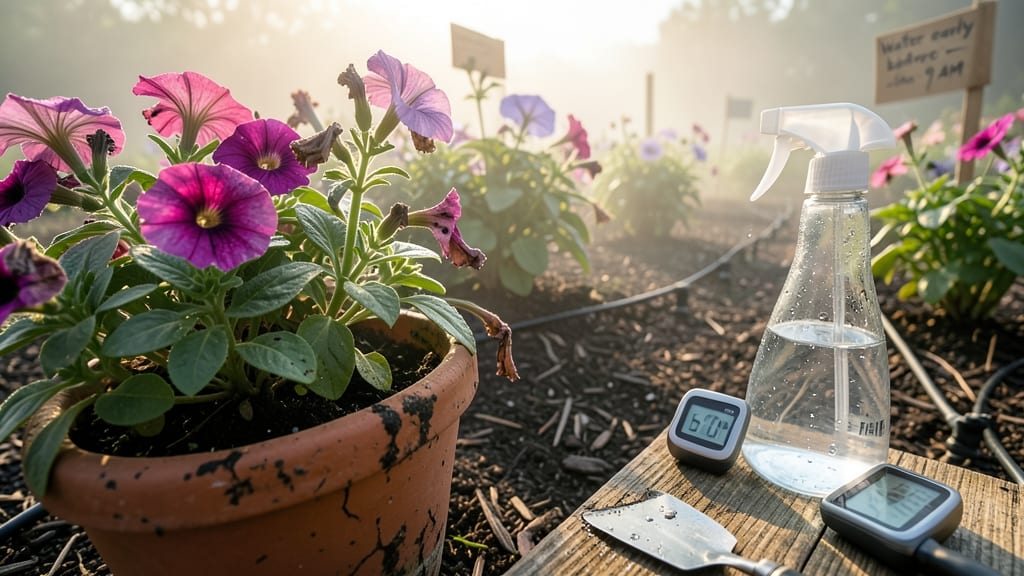
Struggling with petunias that wilt or develop black spots? The key isn’t just how much you water—it’s when and how you do it. A precise watering schedule prevents both root rot from overwatering and wilting from drought stress, while keeping fungal diseases at bay.
Water your petunias early in the morning (between 6-9 AM) to allow foliage to dry quickly, reducing humidity that fuels powdery mildew and botrytis. Aim for 1-1.5 inches of water per week, delivered directly to the soil—not the leaves—to avoid moisture-related pests. For containers, check soil moisture daily: stick your finger 1 inch deep—if it’s dry, water thoroughly until it drains from the bottom.
This schedule works best for urban gardeners with limited time and beginners overwhelmed by complex care routines. Consistent morning watering mimics natural rainfall patterns, giving your petunias the steady hydration they crave without the guesswork. 💡
Deadheading for Longer Blooming Seasons
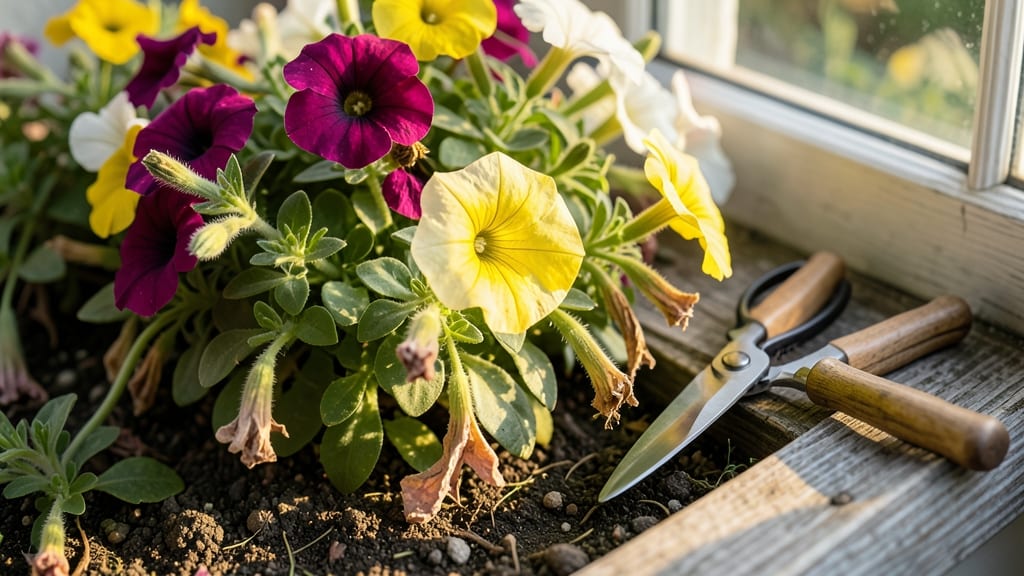
Your petunias might be blooming beautifully now, but skipping deadheading means those vibrant flowers could fade weeks sooner than they should. When you ignore spent blooms, your petunias waste precious energy producing seeds instead of creating more stunning petals.
Use clean, sharp garden shears or your fingers to pinch off faded flowers at the base of the stem. Focus on morning deadheading when blooms are dry—this prevents fungal growth and encourages new buds to form. For trailing varieties, trim just above a leaf node to promote bushier growth. With consistent deadheading, you’ll enjoy 3-4 weeks of extra blooms without extra effort.
This technique is a game-changer for container gardeners and busy homeowners—it requires just 5 minutes daily and transforms a single-season plant into a long-lasting showstopper. 🌻
Fertilizer Types That Boost Flower Production
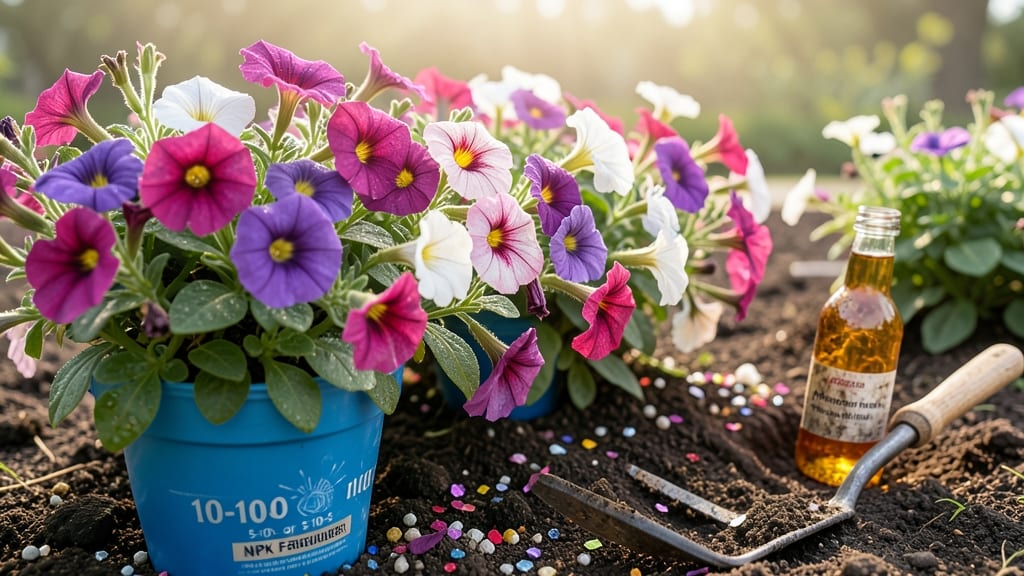
Want petunias that bloom like nonstop confetti? The secret lies in feeding them the right nutrients—phosphorus-heavy fertilizers are your best friend for vibrant flowers. Petunias crave a balanced 10-10-10 or 5-10-5 ratio (nitrogen-phosphorus-potassium) to produce more blooms, not just leaves.
For organic options, try fish emulsion (high in nitrogen) followed by bone meal (phosphorus boost) every 4-6 weeks. Synthetic choices like slow-release 14-14-14 granules or liquid bloom boosters work too—just avoid high-nitrogen lawn fertilizers. Always water before applying to prevent root burn, and stop fertilizing 6 weeks before frost to encourage hardier growth.
This targeted feeding transforms petunias from occasional bloomers to season-long showstoppers, perfect for container gardeners or anyone tired of sparse flowers. 🌻
Pest Control Without Harmful Chemicals
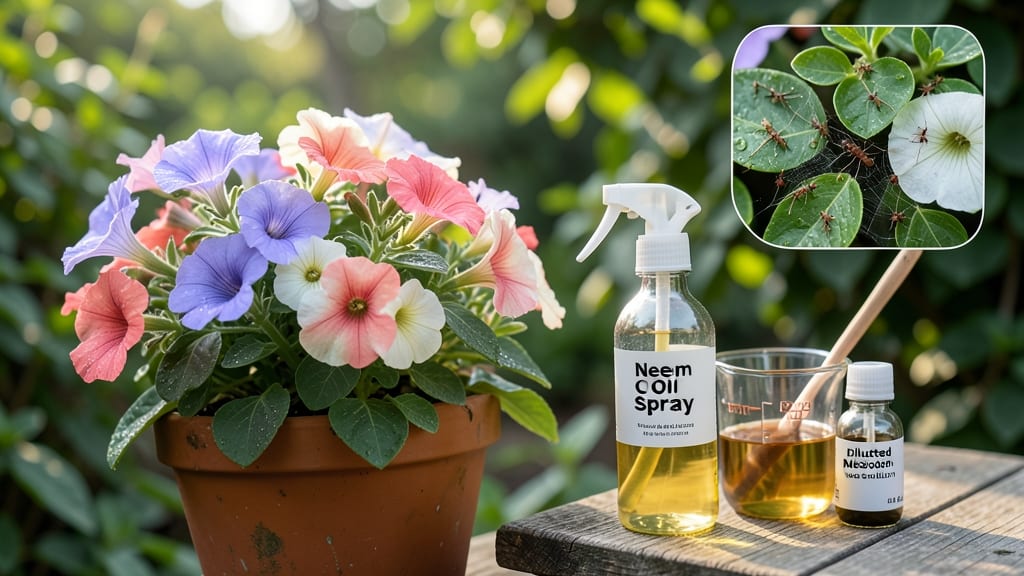
Petunias may be magnets for aphids and spider mites, but you can banish these pests without resorting to harsh chemicals. These natural solutions keep your plants thriving while protecting bees and other pollinators that visit your garden.
Start with a neem oil spray (1 tsp per quart of water) applied in the early morning to avoid harming beneficial insects. For stubborn infestations, mix insecticidal soap with water and spray directly on pests—this breaks their protective shells. Introduce ladybugs or lacewings as natural predators, or plant marigolds nearby to repel pests with their strong scent.
These methods work best for gardeners who prioritize eco-friendly solutions and want to avoid disrupting their garden's delicate balance. Your petunias—and pollinators—will thank you! 🌿
Pruning Techniques for Bushier Growth
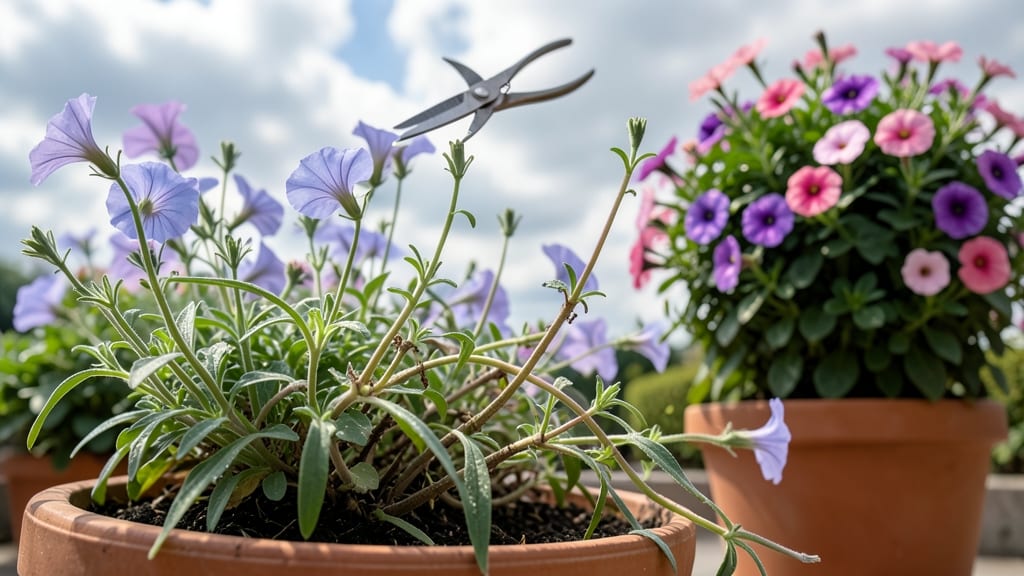
Struggling with tall, spindly petunias that flop over in the breeze? Regular pruning transforms leggy stems into fuller, bushier plants that stay compact and resilient. The key is timing and technique—trim at the right moments to encourage dense growth without sacrificing blooms.
Start pruning when plants reach half their mature height (usually 6–8 weeks after transplanting). Use clean, sharp shears to cut just above a leaf node—this redirects energy to side shoots, producing more branches and flowers. For wind-prone areas, pinch back the tips of new growth to encourage branching. Repeat every 4–6 weeks throughout the growing season to maintain shape and density.
This method works especially well for container-grown petunias or those in exposed locations. With consistent pruning, you’ll enjoy a thicker, more vibrant plant that blooms abundantly and stands up to wind and rain. 🌻
Protecting Petunias from Extreme Weather
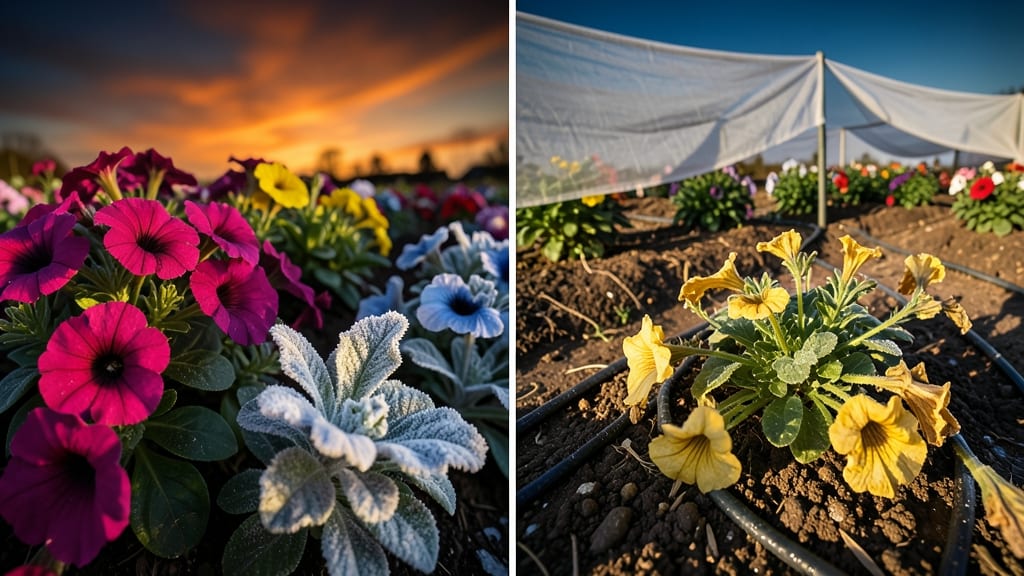
Extreme weather can turn your petunias from vibrant blooms to sad, wilted plants overnight—but these seasonal strategies keep them thriving. Heatwaves and sudden frosts are the biggest threats, but with the right adjustments, you can shield your plants without sacrificing their natural beauty.
For heatwaves, mist your petunias lightly in the early morning to cool the leaves and reduce water loss. Use shade cloth (30-50%) during peak afternoon sun, and always water at the base to avoid scorching foliage. When frost threatens, cover plants with frost cloth or old bedsheets secured with stakes—remove it once temperatures rise to avoid overheating.
These simple tweaks are perfect for gardeners in unpredictable climates or those who want to extend their petunias' blooming season. With a little seasonal foresight, your petunias will stay lush and colorful all year. 🌻
Container Gardening Tips for Petunias
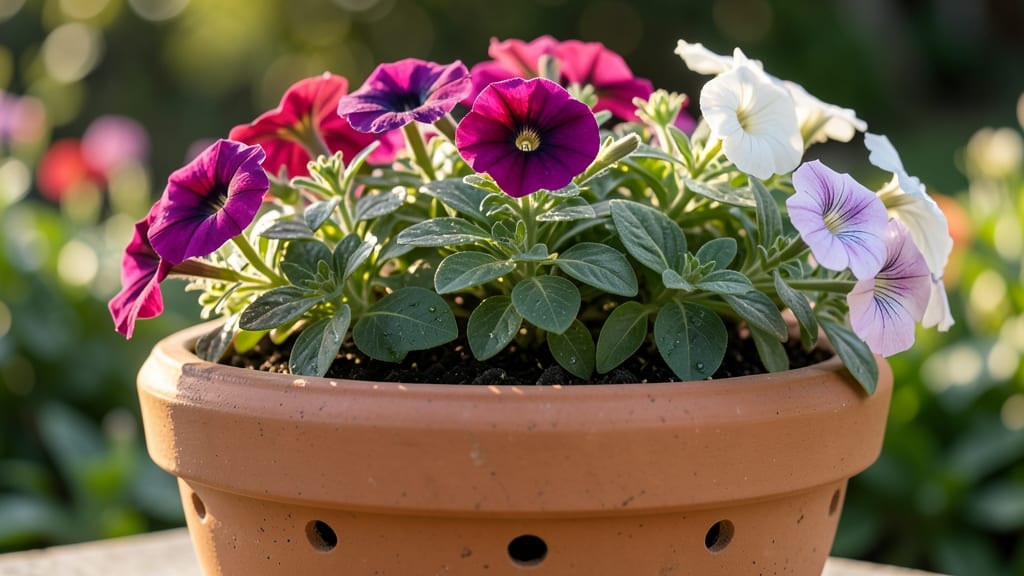
Petunias bring bold color to small spaces, but their container success depends on the right setup. Too-small pots or poor drainage can turn your vibrant blooms into struggling survivors—don’t let this happen to your petunia plants!
Start with containers that are at least 12 inches wide for bush varieties and hanging baskets with 10+ inches of depth for trailing types. Add 3-4 drainage holes to prevent waterlogging, and use lightweight potting mix with perlite or vermiculite. Elevate pots on saucers or stands to avoid soggy roots from excess moisture.
Urban gardeners and balcony growers will love this space-saving solution—just
Overwintering Petunias for Next Year’s Blooms

Why toss out your beloved petunias every fall? With this simple overwintering method, you can regrow your favorite varieties year after year—no fancy equipment needed. Just a few cuttings and a sunny windowsill can turn last year’s blooms into next season’s showstoppers.
Start by snipping 4-6 inch cuttings from healthy stems in late summer or early fall, just above a leaf node. Remove lower leaves and place them in water, keeping them in bright, indirect light. After 2-3 weeks, roots will form—then transplant into small pots with well-draining soil. Keep them indoors until spring, when you’ll replant them outside for a head start on blooming.
This trick is perfect for gardeners who love specific petunia colors or varieties but hate the annual replanting cycle. With minimal effort, you’ll enjoy year-round satisfaction from your favorite flowers. 🌷