
Pests
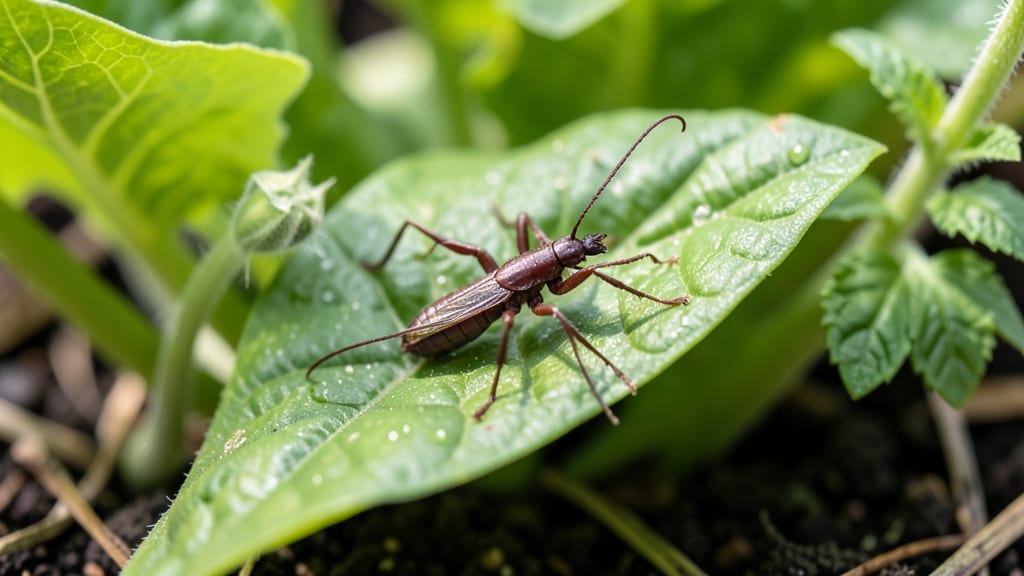
How to keep rabbits away from your vegetable garden without fences or traps—because these clever, furry bandits can turn your hard work into a midnight snack in one night. 🌿 I’ve lost entire rows of lettuce and peas to these thieves—until I discovered these fence-free tricks that actually work without harming them. The secret isn’t just one method but a layered approach: strong-smelling repellents, plants rabbits hate, and clever landscaping tweaks. Chili pepper spray, garlic cloves, and even marigolds create a rabbit-proof zone that’s safe for pets and pollinators. By combining these strategies, you’ll see fewer nibbled leaves and more thriving veggies in just a few days. No more waking up to half-eaten seedlings or chewed stems—just a garden that rabbits think twice about visiting. Works for small urban plots or sprawling backyard gardens. Here’s how to set it up without a single fence post in sight.
📚 In This Guide
- What you need
- Instructions
- Tips and common mistakes
- Wrapping up and next steps
What you need
- ● Natural repellents: Commercial rabbit repellent spray (e.g., Liquid Fence or Bobcat’s) – 1–2 gallons (or DIY alternatives like garlic, hot pepper, or predator urine—see tips below!)
- ● Crushed red pepper flakes or cayenne pepper – 1–2 cups
- ● Fresh garlic cloves – 10–15 cloves (for DIY sprays)
- ● Physical barriers (low-cost options): Chicken wire or hardware cloth – 10–20 ft roll (mesh size: 1/2-inch or smaller to block tiny noses!)
- ● Plastic plant guards or tree collars – 5–10 units (for individual plants like lettuce or carrots)
- ● Old CDs or aluminum pie pans – 5–10 pieces (scatter around garden edges)
- ● Scent distractions: Predator urine (coyote, fox, or bobcat) – 1–2 bottles (or DIY with ammonia-soaked rags)
- ● Strong-smelling herbs (rosemary, mint, or lavender) – 1–2 bunches (plant near garden borders)
- ● Garden hose with spray nozzle – 1 (for mixing repellents)
- ● Spray bottle – 1–2 (for targeted applications)
- ● Gloves – 1 pair (to handle pepper flakes or garlic safely)
- ○ Optional but handy: Motion-activated sprinkler – 1 (for automated scaring)
- ● Ultrasonic repellent device – 1 (battery-powered, rabbit-specific)
- ● Stakes or flags – 5–10 (to mark treated areas)
Step-by-step instructions for fence-free rabbit deterrents
Here's my battle-tested system for protecting your garden without building a fence—using natural repellents and smart placement.
🌱 Step 1: Identify Rabbit Hotspots and Entry Points
Start by walking your garden's perimeter at dawn or dusk—the times rabbits are most active. Look for chewed plants, small, round droppings, or disturbed soil where they've dug. These are your high-risk zones. I mark them with small flags or chalk so I can focus deterrents there first.
Check for gaps in existing barriers like sheds or decks—rabbits squeeze through surprisingly small openings. Even a 3-inch gap is enough for them to hop through. If you spot fresh tracks or nibbled leaves near these areas, prioritize those spots for your first deterrent applications.
🌿 Step 2: Apply Commercial Rabbit Repellents Strategically
Use a rabbit-specific repellent (like Liquid Fence or Bobbex) on high-risk plants, focusing on the lower 6-12 inches where rabbits browse. I spray a 1-inch band around the base of each plant and reapply every 7-10 days or after rain. The key is consistency—rabbits learn to ignore deterrents if they're not refreshed regularly.
For maximum effectiveness, combine repellents with a physical barrier. I wrap the lower stems of young plants with hardware cloth (1/4-inch mesh), leaving just the top leaves exposed. This stops rabbits from reaching the tender growth while the repellent keeps them from trying too hard.
✂️ Step 3: Create Natural Barriers with Pruned Plants
Plant rabbit-deterrent herbs like rosemary, thyme, or sage around your garden's perimeter. Rabbits avoid these strong-scented plants, and they'll grow tall enough to create a natural barrier. I also use pruned branches from fruit trees or evergreens, arranging them in a 3-foot-high circle around the garden. The uneven, spiky structure confuses rabbits and makes them think the area is unsafe.
Move these barriers every 2-3 weeks to prevent rabbits from learning to navigate around them. The disruption keeps them on their toes—literally. I also sprinkle crushed red pepper flakes along the base of the barriers for an extra kick of deterrence.
💧 Step 4: Use Motion and Noise Deterrents
Place a wind chime or solar-powered motion-activated sprinkler near entry points. The sudden noise or spray of water startles rabbits and teaches them to avoid the area. I position mine where I've seen the most activity—usually near garden gates or along fences. A single scare is enough to make them think twice about returning.
For a more permanent solution, install a predator decoy like a fake owl or snake near the garden. Move it every 3-4 days so rabbits don't get used to it. I also use a radio playing talk show static on a low setting near the garden at night—rabbits are sensitive to unpredictable sounds and will avoid areas that seem "loud" or chaotic.
☀️ Step 5: Maintain and Monitor for Long-Term Success
Check your deterrents every 3 days during growing season. Replace any that have degraded (like worn-out hardware cloth or faded repellent sprays). I keep a log of rabbit activity—marking down where I see signs of chewing or digging. This helps me adjust my strategy before problems escalate.
If you notice rabbits ignoring a deterrent, switch to a different method. For example, if repellent isn't working, try a physical barrier like chicken wire wrapped around plants. The key is flexibility—rabbits are smart, and what works one season might not work the next. Stay one step ahead by rotating your tactics.
Tips & tricks for effective vegetable garden rabbit protection
These battle-tested strategies will help you create a rabbit-resistant garden without building costly fences.
Timing is Everything: Dawn and dusk are when rabbits are most active, so that's when you should inspect your garden for signs of their activity. I've found that marking high-risk zones with small flags helps me focus deterrents where they're needed most. This proactive approach prevents rabbits from establishing patterns—they won't know where to find easy meals.
Layered Defense Strategy: The key to long-term success is combining multiple deterrent methods. For example, I always pair commercial repellents with physical barriers like hardware cloth. This creates a multi-sensory deterrent that's much harder for rabbits to ignore. The repellent makes them think twice, while the physical barrier provides absolute protection for young plants.
Seasonal Adaptation: Rabbit behavior changes with the seasons. In early spring, focus on motion deterrents since rabbits are more active during nesting season. By late summer, when they're more focused on eating, switch to stronger repellents and physical barriers. I adjust my tactics every 6-8 weeks to stay ahead of their evolving habits.
Visual Cues Matter: When applying repellents, focus on the lower 6-12 inches of plants where rabbits browse. I use a spray bottle with a fine mist setting to create a visible 1-inch band around each plant stem. This visual cue tells rabbits "this plant is protected" before they even take a bite. The consistency of this application is what makes it effective over time.
Pro Tips for Keep Rabbits Away From Vegetable Garden
- These battle-tested strategies will help you create a rabbit-resistant garden without building costly fences.
- Timing is Everything: Dawn and dusk are when rabbits are most active, so that's when you should inspect your garden f...
- Layered Defense Strategy: The key to long-term success is combining multiple deterrent methods. For example, I always...
Frequently asked questions
Got questions about keeping rabbits out of your garden without fences? You’re not alone!
Here are answers to the most common concerns—plus a few pro tips to make your veggie patch rabbit-proof for good.
What’s the fastest way to repel rabbits if they’re already eating my plants?
Act fast with a mix of physical barriers (like wire mesh wrapped around young plants) and strong scents. Sprinkle hot pepper flakes or predator urine (coyote or fox) around the garden edges. Reapply after rain—rabits are deterred by what’s new and strong.
When is the best time of year to set up rabbit deterrents?
Start early spring (before planting) or late winter (if rabbits are active year-round in your climate). Rabbits scout for food in cool, damp weather, so March–April is prime time. If you’re in a warm region, fall planting also needs protection—rabbits love tender new shoots!
Are there humane alternatives to repellents with strong chemicals?
Try these pet-safe options:
- Plant garlic or chives around your garden—rabits hate the smell.
- Use compost bins (they dislike digging through them).
- Set up wind chimes or old CDs on stakes—the movement startles them.
- Livestock guardian dogs (like Great Pyrenees) or even a cat can patrol naturally.
How often do I need to refresh rabbit deterrents?
Check deterrents weekly after rain, watering, or heavy dew. Scents (like pepper spray or urine) fade in 1–2 weeks, while physical barriers (like mesh) last longer but may need tightening. Natural repellents (like plants) need no maintenance—just replant as needed!
Will rabbits eventually ignore deterrents if I use them all the time?
Yes, but you can outsmart them! Rabbits are curious but lazy—if a deterrent works once, they’ll avoid it. Change tactics seasonally (e.g., switch from pepper spray to predator urine in summer). Also, mix textures: Combine scents, sounds, and barriers for a multi-sensory defense they can’t ignore.
What if rabbits keep coming back even after I’ve tried everything?
Time to assess their access points:
- Are they tunneling under fences? Bury wire mesh 6+ inches deep.
- Do they jump over? Extend barriers at least 2 feet high.
- Is food elsewhere luring them? Remove wild rabbit forage (weeds, clover) nearby.
Wrapping up and next steps
Keeping rabbits out of your veggie patch doesn’t have to mean building an expensive fence—just a little creativity and consistency!
From natural repellents like garlic spray and predator urine to strategic planting with rabbit-resistant herbs, these methods are simple, budget-friendly, and effective. 🌱✨ The key is combining a few tactics and staying persistent; rabbits will give up if their favorite snacks aren’t accessible.
Ready to reclaim your garden? Start with one or two deterrents this week—test what works best in your space, then expand. Happy gardening, and may your carrots (and peace of mind) stay rabbit-free! 🥕💪