
Tools
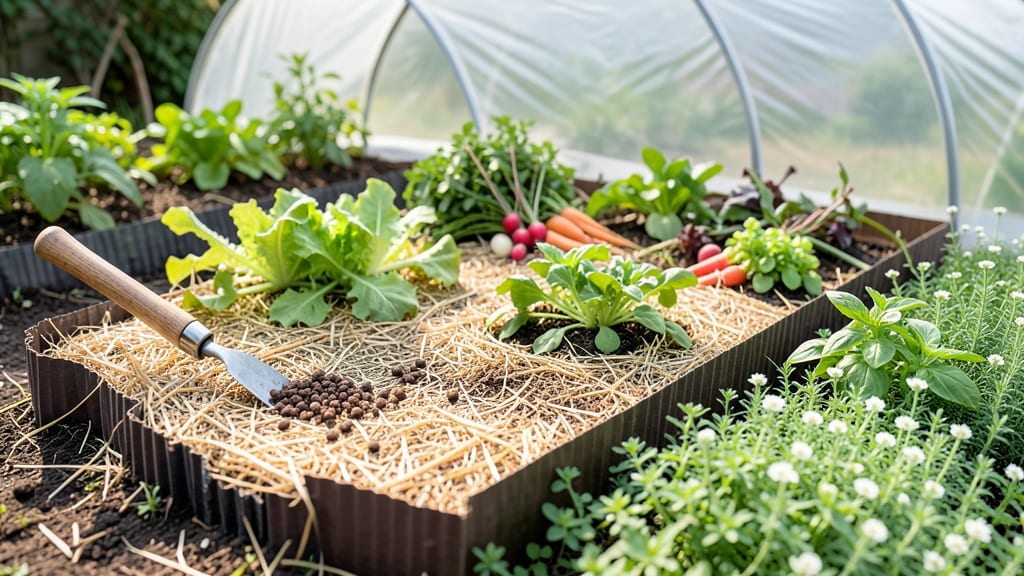
How to keep weeds down in the garden before they even take root is easier than you think—no more endless pulling or harsh chemicals. The mulch-and-vinegar combo I discovered last spring finally gave me the upper hand: no more backbreaking labor or chemical warfare. This method works fast, keeps weeds suppressed for months, and won’t harm your plants if done right.
The secret lies in layering: 3-4 inches of mulch blocks sunlight (weeds' worst enemy), while undiluted vinegar (5% acetic acid) zaps existing weeds on contact.
You'll need a spray bottle, some organic mulch (straw or wood chips work best), and patience—this isn't a one-time fix but a seasonal routine that pays off big time.
By late summer, your garden beds will look neat, weed-free, and thriving while requiring half the effort. The mulch also retains moisture, feeds soil, and keeps roots cool—basically doing triple duty. Plus, you'll avoid the dreaded "weed war" that turns gardening into a chore instead of a joy.
Works for vegetable gardens, flower beds, and even between pavers. The key is consistency—apply mulch after rains and spot-treat weeds before they seed. Here's how to make it happen without the hassle.
📚 In This Guide
- What you need
- Instructions
- Tips and common mistakes
- Wrapping up and next steps
What you need
- ● Garden gloves (1 pair) – Protect your hands from vinegar and sharp mulch.
- ● Watering can or hose – For precise vinegar application (1–2 gallons capacity).
- ○ Spray bottle (optional) – For spot-treating small weeds (8–16 oz, with a fine mist nozzle).
- ● Garden fork or rake – To loosen soil before mulching (medium-sized, 6–8" tines).
- ● Wheelbarrow or bucket – For mixing mulch or carrying supplies (5+ gallon capacity).
- ● Organic mulch (2–4 inches depth, per 10 sq ft): Shredded bark or wood chips
- ● Straw or hay (avoid if weed seeds are present)
- ● Pine needles or leaves
- ○ Inorganic mulch (optional): Landscape fabric (with holes for plants)
- ● Gravel or stones (for rocky gardens)
- ● White vinegar (20–30% acetic acid) – 1 gallon per 10 sq ft (household vinegar works but may require reapplication).
- ○ Dish soap (optional) – 1–2 tbsp per gallon to help vinegar stick to weeds.
- ○ Salt (optional) – 1 cup per gallon (use sparingly—can harm soil over time).
- ● Sunny day? Apply vinegar on a clear, dry day (humidity reduces effectiveness).
- ● Target weeds—avoid spraying plants you want to keep!
- ● Layer mulch 2–4 inches thick to block sunlight and smother weeds.
Step-by-step instructions for natural weed control in your garden
Here's the simple routine I use to keep weeds from taking over without chemicals or backbreaking work.
Apply a Thick Layer of Mulch to Block Light
Spread 3-4 inches of organic mulch—like shredded bark, straw, or wood chips—over the soil surface. This creates a physical barrier that prevents weed seeds from reaching sunlight, where they need it to germinate. I like to use 3-4 inches because anything thinner lets weeds poke through.
Focus on the base of plants and garden beds, leaving a 1-2 inch gap around stems to prevent rot. Water the mulch lightly after applying to help it settle and make contact with the soil. You'll notice fewer weeds popping up within 2-3 weeks as the mulch does its job.
Spot-Treat Existing Weeds with Vinegar
For weeds that have already sprouted, use a 5% acetic acid vinegar solution (the kind sold for cleaning, not cooking vinegar) mixed with 1 tablespoon of dish soap per gallon. The soap helps the vinegar stick to the leaves. Fill a spray bottle and apply directly to the leaves on a sunny day—this ensures the vinegar works faster.
Spray until the leaves are completely saturated, but avoid spraying desirable plants. Vinegar kills by dehydrating the weed, so you'll see wilting within hours and death within 1-3 days. This method works best on young weeds before they develop deep roots.
Maintain Mulch and Monitor Regularly
Check your garden weekly and replenish mulch as it breaks down or shifts. Over time, mulch decomposes and loses thickness, so adding a fresh layer in early spring and late fall keeps weeds suppressed year-round. I also pull any weeds that slip through the mulch before they go to seed.
If you notice weeds growing along fence lines or walkways, apply a pre-emergent herbicide (like corn gluten meal) in early spring to prevent seeds from sprouting. This is especially helpful in high-traffic areas where mulch alone might not be enough.
Prevent Weeds Long-Term with Smart Garden Practices
Reduce weed seeds in the soil by removing weeds before they flower—this stops them from spreading. I also plant dense ground covers like clover or creeping thyme in sunny spots, as they outcompete weeds naturally. In shadier areas, hostas or lamium do the same job beautifully.
Finally, keep your garden beds well-watered so weeds struggle to establish. Healthy plants grow faster and crowd out weeds before they become a problem. With this routine, I've cut my weeding time by 70%—and my back pain too!
Tips & tricks for natural weed control that actually works
Real talk: I've spent years perfecting this weed control routine, and these little details make all the difference between a weed-free garden and one that feels like a never-ending battle.
Mulch Depth Matters: That 3-4 inch layer of mulch isn't just arbitrary—it's the magic number for blocking sunlight completely. I've tried thinner layers and always end up with weeds poking through within weeks. For extra insurance, especially in high-traffic areas, consider a double layer: first 1-2 inches of straw to wick moisture away from plant stems, then your 3-4 inches of wood chips on top. The straw layer also helps prevent fungal issues by keeping stems dry.
Timing for Vinegar Spot-Treatment: The instructions mention applying vinegar on sunny days, but here's what nobody tells you—morning is the absolute best time. Dew hasn't evaporated yet, so the vinegar will cling better to weed leaves. Plus, the sun will be intense enough to accelerate the dehydration process. I've found that weeds treated in the morning are completely crispy by evening, while afternoon applications take the full 1-3 days to work. Just be sure to check the weather forecast first—rain within 24 hours will wash away the vinegar.
Preventative Maintenance Wins: That weekly check isn't just about pulling weeds—it's about catching them before they go to seed. I keep a small trowel and trash bag handy while I'm already in the garden for other tasks. The key is to remove weeds completely, including the roots, so they can't regrow. For stubborn weeds like dandelions, I use a dandelion weeder tool that gets the entire taproot in one pull. This might seem tedious, but trust me, it saves hours of weeding later when those weeds would have spread everywhere.
Seasonal Strategy: Don't let your mulch become a weed magnet by getting too thin. In early spring, before weeds even think about sprouting, I spread a fresh 1-inch layer of mulch over my existing mulch. This gives me that full 3-4 inches again and acts as a fresh barrier. In late fall, I'll add compost to the top of my mulch—it breaks down over winter, enriching the soil while still maintaining weed suppression. This seasonal refresh keeps my garden looking neat year-round with minimal effort.
Pro Tips for Keep Weeds Down In Garden
- Real talk: I've spent years perfecting this weed control routine, and these little details make all the difference between a weed-free garden and one that feels like a never-ending battle.
- Mulch Depth Matters: That 3-4 inch layer of mulch isn't just arbitrary—it's the magic number for blocking sunlight completely.
- Timing for Vinegar Spot-Treatment: The instructions mention applying vinegar on sunny days, but here's what nobody tells you—morning is the absolute best time.
Frequently asked questions
Got questions about keeping weeds under control?
You're not alone! Here are answers to the most common concerns gardeners have when tackling weeds—especially with mulch and vinegar methods.
What’s the best time of year to treat weeds with vinegar?
The ideal time is on a warm, sunny day (70°F+ or 21°C+) when weeds are actively growing. Early morning or late afternoon applications minimize evaporation. Avoid treating during drought or right before rain—vinegar needs time to work!
Will vinegar kill my plants or flowers?
Yes, vinegar is non-selective, meaning it’ll kill anything it touches—plants, flowers, and weeds. Always apply it only to weeds using a spray nozzle with a precise tip (like a foam or flat-fan). For edible gardens, spot-treat carefully and avoid overspray.
How often should I reapply mulch or vinegar?
Mulch lasts 3–6 months before breaking down (check thickness: 2–4 inches). Reapply as needed. Vinegar breaks down quickly—retreat weeds every 1–2 weeks until they’re gone (or use a vinegar + salt mix for stubborn types).
Are there natural alternatives to vinegar for weed control?
Try these DIY options:
- Boiling water: Pour directly on weeds (best for cracks in pavement).
- Corn gluten meal: A pre-emergent herbicide (apply in early spring).
- Salt + dish soap: Mix 1 cup salt + 1 gallon water + 1 tbsp soap (use sparingly—harms soil).
- Newspaper/cardboard: Smother weeds under layers before adding mulch.
Why are weeds coming back after I treated them?
Weeds often regrow from roots or seeds left in the soil. For persistent weeds:
- Dig up taproots (like dandelions) completely.
- Use a vinegar + dish soap mix (soapy water helps it stick).
- Apply corn gluten meal to prevent new seeds from sprouting.
- Check for hidden seeds in mulch—refresh your mulch layer annually.
Wrapping up and next steps
Keeping weeds at bay doesn’t have to be a battle—with the right mulch and vinegar combo, you’ll reclaim your garden with ease! 🌱 The key is consistency: layer mulch thickly, apply vinegar strategically, and stay proactive with maintenance. Remember, even small efforts add up over time.
Now that you’re armed with these natural, budget-friendly solutions, it’s time to roll up your sleeves and transform your garden into a lush, weed-free paradise. Start with one section this weekend—you’ve got this! 💪