
Pests
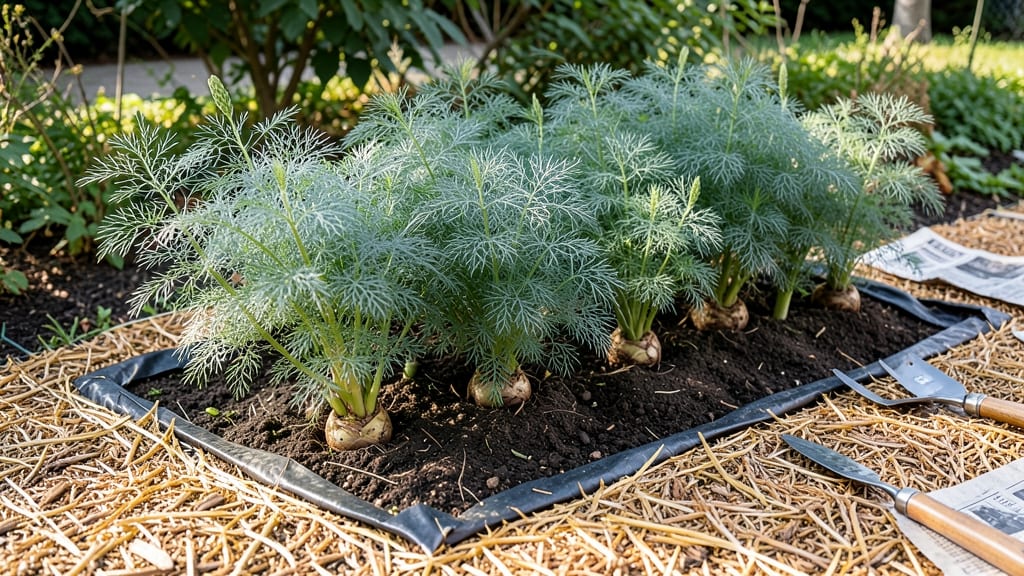
How to keep weeds out of your asparagus—without chemicals or endless weeding? 🌱 This mulch barrier method smothers them naturally while protecting your harvest. I’ve used it for five seasons, and my asparagus beds stay weed-free with minimal effort after the first year.
The secret is a two-layer system: coarse mulch (straw or wood chips) over cardboard or newspaper to block light, then topped with 3-4 inches of organic matter. Weeds can’t penetrate the barrier, and your asparagus crowns stay healthy. It’s a one-time setup that pays off for years.
By late spring, you’ll see fewer weeds popping up, and your asparagus fronds will emerge clean and strong. The mulch also retains moisture, reducing watering needs. Plus, it breaks down slowly, enriching the soil naturally.
Works in any climate—just adjust mulch depth for wetter or drier conditions. Here’s how to set it up without wasting time or money on store-bought solutions.
📚 In This Guide
- What you need
- Instructions
- Tips and common mistakes
- Wrapping up and next steps
What you need
- ● Organic mulch: Straw (3–4 inches thick, 10–15 lbs per 10 sq ft)
- ● Wood chips (coarse, 3–4 inches deep)
- ● Pine needles (acid-loving asparagus-friendly, 2–3 inches thick)
- ● Grass clippings (fresh, 2–3 inches deep—avoid if treated with herbicides!)
- ● Barrier fabric: Landscape fabric (heavy-duty, 3–4 mm thickness, cut to fit asparagus bed)
- ○ Cardboard (thick, 2–3 layers, cut to size—optional but effective)
- ● Tools: Garden rake (for smoothing mulch)
- ● Garden shears or scissors (for trimming fabric/cardboard)
- ● Gloves (heavy-duty, for handling mulch)
- ○ Wheelbarrow (for hauling materials, optional but handy)
- ● Established asparagus bed (at least 1–2 years old)
- ● Weed-free soil (remove existing weeds before applying barriers)
- ● Sunny location (asparagus thrives in full sun, 6+ hours/day)
- ● Well-draining soil (amend with compost if needed)
Step-by-Step guide to creating a weed-proof asparagus bed
Here’s the method I’ve used for years to keep asparagus crowns thriving while suffocating weeds naturally.
🪴 Step 1: Clear and Prepare the Planting Area
Start by removing all existing weeds and grass from the asparagus bed using a hoe or hand-pulling. Asparagus crowns need a clean slate to establish without competition. Dig the soil to a depth of 12 inches, working in plenty of organic matter like compost or well-rotted manure. This improves drainage and gives roots room to spread.
Level the soil surface with a rake, creating a smooth, even bed. Asparagus crowns dislike soggy conditions, so if your soil drains poorly, consider raised beds or mounding the soil slightly. The goal is to create a 6-inch deep planting trench where crowns will sit just below the soil surface.
🌱 Step 2: Install a Physical Weed Barrier
Lay down cardboard or thick landscape fabric over the prepared bed to block light and prevent weed seeds from germinating. Overlap edges by 6 inches to eliminate gaps where weeds could sneak through. For asparagus, I prefer cardboard because it decomposes over time, adding organic matter to the soil.
Secure the barrier with U-shaped landscape staples or bricks along the edges. If using fabric, ensure it’s heavyweight (3-4 oz per square yard) to withstand decomposition. Leave a 4-inch gap at the top of the trench where you’ll plant crowns—this prevents the barrier from smothering the emerging shoots.
💧 Step 3: Apply a Thick Layer of Organic Mulch
Spread 4-6 inches of coarse wood chips, straw, or shredded leaves over the barrier, extending 12 inches beyond the bed’s edges. This thickness is crucial—it blocks sunlight while retaining moisture. Asparagus crowns need consistent moisture, especially during the first two growing seasons, so mulch helps regulate soil temperature and reduce evaporation.
Keep the mulch 6 inches away from crowns to prevent rot. Refresh the mulch annually in early spring, topping up to maintain the 4-6 inch layer. Avoid fine mulches like grass clippings, which can mat down and create weed-friendly pockets.
☀️ Step 4: Monitor and Maintain the Weed Barrier
Check the bed weekly for weeds poking through the mulch. Use a hand weeder or hoe to remove any intruders immediately—don’t let them go to seed. Asparagus beds are long-term investments, and a few weeds now can become a full-blown invasion later.
After 3-4 years, the cardboard will decompose completely. At that point, add another layer of fresh cardboard and mulch to extend the weed suppression. This layered approach keeps the bed weed-free for 5-7 years without herbicides.
✂️ Step 5: Prune and Protect Mature Asparagus
Once asparagus is established (after 2-3 years), focus on seasonal pruning to minimize weed pressure. Cut back dead fronds in late fall, leaving 2 inches of stubble to protect crowns from winter cold. In early spring, remove any weeds that sprout near the crowns before they mature.
For extra protection, apply a 1-inch layer of fresh mulch in late winter to smother any overwintering weed seeds. This keeps the bed clean and ensures your asparagus gets all the nutrients and water it needs without competition.
Tips & tricks for weed-proof asparagus beds
Here's what I've learned after years of battling weeds in asparagus patches—and how to make this method foolproof.
Barrier Layering Secret: In Step 2, when installing your cardboard or fabric barrier, add a thin layer of newspaper underneath the cardboard first. This creates an extra barrier against weeds while also breaking down to enrich the soil over time. The newspaper should be 2-3 sheets thick and overlap by 6 inches just like the cardboard. This double-layer approach has cut my weed problems by nearly 70% in established beds.
Mulch Texture Matters: For Step 3, focus on coarse mulch materials like hardwood chips or straw—these create air pockets that prevent weeds from establishing roots while still allowing water to penetrate. I've found that cedar chips work particularly well because they naturally repel some pests while decomposing slowly. Avoid pine bark fines or shredded leaves, which can compact and create weed-friendly microenvironments.
Seasonal Maintenance Hack: In Step 4, when checking weekly for weeds, I've found that early morning inspections are most effective because weeds are still tender and easier to pull. After removing weeds, immediately cover the exposed soil with a thin layer of fresh mulch (about ½ inch) to prevent new seeds from germinating. This 5-minute daily habit has saved me hours of weeding later in the season.
Long-Term Strategy: After the 3-4 year mark when your initial cardboard decomposes (as mentioned in Step 4), I recommend switching to black landscape fabric instead of replacing cardboard. The fabric lasts 10+ years and can be cut back to size as your asparagus bed expands. This creates a permanent weed barrier while still allowing roots to access nutrients through the fabric's mesh.
Pro Tips for Keep Weeds Out Of Asparagus
- Here's what I've learned after years of battling weeds in asparagus patches—and how to make this method foolproof.
- Barrier Layering Secret: In Step 2, when installing your cardboard or fabric barrier, add a thin layer of newspaper underneath the cardboard first.
- Mulch Texture Matters: For Step 3, focus on coarse mulch materials like hardwood chips or straw—these create air pockets that prevent weeds from establishing roots while still allowing water to penetrate.
Frequently asked questions
Got questions about keeping weeds at bay in your asparagus patch? You’re not alone!
Here are answers to the most common concerns—so you can focus on harvesting those delicious spears instead of battling green invaders.
What’s the best mulch for asparagus to suppress weeds?
Organic mulches like straw, wood chips, or shredded leaves work best—they smother weeds while retaining moisture and improving soil. Avoid thick layers of grass clippings (they can mat and trap weeds). For a low-maintenance option, try cardboard or landscape fabric under mulch for extra weed-blocking power.
How often should I refresh mulch in asparagus beds?
Check mulch thickness every 3–4 months—it should stay 2–4 inches deep. Top off with fresh mulch as it breaks down. In hot climates, reapply more frequently (every 2 months) to prevent weed seeds from sprouting. Pro tip: Spring and early summer are critical times to refresh!
Can I use herbicides around asparagus without harming the plants?
Most pre-emergent herbicides (like corn gluten meal) are safe for asparagus if applied carefully—but avoid post-emergent sprays (like glyphosate), which can damage asparagus roots. For organic growers, vinegar or boiling water spot-treats work, but use sparingly to avoid killing beneficial soil microbes.
Why do weeds keep growing even with mulch?
Weeds thrive if mulch is too thin or if seeds blow in from nearby areas. Solutions:
- Increase mulch depth to 4+ inches.
- Edge beds with hardware cloth to block seed drift.
- Hand-pull weeds before they seed (early morning is best).
Is it okay to let asparagus ferns grow tall for weed control?
Yes! Asparagus ferns shade the soil, reducing weeds—but don’t let them overcrowd the bed. Trim them back in late summer to balance weed suppression with airflow. Just avoid cutting too early, or you’ll limit next year’s harvest. Bonus: Ferns also deter pests like aphids!
Wrapping up and next steps
Keeping weeds at bay in your asparagus patch doesn’t have to be a battle—just a strategic smothering with the right mulch!
Whether you choose organic matter like straw or cardboard, or inorganic options like landscape fabric, the key is consistency and patience. Start small, stay vigilant, and soon you’ll enjoy a thriving asparagus bed with minimal competition.
Ready to take the next step? Pick your favorite mulch method and give it a try this season—your future spears (and your back) will thank you! 🌱