
Pests
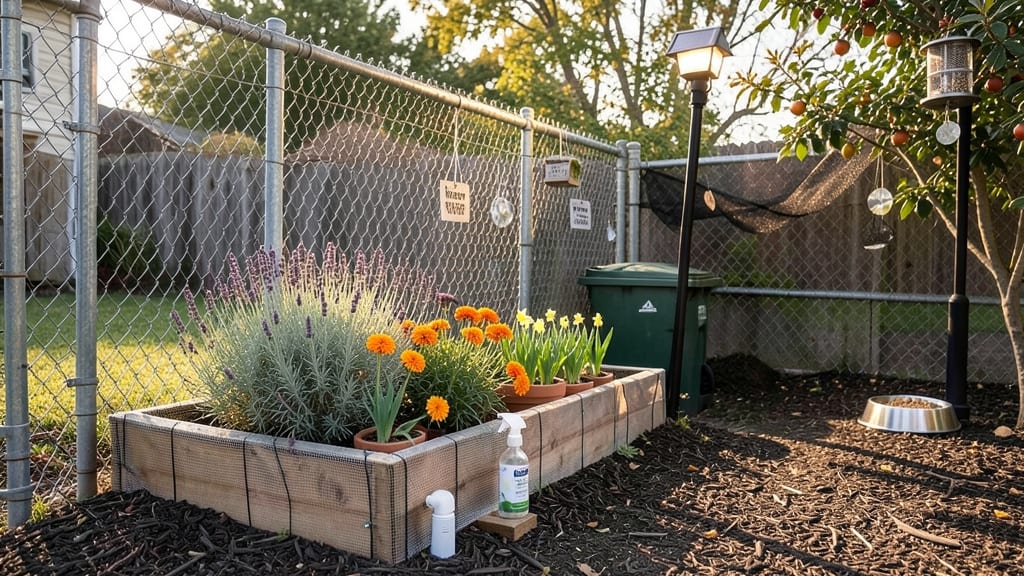
How to keep wildlife out of your yard without harming a single critter—my once-battered garden now thrives thanks to these clever, humane fixes. 🌿 Rabbits nibbled my hostas, deer munched my roses, and squirrels dug up my bulbs—until I discovered solutions that actually work without traps or chemicals.
The secret isn’t harsh repellents or cruel deterrents—it’s smart fencing, strategic scents, and habitat tweaks that make your yard less appealing. A 6-foot mesh fence stops deer, while companion plants like garlic and lavender deter rabbits naturally. Even a simple vinegar-soaked rag hung in problem areas keeps animals away.
You’ll see results within 2-3 weeks—no more chewed leaves, no more dug-up soil. The best part? These methods protect your garden and the local ecosystem. No more waking up to a yard that looks like a nature reserve.
Works for deer, rabbits, squirrels, and even hungry birds—no matter your yard size. Let’s get started with what actually keeps wildlife out for good.
📚 In This Guide
- What you need
- Instructions
- Tips and common mistakes
- Wrapping up and next steps
What you need
- ● Hardware cloth or mesh: ¼-inch to ½-inch (6mm–12mm) grid, enough to cover vulnerable areas (e.g., 10–20 ft rolls for small yards, 50+ ft for larger spaces). Pro tip: 💡 Galvanized steel lasts longer!
- ● Fence posts: 4–6 ft tall, treated wood or metal (4–6 posts per 10 ft section).
- ● Post hole digger or auger: Manual or electric (rent if needed).
- ● Concrete or post anchors: For securing posts (1 bag per post).
- ● Staple gun + heavy-duty staples: For attaching mesh to fences.
- ● Motion-activated sprinklers: Solar-powered (e.g., blank">ScareCrow) or battery-operated.
- ● Commercial wildlife repellents: Spray or granular (e.g., blank">Hot Pepper Wax or Predator Pee).
- ● Wire fencing: 2–3 ft tall for perimeter barriers (e.g., chicken wire for rabbits).
- ● Decoy predators: Fake owls, snakes, or coyotes (rotate weekly for realism!).
- ● Ultrasonic repellents: Battery-powered devices (🔊 Note: Effectiveness varies by species).
- ● Natural deterrents: Garlic spray, vinegar-soaked rags, or crushed red pepper flakes.
- ● Gloves + safety glasses: For handling mesh or repellents (safety first! 🛡️).
- ● Measure your yard’s perimeter and identify hotspots (e.g., near sheds, trash cans, or gardens).
- ● Check local regulations—some areas restrict fence heights or materials.
- ● Pick a dry day for installation (wet ground = messy concrete!).
Step-by-Step instructions for humane wildlife deterrents
Here's how to create a yard that's unwelcoming to critters without harming them.
🪴 Step 1: Install Physical Barriers with Strategic Placement
Start with chicken wire or hardware cloth (at least 1/4-inch mesh) to block burrowing animals like rabbits and groundhogs. Bury the mesh 12 inches deep around garden beds and flower areas—this prevents digging underneath. For above-ground pests like deer, install 8-foot tall fencing with no gaps larger than 4 inches (deer can squeeze through surprisingly small spaces).
Position fencing 1-2 feet away from shrubs or trees—wildlife often uses these as launch points to jump over barriers. I've seen raccoons and possums scale fences when placed too close to climbing surfaces. Secure corners with U-shaped stakes driven 6 inches deep into the ground for stability.
💧 Step 2: Apply Natural Repellent Scents at Key Entry Points
Use commercial wildlife repellents containing predator urine (like coyote or fox urine) or hot pepper extracts—apply these to fence lines, garden edges, and near compost bins. Reapply every 7-10 days or after rain, as scents wash away quickly. Focus on high-traffic areas where you've spotted animal activity, like along property lines or near bird feeders.
For a DIY approach, mix 1 part cayenne pepper with 1 part water and spray on plants. The capsaicin irritates sensitive noses and paws. I've had great luck with this near my vegetable garden—deer avoid the area completely after the first application. Just avoid spraying on days when rain is forecasted, or the solution loses effectiveness.
☀️ Step 3: Eliminate Food Sources and Shelter Opportunities
Remove all standing water sources—even shallow puddles attract wildlife. Replace bird feeders with hummingbird feeders (less appealing to larger animals) or place feeders 10+ feet from trees where critters can hide. Store trash cans in garages or sheds with locking lids—raccoons and opossums are notorious for knocking over unsecured bins.
Trim back dense shrubbery near your yard's perimeter to eliminate hiding spots. Keep grass mowed to 3-4 inches tall—taller grass provides cover for rabbits and rodents. I've seen skunks take up residence in unkempt areas, so regular yard maintenance makes your property less inviting. Seal any gaps in sheds, decks, or porches with steel wool and caulk to block entry points for small mammals.
✂️ Step 4: Use Motion-Activated Deterrents for Immediate Scare Tactics
Place motion-activated sprinklers near garden beds and entry points. These devices spray a 5-second burst of water when triggered, startling animals without harming them. Position them where wildlife frequently crosses—like paths between fences or garden edges. Most models cover 30-40 feet and can be adjusted for sensitivity to avoid false triggers from pets or wind.
For nocturnal visitors, install motion-activated lights with red or yellow bulbs (these are less startling than bright white lights). Animals associate sudden light with predators, so they'll avoid the area. I've had success with solar-powered models near my compost bin—opossums and raccoons stay away after a few nights of being startled.
⏰ Step 5: Monitor and Adjust Your Approach Seasonally
Check your deterrents every 2 weeks during active seasons (spring-fall) and monthly in winter. Replace any damaged fencing, reapply scents after heavy rains, and adjust motion sensors if wildlife has found ways to bypass them. Keep a journal of sightings—note which animals are visiting, where, and at what time of day. This helps you refine your strategy over time.
In early spring, focus on rodent deterrents like peppermint oil-soaked cotton balls placed in burrow holes. For summer, shift to deer repellents applied to garden plants. I've found that rotating deterrent methods prevents wildlife from becoming accustomed to one technique. If you notice increased activity after a few weeks, it's time to switch up your approach—animals learn quickly!
Tips & tricks for humane wildlife deterrents that actually work
Real talk: Wildlife deterrents only work if you implement them strategically. Here's what nobody tells you about making your yard truly unwelcoming to critters.
Barrier Placement is Everything: In Step 1, when installing your chicken wire or hardware cloth, don't just bury it 12 inches deep—create a slight outward flare at the top to prevent digging animals from climbing over. I learned this the hard way after groundhogs kept tunneling right under my initial installation. The flare acts as a physical deterrent that animals instinctively avoid. For deer fencing, add a 12-inch outward bend at the top to discourage jumping attempts—deer can clear 8-foot fences if they have enough momentum.
Repellent Application Strategy: When applying commercial repellents in Step 2, focus on creating a scent barrier rather than spot treatment. Apply a continuous line along fence perimeters and garden edges, then create a 3-foot wide band around high-traffic areas. The key is scent saturation—animals need to detect the repellent before they even consider entering. For your DIY cayenne pepper solution, double the concentration (2 parts pepper to 1 part water) for maximum effectiveness, but always test on a small plant first—some varieties are sensitive to capsaicin.
Seasonal Rotation is Non-Negotiable: In Step 5, when monitoring your deterrents, don't just check for damage—actively rotate your methods every 4-6 weeks to prevent wildlife from becoming accustomed to them. I've seen raccoons completely ignore motion-activated sprinklers after 3 weeks of exposure. Keep a deterrent rotation schedule in your journal: predator urine for 2 weeks, cayenne spray for 2 weeks, then motion lights for 2 weeks. This keeps animals guessing and maintains effectiveness.
Nighttime Lighting Hack: For nocturnal visitors like opossums and raccoons, install your motion-activated lights at head height (3-4 feet) rather than ground level. Animals are more sensitive to light at eye level, and this positioning creates a more effective psychological barrier. I've found that red LED bulbs work better than yellow for nighttime deterrence—they're less visible to humans but still startling to wildlife. Position them near compost bins and trash areas where nocturnal foraging typically occurs.
Pro Tips for Keep Wildlife Out Of Your Yard
- Real talk: Wildlife deterrents only work if you implement them strategically.
- Barrier Placement is Everything: In Step 1, when installing your chicken wire or hardware cloth, don't just bury it 12 inches deep—create a slight outward flare at the top to prevent digging animals from climbing over.
- Repellent Application Strategy: When applying commercial repellents in Step 2, focus on creating a scent barrier rather than spot treatment.
Frequently asked questions
Got questions about keeping wildlife at bay without harming them? You’re not alone—here are some of the most common concerns and straightforward answers to help you tackle the problem like a pro.
What’s the most effective scent to repel wildlife from my yard?
Strong, natural scents like peppermint oil, vinegar, or predator urine (coyote or fox) are top choices. Spray or soak cotton balls in these scents and place them around entry points. Reapply every few weeks or after rain—wildlife gets used to smells fast!
Are humane fences really worth the investment?
Fences like electric tape or mesh barriers (even DIY options) deter animals without trapping them. They’re cost-effective long-term and safer than poisons or traps. Just ensure the height and material match the wildlife in your area (e.g., 8+ feet for deer, 2–3 feet for rabbits).
How often should I check and maintain my wildlife deterrents?
Inspect scents, fences, and motion-activated devices every 2–4 weeks—especially after storms or heavy rain. Replace worn-out cotton balls, tighten loose fence sections, and refresh predator urine scents. Pro tip: Keep a log to track what works best!
What if wildlife keeps coming back despite my efforts?
If animals persist, they might be habituated to food sources (like pet food or fallen fruit). Remove attractants, diversify deterrents (try ultrasonic devices or reflective tape), and consider professional advice for stubborn pests like raccoons or bears.
Are there child- or pet-safe alternatives to chemical repellents?
Yes! Opt for physical barriers, noise makers (wind chimes), or plant-based sprays (like citrus or garlic). Avoid mothballs or strong commercial chemicals—stick to non-toxic, DIY solutions to keep your family and pets safe.
Wrapping up and next steps
Keeping wildlife out of your yard doesn’t have to be a battle—just a smart, humane strategy!
By combining effective fencing, natural deterrents, and consistent maintenance, you can create a space that’s safe for both you and local critters. 🐿️🚫 The key is patience and persistence, but trust us, the effort is worth it for a peaceful outdoor haven.
Ready to take action? Start by auditing your yard—identify problem areas, gather supplies, and try one or two methods this weekend. Small changes can make a big difference, so don’t wait! Your future self (and your garden) will thank you. 🌱✨