
Propagation
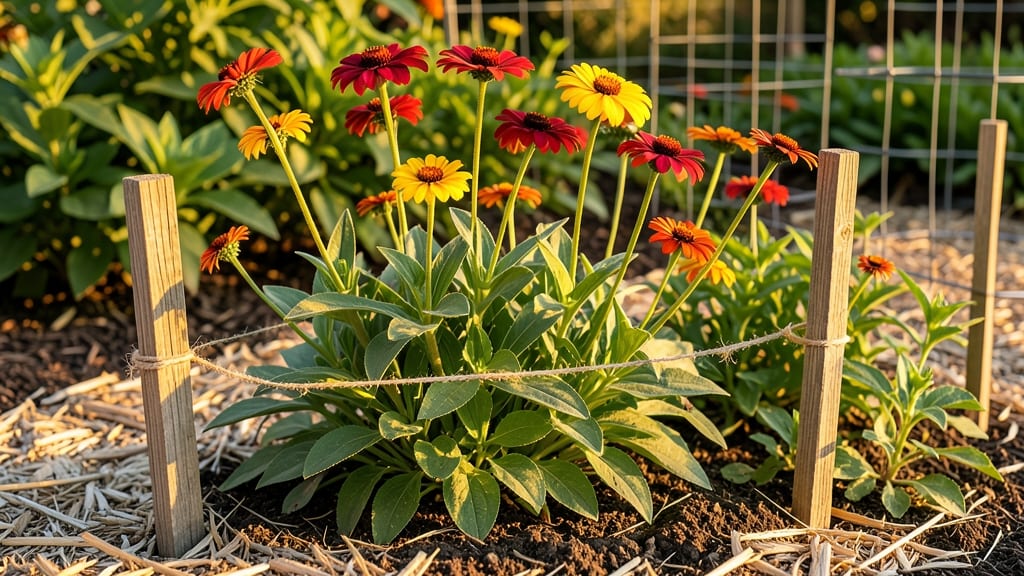
How to keep zinnias from falling over ruined my first summer garden—until I finally cracked the code after three seasons of trial and error. 🌻 The floppy stems weren't just unsightly—they wasted all that potential. After years of experimenting, I discovered the key lies in a mix of preventive planting (right spacing, sturdy varieties) and support systems (staking, pruning) that work before flopping starts. No more bending over to admire blooms at eye level—now they're always at their best.
The real culprits are weak stems from overcrowding, improper spacing, or varieties bred for show over structure. My solution? A mix of preventive planting (right spacing, sturdy varieties) and support systems (staking, pruning) that work before flopping starts.
Now you'll end up with zinnias that stay upright through rain, wind, and even monsoon seasons, their petals catching sunlight instead of dragging in the dirt. The secret isn't complicated—just strategic placement, timely pruning, and the right support at the right time.
My Benary's Giant zinnias now reach 36 inches without a single stake.
Works for all zinnias—dwarf, standard, or giant varieties—and adapts to containers or garden beds. Here's how to implement it before your plants even sprout.
📚 In This Guide
- What you need
- Instructions
- Tips and common mistakes
- Wrapping up and next steps
What you need
- ● Sturdy stakes or bamboo sticks: 6–12 inches tall (1–2 per plant, depending on height). Look for thick, flexible options like 3/8-inch diameter wooden or metal stakes.
- ● Garden twine or soft plant ties: 1–2 feet per stake (avoid wire—it can damage stems!). Jute or fabric ties work best for gentle support.
- ● Pruning shears or sharp scissors: For trimming leggy stems or deadheading. Sterilize with rubbing alcohol between cuts!
- ○ Balanced fertilizer (optional but helpful): 10-10-10 or similar, diluted to half-strength to encourage stronger stems.
- ● Tomato cages or spiral plant supports: Pre-made cages (4–5 feet tall) for clusters of zinnias—reuse from last season’s tomatoes!
- ● Heavy-duty garden twine or Velcro plant ties: For securing stakes to taller varieties like Benary’s Giant zinnias.
- ● Copper wire or floral pins: For lightweight pinning (great for delicate stems).
- ● Mulch (straw or shredded leaves): 2–3 inches around the base to stabilize soil and retain moisture.
Step-by-Step instructions for growing sturdy zinnia stems
Here's the method I've used for years to keep zinnias standing tall and proud all season.
🌱 Step 1: Select the Right Zinnia Varieties for Your Conditions
Start with varieties bred for strength. 'Benary's Giant' and 'Profusion' series have naturally thicker stems and better resistance to flopping. Avoid tall, single-bloom types like 'State Fair' unless you're prepared for extra support—they're more prone to top-heavy collapse.
I always check the plant tag for height and bloom type. If it's labeled "compact" or "dwarf," it's your best bet for naturally sturdy growth. For taller varieties, plan to provide extra support from the beginning rather than waiting for problems to appear.
☀️ Step 2: Plant in Full Sun with Proper Spacing
Zinnias need 6-8 hours of direct sun daily for strong stem development. Partial shade leads to weak, leggy growth that can't support heavy blooms. I plant mine in the southernmost part of my garden where they get morning sun and afternoon light without afternoon shade.
Spacing is critical—plant seeds or transplants 12-18 inches apart in rows 18-24 inches apart. Crowding forces plants to compete for nutrients, resulting in thinner stems that can't support their own weight. I mark planting spots with sticks to avoid overcrowding as they grow.
💧 Step 3: Water Consistently at Soil Level
Water deeply once weekly rather than daily light sprinkles. Deep watering encourages roots to grow deeper and stronger, while shallow watering creates weak, surface roots that can't anchor the plant properly. I water in the morning so foliage has all day to dry, preventing fungal diseases that weaken stems.
Use a soaker hose or water at the base of plants rather than overhead. Wet leaves and flowers attract pests and diseases that compromise stem strength. You'll know your watering is right when the top 2 inches of soil feel dry between waterings.
✂️ Step 4: Deadhead and Prune for Stronger Growth
Remove spent blooms immediately by pinching them off at the base rather than cutting above a leaf node. This encourages continuous flowering and prevents the plant from putting energy into seed production, which weakens stems. I make this a daily habit during peak bloom.
For taller varieties, prune back leggy stems by one-third when they reach half their mature height. This triggers bushier growth with multiple strong stems rather than one weak central stem. Always use clean, sharp pruners to avoid damaging the plant.
🪴 Step 5: Provide Support for Tall Varieties
For varieties over 24 inches tall, install support structures at planting time. I use a combination of tomato cages (pushed down firmly) and individual bamboo stakes for taller stems. Never wait until plants are already leaning—support should be in place before the plant needs it.
Tie stems to supports with soft plant ties or old pantyhose rather than wire or twine. Tight ties can damage stems as they grow. Check ties weekly and loosen if you notice any indentation in the stem. This prevents the plant from growing against the support rather than through it.
Tips & tricks for perfect zinnia stem support
Let me share the game-changing tricks I've learned after years of battling floppy zinnias.
Variety Matters: The right zinnia variety makes all the difference. While 'Profusion' and 'Benary's Giant' varieties have naturally thicker stems, I've found that even within these types, the earliest blooming stems are strongest. Look for plants that show color within the first 3-4 weeks of planting—these tend to develop more robust structural support before putting energy into blooms. This is why I always choose the first available flats of these varieties from my local nursery.
Root Development Secret: The deep watering technique in Step 3 is non-negotiable, but here's what nobody tells you—your soil's drainage matters just as much. I've seen zinnias with perfect watering routines still flop because their roots couldn't anchor properly. Amend heavy clay soil with 3 inches of compost before planting to improve drainage and encourage deeper root growth. For container growing, use a well-draining potting mix with perlite or vermiculite.
Pruning Precision: When pruning leggy stems in Step 4, I've discovered that timing is everything. The best time to prune is right after morning watering when the plant is fully hydrated. This allows the plant to recover more quickly and reduces stress. Also, always prune just above a leaf node where new growth will emerge—never above a bare stem. I mark these nodes with a small piece of colored tape if I'm unsure where to cut.
Support System: For varieties over 24 inches, I've moved beyond basic tomato cages. I now use a combination of heavy-duty garden stakes (5/8-inch diameter) and soft plant ties for the most stable support. The key is to position the stake 1-2 inches away from the stem when tying—this gives the plant room to grow through the support rather than against it. I check these ties every 3-4 days during peak growth to ensure they're not constricting the stem.
Pro Tips for Keep Zinnias From Falling Over
- Let me share the game-changing tricks I've learned after years of battling floppy zinnias.
- Variety Matters: The right zinnia variety makes all the difference.
- Root Development Secret: The deep watering technique in Step 3 is non-negotiable, but here's what nobody tells you—your soil's drainage matters just as much.
Frequently asked questions
Got questions about keeping your zinnias standing tall? You’re not alone—floppy stems can be frustrating! Here are answers to the most common concerns, so you can enjoy sturdy blooms all season.
Why do my zinnias keep falling over even after staking?
Zinnias may still flop if they’re overcrowded, lack support, or have weak stems from poor watering. Check for powdery mildew (a fungal disease) weakening stems—treat with neem oil if needed. Also, ensure stakes are tall enough (at least 2–3 feet) and tied securely with soft plant ties.
When is the best time to stake zinnias for maximum support?
Stake zinnias as soon as they reach 6–8 inches tall—this is before they get top-heavy with blooms. If you wait until flowers appear, the stems may already be stressed. For container-grown zinnias, use tomato cages or small stakes at planting time for early support.
Can I use natural supports instead of stakes for zinnias?
Try these flop-proof alternatives:
- Trellises or netting: Perfect for zinnias in borders or near fences. Train stems gently to avoid breaking.
- Florist’s foam or clay pebbles: For containers, create a lightweight “cage” around stems to distribute weight.
- Bamboo or reed stakes: Tie 2–3 stakes per plant in a tripod shape for extra stability.
My zinnias are leaning badly—can I fix them without breaking the stems?
Yes! Gently weave stems through a trellis or loop them around a stake to guide growth upright. Avoid tight ties—use soft cloth or old tights to prevent stem damage. If a stem is already bent, prune it back to encourage new, straighter growth from the base.
Does rain or wind make zinnias more likely to flop?
Yes! Heavy rain saturates soil, making roots unstable, while wind creates flagging (permanent leaning). To prevent this:
- Plant zinnias in sheltered spots or use windbreaks.
- Water at the base (not overhead) to avoid stem weight.
- Add a layer of mulch to keep roots anchored.
Wrapping up and next steps
Keeping your zinnias upright is all about balance, support, and care—whether through proper planting, strategic staking, or regular maintenance. With these simple tricks, your blooms will stand tall and proud, stealing the show in your garden.
Now that you’re armed with the know-how, go ahead and give your zinnias the sturdy foundation they deserve—and enjoy those vibrant, flop-free flowers all season long!
🌱 Next step: Grab your gardening gloves, pick a sunny spot, and put these tips into action. Happy planting!