
Picking
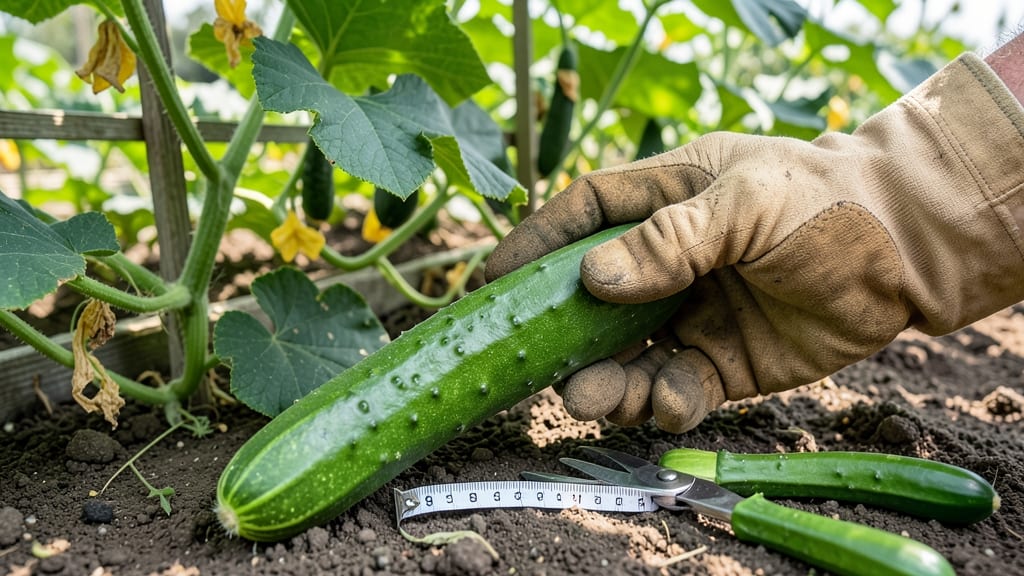
How to know if a cucumber is good—that first crunch of a perfect one is worth the effort. 🌿 Picking the right one means checking three simple things: firmness, color, and texture—none of which take more than 10 seconds. I’ve learned the hard way that skipping these checks leads to mealy, bitter, or even seedy cucumbers that ruin salads and sandwiches.
Start by pressing gently along the cucumber’s sides—it should feel solid, not squishy. A good one has smooth, unblemished skin with a vibrant green or dark green hue, depending on the variety.
Yellowing spots or soft patches mean it’s past its prime, and those tiny bumps? Those are seeds, and too many means it’s overripe.
For the freshest harvest, pick cucumbers in the morning when they’re cool and crisp. Store them in the fridge wrapped in a paper towel to absorb moisture, and they’ll stay fresh for up to a week. The payoff? Crisp, juicy slices every time, no guesswork involved.
Pro tip: If you’re growing your own, harvest when they’re still small—before 6 inches long—for the sweetest, most tender cucumbers. That’s when they’re at their peak, and you’ll taste the difference immediately.
📚 In This Guide
- What you need
- Instructions
- Tips and common mistakes
- Wrapping up and next steps
What you need
- ● Fresh cucumbers – 1–3 (the more, the merrier for testing!)
- ● Clean hands – For tactile inspection (soap and water work great 🧼)
- ● Sharp knife or peeler – A chef’s knife or vegetable peeler (for the skin check)
- ● Cutting board – A sturdy one to avoid slips (safety first!)
- ● Paper towel or cloth – For wiping surfaces and hands
- ● Magnifying glass – For spotting tiny imperfections or mold 🔍
- ● Food scale – If you’re weighing cucumbers for uniformity
- ● Small bowl of water – For the classic "float test" (if you’re curious!)
- ● Notebook & pen – To jot down observations (for cucumber connoisseurs 📝)
How to know if a cucumber is good: 3 simple tactile tests for crispness
No fancy tools needed—just your hands and these quick checks to find perfect cucumbers every time.
🌿 Step 1: Check the Skin for Smoothness and Shine
Run your fingertips over the cucumber’s surface. A perfectly ripe cucumber should feel smooth and slightly bumpy like a fine sandpaper, with a gentle sheen—not sticky or slimy. If it feels rough or waxy, it’s underripe or overhandled. I always skip cucumbers with dull, matte skin because they’ve lost moisture and crispness.
Look for a uniform color too—dark green with no yellowing or white patches. A few tiny bumps are normal (those are the seeds), but if the skin feels soft or wrinkled, it’s past its prime. Press lightly: the skin should spring back immediately, not leave a dent.
💧 Step 2: Test the Weight and Firmness
Pick up the cucumber and feel its weight. A good one should feel heavy for its size—this means it’s juicy and full of water. Light cucumbers are usually dry inside. Hold it in one hand and gently squeeze the middle: it should yield slightly but not squish like overripe fruit.
If it feels spongy or mushy, it’s overripe. A firm cucumber with no give at all is underripe. I like to roll it between my palms—it should feel solid and dense, not hollow or lightweight. This test works best at room temperature, so avoid checking straight from the fridge.
☀️ Step 3: Examine the Stem End for Freshness
Inspect the stem end—the smaller, rounded end opposite the blossom. It should look dry and slightly shriveled, not moist or slimy. If the stem end feels soft or oozes liquid, the cucumber is past its peak and may taste bitter. A fresh stem end means the cucumber was recently harvested and hasn’t sat too long.
Twist the stem end gently—it should break cleanly without resistance. If it pulls away with effort, the cucumber is still attached to its vine (a good sign) or overly mature. Avoid cucumbers with yellowing or brown spots near the stem, as this indicates decay or age. This is my fail-safe test when in doubt.
✂️ Step 4: Listen for the Crunch (Optional but Revealing)
This one’s fun—give the cucumber a light tap with your knuckles. A ripe cucumber makes a hollow, crisp sound, like knocking on a wooden door. If it sounds dull or thud-like, it’s lost moisture and crispness. I use this test when shopping at markets where I can’t feel the weight easily.
For extra confidence, cut a small slice from the blossom end (the larger end) and check the seeds. They should be small, white, and firm. If they’re large, brown, or soft, the cucumber is overripe. This is the ultimate test, but it’s only worth doing if you’re buying in bulk or the other tests are inconclusive.
Tips & tricks for perfect cucumber selection
These simple tricks will help you confidently pick the crispest cucumbers every time—no guesswork required.
Temperature Matters: Always check cucumbers at room temperature, not straight from the fridge. Cold cucumbers feel firmer and may trick you into thinking they're ripe when they're actually underripe. Let them sit on the counter for 10-15 minutes before testing, especially if you're shopping in a chilled store. This simple step makes all the difference in feeling that perfect yield.
The Stem End Secret: In Step 3, when examining the stem end, pay special attention to the texture around the blossom end too. If you see tiny white specks or a slightly rough texture near the blossom, that's actually a good sign—it means the cucumber was recently harvested. The stem end test is foolproof, but this extra check gives you double confirmation of freshness.
Visual Cues for Skin: For Step 1, look for a uniform dark green color without any yellowing or white patches. But here's what nobody tells you: the bumps on cucumbers aren't just seeds—they're also moisture indicators. More evenly distributed bumps mean better hydration. If you see large, irregular bumps, that cucumber might be overripe or unevenly watered during growth.
Pro Tips for Know If A Cucumber Is Good
- These simple tricks will help you confidently pick the crispest cucumbers every time—no guesswork required.
- Temperature Matters: Always check cucumbers at room temperature, not straight from the fridge.
- The Stem End Secret: In Step 3, when examining the stem end, pay special attention to the texture around the blossom end too.
Frequently asked questions
Got questions about picking the perfect cucumber? You’re not alone! Here are some of the most common queries—and their easy answers—to help you shop like a pro.
How can I tell if a cucumber is ripe vs. overripe?
A ripe cucumber should be firm with a bright, even color—no soft spots or wrinkles. If it feels mushy or has a dull, yellowing skin, it’s past its prime. For slicing, pick medium-sized ones; for pickling, choose smaller, firmer cucumbers. Pro tip: Smell it! Overripe cucumbers often have a sour or fermented aroma.
How long do cucumbers last in the fridge?
Unwashed cucumbers stay fresh for 1–2 weeks in the fridge, stored in a plastic bag with a paper towel to absorb moisture. If you notice mold, slimy texture, or a sour smell, toss it. For longer storage, try freezing peeled, seeded cucumbers for smoothies or soups—but they’ll get mushy when thawed!
Can I use a cucumber that’s slightly soft?
It depends! If only the stem end is soft (common in older cucumbers), trim it off and use the rest for salads or snacks. But if the whole cucumber is mushy, it’s best avoided—soft spots can signal spoilage or pest damage. Quick fix: Soak in ice water for 10 minutes to temporarily firm up slightly soft cucumbers for slicing.
What if my cucumber has yellow spots?
Yellow spots are usually harmless and just indicate sun exposure. However, if the spots are slimy, moldy, or accompanied by a foul odor, the cucumber has gone bad. For mild discoloration, wash it well and use it in recipes where appearance isn’t critical (like soups or juices).
Are seedless cucumbers always better?
Not necessarily! Seedless cucumbers are often bred for convenience, but they can be less flavorful and more prone to softness. For the best taste and texture, opt for heirloom or hybrid varieties with seeds—they’re usually firmer and packed with more nutrients. Bonus: Seeds add a fun crunch to salads!
Wrapping up and next steps
Now that you’re armed with the three simple tactile tests—tapping, bending, and squeezing—you can confidently pick the perfect cucumber every time! 🌱 A firm, crisp, and heavy cucumber isn’t just a win for your salad or snack—it’s a promise of freshness and flavor.
Next time you’re at the market, put these tricks to work and elevate your produce game.
Ready to go further? Try experimenting with different varieties (like Persian or Kirby) or even growing your own for ultimate freshness! 🌿