
How To
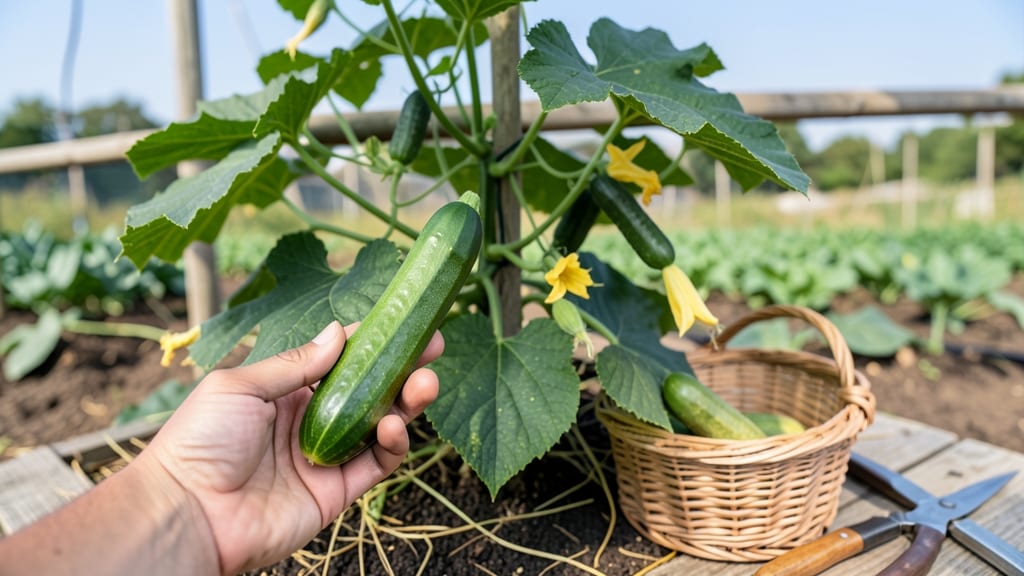
3 Tactile tests to determine perfect cucumber ripeness
Cucumbers are ready to pick when they’re crisp, flavorful, and seedless—but spotting that perfect moment requires more than just glancing at their size. I’ve learned the hard way that overripe cucumbers turn bitter, while underripe ones lack sweetness.
The key lies in three simple tactile tests that reveal ripeness beyond color alone.
First, focus on the stem end. A yellowing or brown stem signals maturity, while a bright green stem means the cucumber is still growing. This is your first clue—ignore it, and you might end up with a seedy, tough cucumber instead of the tender variety you want.
Next, perform the thumbnail pressure test. Gently press your thumbnail into the cucumber’s skin. If it sinks slightly but resists, it’s ready to harvest. A hard, unyielding skin means it’s too early, while a soft, dented spot indicates overripeness.
This test works best on seedless varieties, which are more delicate.
Finally, check the thorn development along the cucumber’s body. Soft, flexible thorns suggest ripeness, while hard, sharp thorns mean the cucumber is still maturing. Run your fingers along the cucumber’s surface—if the thorns bend easily, it’s time to pick.
| Test | Ready Cucumber | Underripe Cucumber | Overripe Cucumber |
|---|---|---|---|
| Stem End | Yellow/brown | Bright green | Dry, shriveled |
| Thumbnail Test | Slight give | Hard, no dent | Soft, dents easily |
| Thorn Flexibility | Bendable | Hard, sharp | Brittle, snaps |
| Size (Slicing) | 6–8 inches | Under 4 inches | 10+ inches |
Don’t overlook color consistency—a uniform hue (deep green for slicing types, lighter for pickling) confirms ripeness. For seedless varieties, aim for a vibrant, even color without yellowing or dark spots.
If you’re growing heirloom types, check the variety’s specific color cues, as some turn yellow or white when ripe.
Harvesting at the right time also depends on your end goal. For fresh eating, pick when cucumbers are 6–8 inches long and firm. If you’re pickling, opt for smaller, 2–4 inch cucumbers with thin, tender skin.
Always use a sharp knife or pruning shears to avoid damaging the vine.
Pro tip: Pick cucumbers every 2–3 days to encourage more production. Overlooking ripe cucumbers signals the plant to stop flowering, reducing your yield. And if you’re growing trellised cucumbers, check the underside of leaves—ripe cucumbers often hide there!
One final warning: Heat stress can trick cucumbers into ripening too fast, making them bitter or seedy. If your garden is above 90°F (32°C), harvest earlier and more frequently to avoid these issues. Shade cloth can help, but regular picking is your best defense.
Mastering these three tactile tests will transform your cucumber harvest from hit-or-miss to consistently perfect. Next time you’re in the garden, grab a cucumber and give these tests a try—your taste buds will thank you!
3 Tactile tests to determine perfect cucumber ripeness
Cucumbers ripen at lightning speed—sometimes in just 24 hours—so missing the window means tough, seedy, or bitter fruit. The key lies in your fingertips: three simple tests reveal when to harvest for crisp, seedless perfection.
Start by examining the stem end, then move to texture and size. These cues work for all varieties, including seedless types.
First, check the stem end color. A bright yellow or brownish hue signals readiness, while a green stem end means the cucumber is still growing. This test is foolproof for slicing varieties like 'Straight Eight' or 'Marketmore'.
For pickling cucumbers, harvest when stems turn light green—they ripen faster and need prompt pickling to avoid bitterness.
| Test | Perfect Cucumber | Not Ready |
|---|---|---|
| Stem End Color | Yellow/brown | Bright green |
| Skin Firmness | Firm but yields slightly | Hard or spongy |
| Size (Slicing) | 6–8 inches | Under 4 inches |
Next, perform the thumbnail test: press your thumbnail into the cucumber’s skin. A perfect cucumber will dent slightly but spring back—like pressing a ripe avocado. If it feels rock-hard, it’s underripe; if it leaves a deep dent, it’s overripe.
This method works best on seedless varieties, where texture is critical for slicing.
Finally, check the size and shape. Most slicing cucumbers should be 6–8 inches long with a uniform diameter. For long English varieties like 'Suyo Long', aim for 12–18 inches. If cucumbers grow lopsided or oversized, they’ve overstayed their welcome and may develop bitter compounds from cucurbitacin buildup.
Pro tip: Harvest in the morning when cucumbers are cool and crisp. Use a sharp knife or pruners to avoid damaging the vine, and always leave a 1-inch stem attached. This prevents disease entry points and encourages more fruit production.
Remember, consistency is key. Check your vines every 2–3 days during peak season—cucumbers won’t wait for you! The moment they pass these three tests, they’re ready for your salad bowl or pickling jar.