
How To
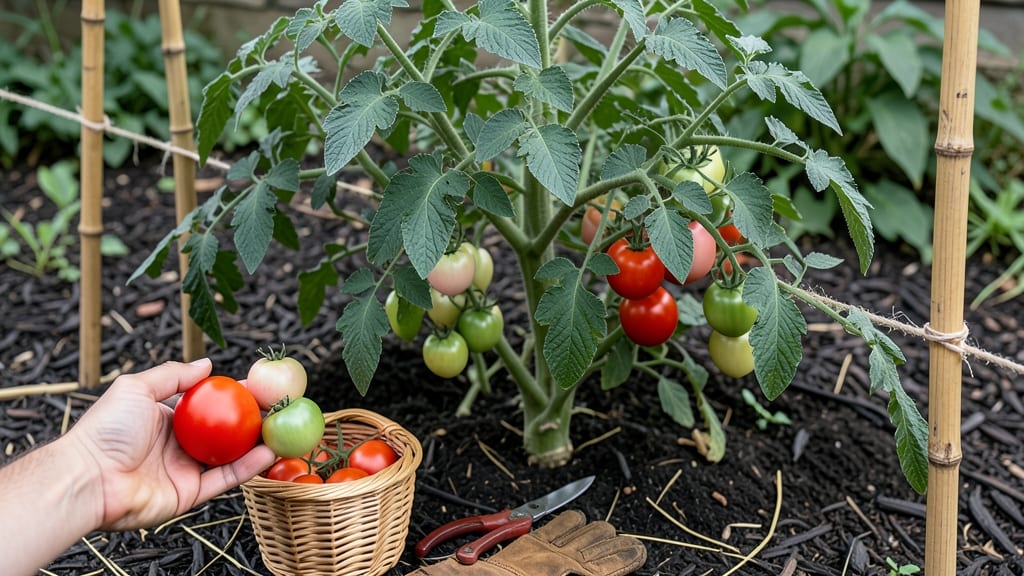
Knowing how to know if a tomato is ready to pick can make or break your harvest—one wrong move, and you're left with mealy, flavorless fruit instead of the sweet, juicy 🍅 you crave.
The difference between a perfect tomato and a disappointing one often comes down to timing, and most gardeners miss the subtle clues that signal it's time to harvest.
Picture this: you're in your garden, surrounded by lush green plants, and there it is—your first tomato. But how do you know if it's truly ready? The answer lies in a mix of visual cues, texture, and even scent that most people overlook.
Whether you're growing heirloom varieties or hybrid types, these 5 unmistakable signs will help you pick at the peak of ripeness, ensuring maximum flavor and shelf life.
Ripening isn't just about color—though that's a big part of it. Environmental factors like sunlight, temperature, and even the variety you're growing play a role in determining when your tomato is ready.
For example, a Sungold cherry tomato might ripen differently than a beefsteak, and understanding these differences is key to avoiding common mistakes like harvesting too early or too late.
In this guide, I'll walk you through everything you need to know, from the science behind ripening to practical tips for extending the life of your harvest. Let's dive in and make sure you never miss another perfectly ripe tomato again.


5 Visual and physical signs your tomato is perfectly ripe
When I first started growing tomatoes, I made the rookie mistake of picking them based on size alone—only to end up with bland, underripe fruit. Ripe tomatoes reveal themselves through a combination of color shifts, texture changes, and even scent.
Here’s how to spot them like a pro, whether you’re growing heirloom varieties or cherry tomatoes.
First, check the color consistency. A ripe tomato’s hue should be deep and uniform—no streaks of green or pale patches.
For example, a Brandywine heirloom will turn a rich mahogany red, while a Sungold cherry tomato will glow a vibrant orange. Non-red varieties like Black Krim or Yellow Pear will reach their signature colors when ready.
Texture is your next clue. Gently press the tomato with your thumbnail—it should yield slightly but not mushy. If it feels rock-hard, it’s not ready; if it’s too soft, it’s overripe. Cherry tomatoes and beefsteak varieties follow the same rule, though beefsteaks may stay firmer due to their size.
Now, examine the stem end. A ripe tomato’s stem will separate easily from the vine, often leaving a yellow or brown scar. If the stem is still green and attached, the tomato needs more time.
This trick works for indeterminate varieties (like Sungold) and determinate types (like Roma) alike.
Don’t overlook the scent test. A ripe tomato emits a sweet, tangy aroma near the stem. If it smells mild or grassy, it’s not ready. This is especially useful for green tomatoes like Green Zebra, which stay green when ripe but develop a distinct herbal fragrance.
Finally, consider the size and shape. While size varies by variety, a tomato should be full and proportional to its type. A cherry tomato should be plump, not shriveled, while a beefsteak should reach its expected 12-14 inch diameter.
Overripe tomatoes often split or wrinkle, so act before that happens.
🌱 How to Know Your Tomato Is Ripe
- 🍅 1. Deep, consistent color (no green patches)
- 🤏 2. Slight give when pressed (not rock-hard or mushy)
- 🟡 3. Stem separates easily (yellow/brown scar)
- 👃 4. Sweet, tangy scent near the stem
- ✅ 5. Full size for variety (no shrinking or splitting)
Pro Tip: Morning is the best time to check tomatoes—they’re cooler and firmer, making it easier to judge ripeness.
One common mistake I see is picking tomatoes too early to prevent cracking, especially in humid climates. But if you wait until they’re fully ripe, they’ll taste sweeter and last longer.
For heirloom varieties, which are more prone to splitting, harvest when they’re 90% ripe and let them finish on the counter.
If you’re growing green tomatoes like Green Zebra, they’ll never turn red—but they’ll ripen on the vine to a darker green with a waxy sheen. Always trust your senses over the color chart! For cherry tomatoes, size matters less than color and scent, as they ripen faster.
Remember, environmental factors like temperature and sunlight affect ripening. Tomatoes grown in hot climates may ripen faster, while cooler weather slows the process. If your tomatoes aren’t ripening at all, they might need more sunlight or warmth.
Once you’ve mastered these signs, you’ll never waste another tomato again. The key is to check regularly—especially for indeterminate varieties that produce fruit all season. Happy harvesting! 🌿
5 Visual and physical signs your tomato is perfectly ripe
Tomatoes don’t ripen uniformly, so color alone isn’t enough to judge readiness. Instead, combine 4 key indicators—color, texture, scent, and stem separation—to guarantee peak flavor.
For example, a heirloom tomato like Brandywine might stay pink at the edges while its center matures, while cherry tomatoes like Sungold turn a vibrant orange.
Start with the stem end. A ripe tomato’s stem will easily snap when gently twisted—this signals the fruit has fully detached from the vine. If the stem resists or tears, the tomato needs more time. This trick works for all varieties, from beefsteaks to Roma.
Next, check the skin’s response to pressure. Press a tomato gently with your thumbnail: a ripe one will yield slightly but not feel mushy. If it’s rock-hard, it’s underripe; if it’s too soft, it’s overripe. This test is especially critical for green tomatoes like those in cooler climates.
Scent plays a surprising role too. A ripe tomato emits a sweet, fruity aroma near the stem—sniff it! Underripe tomatoes smell neutral or grassy, while overripe ones may have a fermented odor. This is my go-to trick for yellow or purple varieties where color isn’t as obvious.
-
1. Stem Snaps Easily
Twist gently—if the stem detaches cleanly, it’s ready. 🟡 -
2. Skin Yields to Pressure
Press with your thumbnail—slight give means ripe; no give means unripe. 🤏 -
3. Deep, Consistent Color
No green shoulders or pale patches—color should match the variety. 🌈 -
4. Sweet, Fruity Scent
Sniff near the stem—ripe tomatoes smell sweet; unripe ones smell dull. 👃 -
5. Full Size for Variety
Compare to packaging or plant tags—cherries stay small; beefsteaks grow large. ✅
Don’t overlook variety-specific cues. For instance, green tomatoes like Cherokee Purple ripen to a deep purple-black, while yellow varieties like Lemon Boy turn a golden hue. Even heirloom tomatoes may develop striped or mottled patterns as they ripen—these are normal and delicious!
Pro tip: Harvest in the morning when tomatoes are coolest. This preserves flavor and firmness, especially for sensitive varieties like Sungold cherries, which can split if picked too late in the day. Store ripe tomatoes at room temperature (not the fridge!) to maintain sweetness.