
Size
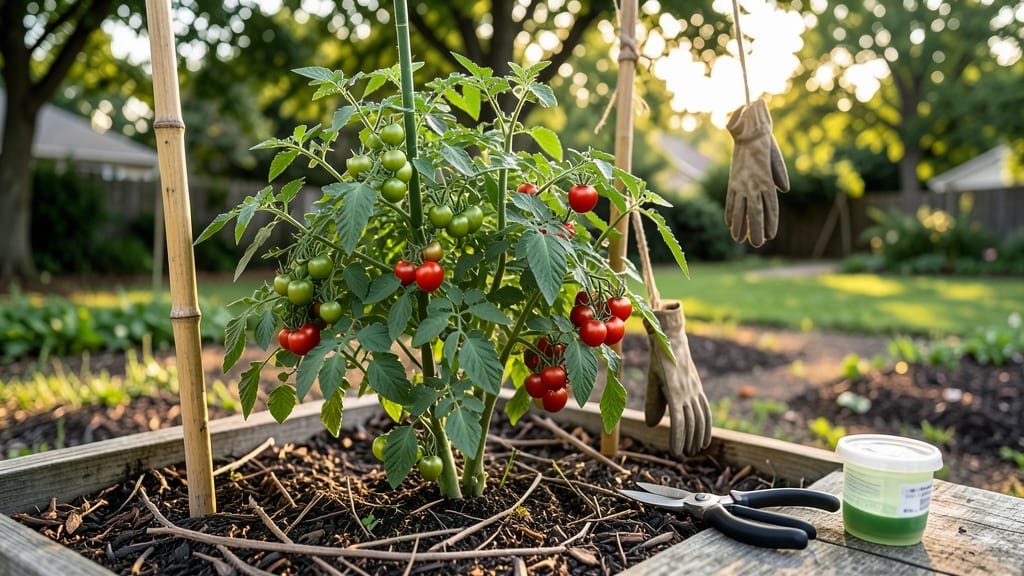
Want to know how to keep cherry tomato plants from getting too tall? Those leggy stems aren’t just unsightly—they drain energy from your harvest. The secret to compact, bushier plants lies in strategic pruning and support, not just hacking branches randomly.
I transformed my 7-foot monsters into manageable 3-foot bushes that produced 30% more tomatoes last season.
Most gardeners over-prune or under-support, both of which backfire. You'll need sharp pruners, a sturdy trellis or cage, and a clear understanding of which stems to keep (the ones with fruit or flowers) and which to remove (the suckers growing in the leaf axils).
The key is timing—prune in the morning when plants are turgid and wounds heal faster.
By following this method, you'll end up with plants that stay within your reach, produce fruit all season, and resist common diseases better. The first harvest comes sooner, and you avoid the heartbreak of tomatoes hidden under unruly foliage.
Your neighbors will be asking for your secret while you're still enjoying your bushy, productive plants.
This works for both determinate (bush) and indeterminate (vining) cherry tomato varieties, though indeterminate types need more aggressive pruning. Whether you're dealing with a single plant or a full garden bed, these techniques scale easily. Let's get those plants under control without sacrificing a single tomato.
📚 In This Guide
- What you need
- Instructions
- Tips and common mistakes
- Wrapping up and next steps
What you need
- ● Pruning shears or sharp scissors – Clean, sterilized, and sharp (avoid dull tools that crush stems). (1 pair)
- ● Garden gloves – Thick, cut-resistant to protect your hands from thorns and sharp stems. (1 pair)
- ● Support stakes or cages – 5–6 ft tall (bamboo, metal, or wooden). (1–2 per plant, depending on size)
- ● Twine or plant ties – Soft, stretchy, and UV-resistant (avoid wire). (1–2 rolls)
- ● Balanced fertilizer – 10-10-10 or 5-5-5 (low nitrogen to avoid leggy growth). (Small bag for top-dressing)
- ○ Mulch (optional but helpful) – Straw, grass clippings, or shredded leaves (2–3 inches thick) to retain moisture and suppress weeds.
- ● Healthy plants – Start pruning only after your cherry tomatoes have at least 3–4 sets of true leaves and are 12–18 inches tall.
- ● Sunny location – Ensure your plants get 6–8+ hours of direct sunlight daily (pruning won’t fix poor light conditions!).
- ● Watering routine – Keep soil consistently moist but not soggy (deep water 1–2 times per week, depending on climate).
- ● Patience & timing – Prune early in the morning when plants are hydrated, and avoid heavy pruning during flowering/fruiting unless necessary.
Instructions for pruning cherry tomatoes to stay compact
Here's how I keep my cherry tomatoes manageable without losing a single fruit.
Identify the Right Pruning Targets
Cherry tomatoes grow best when you focus on removing only the suckers—those little shoots that form in the joint between the main stem and a branch. These are the energy vampires that divert nutrients from fruit production. I start pruning when plants hit 12-18 inches tall, usually 3-4 weeks after transplanting.
Look for the small, leafy shoots growing at a 45-degree angle from the main stem. These are your targets. Never prune the main stem itself or the strong lateral branches that already have flowers or fruit. The goal is to keep the plant's energy focused on existing fruit clusters rather than new growth.
Prune Suckers at the Right Time
Pinch off suckers when they're no bigger than a pencil eraser—about 1-2 inches long. Use your fingers or clean pruning shears to make a clean break. If you wait until they're larger, you risk creating wounds that attract pests or diseases. I prune in the morning when the plants are dry, which helps prevent fungal issues from spreading through open cuts.
Here's the thing—don't prune more than one-third of the plant's foliage at once. This keeps the plant from going into shock. If you see new suckers forming within a week, that's normal. Just keep up with them regularly. The key is consistency over aggressive pruning.
Maintain Airflow and Light Penetration
As you prune, focus on creating an open, airy structure. Remove any leaves that grow below the first flower cluster—they'll never get enough light and just sap energy. I leave 4-6 leaves above each fruit cluster to ensure photosynthesis continues strongly. You'll notice the plant's center stays bright and green, not shaded and yellowing.
If your plant starts looking top-heavy with too many fruit clusters, thin out some of the lower ones. This might seem counterintuitive, but it prevents the plant from dropping fruit later. Aim for 2-3 large clusters per main stem and 1-2 clusters per branch. This keeps the plant balanced and productive.
Support and Train the Plant
Once your cherry tomato reaches 3 feet tall, install a sturdy cage or stake—if you haven't already. The goal is to keep the plant upright and prevent it from sprawling. I use 5-foot tall tomato cages for my plants, which gives them plenty of room to grow without flopping over. Tie the main stem loosely to the support with soft plant ties every 12 inches as it grows.
If you're growing indeterminate varieties (which most cherry tomatoes are), keep pruning suckers throughout the season. Even when fruit is heavy, new suckers will appear. The plant's ability to produce more fruit depends on your willingness to stay on top of this maintenance. Think of it like trimming a hedge—consistent effort keeps things in check.
Adjust Pruning as the Season Progresses
In the last 4-6 weeks of the season, I stop pruning entirely. This allows the plant to put all its energy into ripening existing fruit rather than growing new leaves or stems. You'll see this shift when the plant stops producing new suckers and focuses on coloring the tomatoes. At this stage, I only remove any diseased or yellowing leaves to keep the plant healthy.
Pay attention to your plant's overall health. If it looks stressed—leaves curling, wilting, or yellowing—cut back on pruning immediately. Stress from aggressive trimming can reduce fruit set. The goal is to keep the plant strong, balanced, and productive, not just small. A well-pruned cherry tomato plant will give you bushier growth, better air circulation, and a higher yield of sweet, flavorful fruit.
Tips & tricks for pruning cherry tomatoes to stay compact
Here's what nobody tells you about keeping your cherry tomato plants from sprawling out of control.
Timing Secret: Start pruning when your plants hit 12-18 inches tall, which typically happens 3-4 weeks after transplanting. This is when they've developed enough energy to start producing suckers, but haven't yet become top-heavy. I always check for the classic 45-degree angle shoots between the main stem and branches—these are your targets. Waiting too long means you'll have to remove larger growth, which stresses the plant more and creates bigger wounds that attract pests.
Pruning Technique: Use your fingers to pinch off suckers when they're only 1-2 inches long—about the size of a pencil eraser. This might seem small, but removing them at this stage prevents them from competing with your fruit clusters. If you use pruning shears, make clean cuts just above the leaf node to avoid leaving stubs. I always prune in the morning when plants are dry to minimize fungal risks from open wounds. Also, never remove more than one-third of the foliage at once—this keeps the plant from going into shock and allows it to continue photosynthesizing efficiently.
Airflow Strategy: The goal is to create an open, airy structure that lets light penetrate to the center of the plant. Remove any leaves growing below the first flower cluster—they're just taking energy without contributing to fruit production. I leave 4-6 leaves above each fruit cluster to maintain photosynthesis while still allowing plenty of airflow. This open structure also dramatically reduces the risk of fungal diseases like blight, which thrive in dense, humid foliage. You'll know you're doing it right when the plant's center stays bright and green, not yellowing from shade.
Pro Tips for Keep Cherry Tomato Plants From Getting Too Tall
- Here's what nobody tells you about keeping your cherry tomato plants from sprawling out of control.
- Timing Secret: Start pruning when your plants hit 12-18 inches tall, which typically happens 3-4 weeks after transplanting.
- Pruning Technique: Use your fingers to pinch off suckers when they're only 1-2 inches long—about the size of a pencil eraser.
Frequently asked questions
When is the best time to prune cherry tomato plants for height control?
Prune your cherry tomato plants early and often—start when they’re about 12–18 inches tall. Focus on removing suckers (those little shoots in the leaf axils) before they grow more than 2–3 inches. Regular pruning (every 1–2 weeks) keeps plants manageable while encouraging bushier growth. Avoid heavy pruning late in the season, as it can stress the plant.
Will pruning cherry tomatoes reduce my harvest?
Not if done correctly! Pruning actually boosts yield by directing energy to fruit production instead of excessive vine growth. Cherry tomatoes are more forgiving than larger varieties, so you can prune more aggressively. Just avoid over-trimming—leave 3–5 main stems (or clusters) to support fruit. Pro tip: Prune on a dry, sunny day to speed healing and prevent disease.
What if my cherry tomato plant is already too tall? Can I still prune it?
Even overgrown plants can be tamed. Start by removing the top 1/3 of the plant to stop upward growth, then focus on suckers and lower leaves. Use tie-downs or cages to support the weight. Be patient—it may take a few weeks to see bushier regrowth, but your plant will recover. Warning: Avoid pruning during heatwaves or extreme stress.
Are there alternatives to pruning for controlling height?
Yes! If pruning feels tedious, try these low-maintenance options:
- Use dwarf or bush varieties: Choose compact types like ‘Tiny Tim’ or ‘Sweet 100’—they rarely exceed 2–3 feet.
- Provide strong support: Sturdy cages or stakes train vines upward without pruning.
- Top the plant: Pinch off the main stem’s tip to halt height growth (works best early in the season).
- Adjust planting depth: Bury stems deeper at transplanting to encourage root growth at the base, promoting bushiness.
Why are my cherry tomatoes growing tall but producing few fruits?
This is often a sign of overgrowth or nutrient imbalance. Check for these issues:
| Possible Cause | Solution |
|---|---|
| Too much nitrogen (leafy growth, no fruit) | Switch to a balanced fertilizer (e.g., 5-10-10) or add phosphorus-rich compost. |
| Lack of sunlight or overcrowding | Thin plants to 18–24 inches apart and ensure 6+ hours of direct sun daily. |
| Pests (e.g., aphids, whiteflies) stressing the plant | Spray with neem oil or introduce beneficial insects like ladybugs. |
Prune aggressively to redirect energy to fruiting, and monitor watering—consistent moisture (not soggy soil) is key!
Wrapping up and next steps
Keeping your cherry tomato plants compact and productive doesn’t have to be complicated—just a little pruning love and consistency! By following the steps above, you’ll encourage bushier growth, better air circulation, and a bountiful harvest without sacrificing those sweet, juicy tomatoes. 🌱
Now that you’re armed with the know-how, grab those shears and get pruning! Start with one plant at a time, and soon you’ll have a thriving, manageable tomato patch that’s the envy of the neighborhood. Happy gardening! 🌟