
Picking
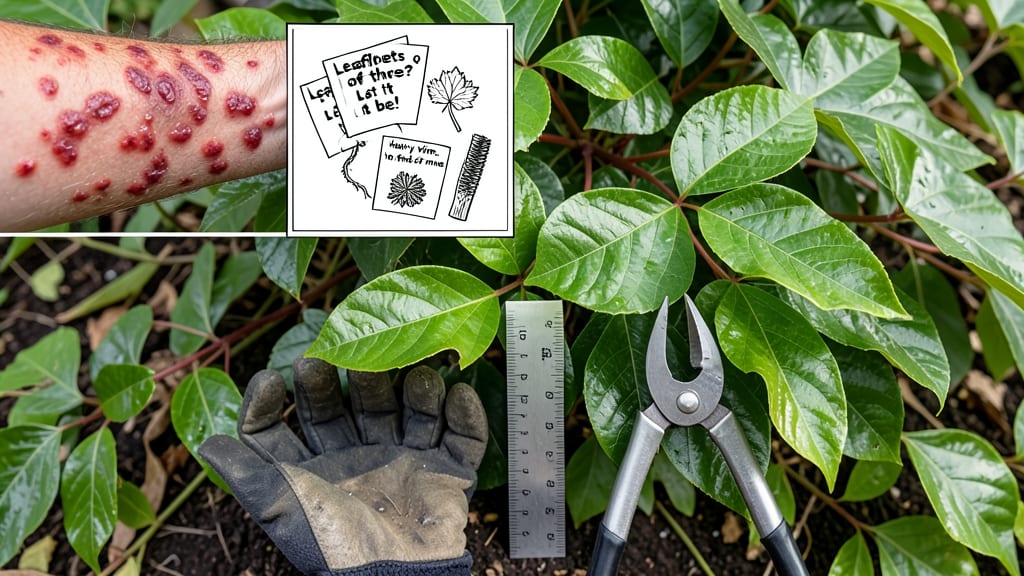
To know if you have a poison ivy rash, watch for red, itchy streaks or clustered blisters that follow the shape of where your skin touched the plant. These often appear as oozing, swollen bumps—scratching can spread the rash further.
Poison ivy's signature rash typically emerges within 12-48 hours of exposure, making early identification critical.
The blisters often form in straight lines where you brushed against the plant or in patches from sap contact. 🌿 Unlike other rashes, poison ivy's pattern usually mirrors how you touched it—think of streaks from gardening tools or patches from pet fur carrying urushiol oil.
The key is acting fast: washing with cold water and soap within minutes can drastically reduce severity.
If you notice the rash spreading beyond the initial contact area or see severe swelling, it's time to consult a healthcare provider. Over-the-counter treatments like calamine lotion or hydrocortisone can help, but remember—scratching only makes it worse by spreading the oil.
Always check your clothing, tools, and even pets after outdoor activities, as they can carry the irritant indoors.
💡 In This Article
- Identifying Poison Ivy’s Distinctive Leaf and Rash Patterns
- What to Do If You Suspect Poison Ivy Exposure
Identifying poison ivy’s distinctive leaf and rash patterns
The first clue to poison ivy exposure is recognizing the plant itself—its leaves grow in groups of three with a smooth, glossy texture and serrated edges.
This "leaves of three, let it be" rule is your best defense, as the plant's urushiol oil causes the allergic reaction in about 85% of people.
The oil is odorless and colorless, but it binds to skin proteins within 10-30 minutes of contact, triggering an immune response that peaks 1-2 weeks later. 🌿
When the rash appears, it often follows the exact path of exposure. Think of gardening tools creating streaks or pet fur carrying sap into your home. The blisters form because urushiol triggers an inflammatory response, causing fluid to accumulate between skin layers.
Unlike heat rashes or bug bites, poison ivy's pattern rarely appears in random spots—it mirrors your contact points. For example, a gardener might see streaks on their forearms where they brushed against vines, while a hiker could develop patches where their socks touched contaminated plants.
Here's what to look for visually: the rash starts as red or reddish-brown streaks that turn into raised bumps within 12-48 hours. In severe cases, these develop into fluid-filled blisters that can ooze if popped.
The skin around affected areas often feels warm to the touch due to increased blood flow. What makes this different from other rashes is how the blisters cluster together—poison ivy rarely produces isolated bumps like chickenpox or shingles.
The itching comes from histamine release as your immune system overreacts to urushiol.
One common misconception is that poison ivy always causes blisters. In reality, about 20-25% of cases present as dry, scaly patches with intense itching but no fluid buildup. This "dry" form is often mistaken for eczema or psoriasis. The key difference?
Poison ivy's dry patches still follow contact patterns and appear in areas that touched the plant. Also, unlike eczema, poison ivy doesn't typically affect the face or scalp unless you had direct contact with those areas.
Understanding the science helps explain why some people react worse than others. Your immune response depends on how much urushiol your skin absorbed and how sensitive your system is. For instance, people with atopic dermatitis (eczema) often experience more severe reactions because their skin barrier is already compromised.
The oil can remain potent on surfaces for up to 5 years, so even old gardening gloves or camping gear can trigger reactions months later. This persistence is why thorough cleaning is critical after potential exposure.
Consider this visual comparison: poison ivy's rash looks like someone traced your exposure path with a red marker, then added blisters along the line. Other rashes like hives appear more random, while fungal infections often have a ring-like pattern.
The linear quality of poison ivy's rash is its most distinctive feature—it's nature's way of showing you exactly where you made contact with the plant. 🔍