
How To
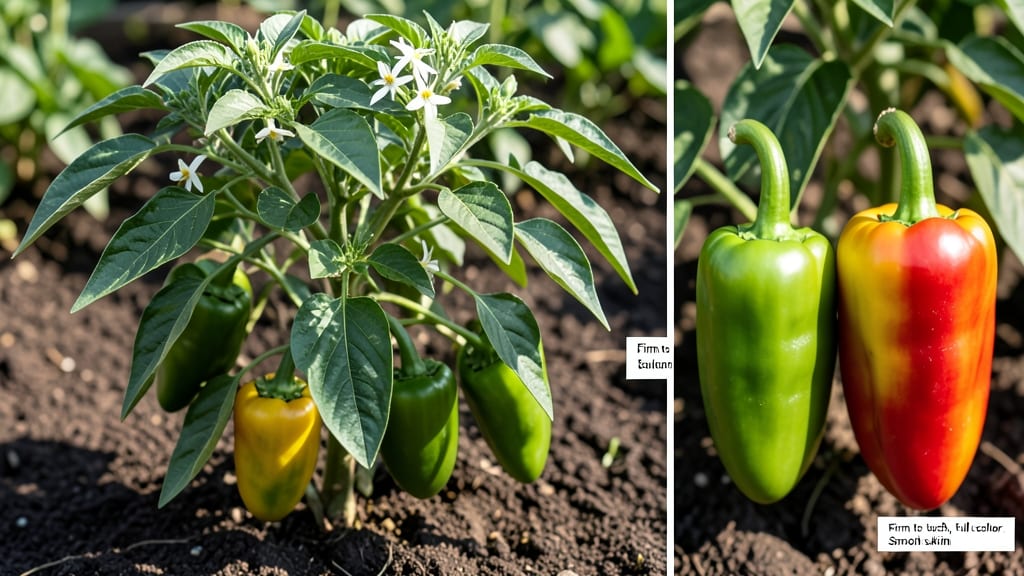
Knowing when a bell pepper 🌶️ is ready to pick can turn a good harvest into a great one—and missing the window means losing flavor, texture, and even nutritional value.
Picture this: you’ve nurtured your plants all season, and now the peppers are changing color. But how do you know if they’re truly ripe? One wrong move, and you could end up with mealy, bitter, or underdeveloped fruit instead of the crisp, sweet peppers you’re dreaming of.
In this guide, I’ll walk you through the color-coded ripeness chart for bell peppers, the physical cues that scream "pick me now," and how to avoid common mistakes that lead to early or late harvesting.
By the end, you’ll confidently spot the perfect moment to harvest, store your peppers for maximum freshness, and enjoy the peak flavor your garden has to offer.


Bell pepper ripeness stages by color: what each hue means for flavor and harvest time
Bell peppers change color as they ripen, and each hue signals different flavor profiles and harvest windows. Understanding these color stages helps you pick peppers at their peak—whether you prefer crisp green or sweet red varieties.
The ripening process involves chlorophyll breakdown and sugar accumulation, transforming their taste from tart to rich and sweet.
Green bell peppers are technically unripe—they’re harvested early for a crisp, slightly tart flavor similar to green tomatoes. Their chlorophyll content remains high, giving them that signature green color.
Most commercial green peppers are picked at this stage, but they’ll continue ripening off the plant if left on the vine.
Yellow and orange bell peppers mark the transition phase where chlorophyll fades and carotenoids take over. These peppers develop a milder, sweeter taste than green but aren’t as intensely sweet as red.
Yellow varieties like 'Lemon Bell' or 'Golden California Wonder' are often harvested at this stage for a unique flavor profile.
Red bell peppers are the fully mature stage, packed with 3x more vitamin C and a deep, sweet flavor. Their anthocyanins (pigments) develop fully, giving them that vibrant red hue. For the best taste, wait until they’re uniformly red—this can take 80-90 days from transplanting, depending on your climate.
Purple bell peppers are a rare but stunning variety that ripens to a deep purple before turning red. When fully purple, they have a slightly sweeter taste than green but less intense than red. Some gardeners prefer harvesting them at this stage for their unique color and mild flavor.
| Color Stage | Flavor Profile | Best For | Harvest Time |
|---|---|---|---|
| Green | Crisp, tart, slightly bitter | Pickling, stir-fries, raw snacks | 60-70 days after transplant |
| Yellow | Mild, slightly sweet | Salads, roasting, grilling | 70-80 days after transplant |
| Orange | Sweet, carrot-like | Stuffing, sautéing, fresh eating | 75-85 days after transplant |
| Red | Deep, sweet, rich | All uses, highest nutrient content | 80-90 days after transplant |
| Purple | Mild, slightly sweet | Gourmet dishes, decorative uses | 75-85 days (purple stage) |
The sweetness of bell peppers increases as they ripen due to sugar accumulation. Red peppers can have up to 10x more sugar than green ones, making them ideal for fresh eating or dishes where sweetness is key.
However, if your growing season is short, you can still enjoy partially ripe peppers—just expect a less sweet flavor.
Temperature plays a critical role in ripening. Bell peppers need warmth (70-85°F) to develop their full color and sweetness. In cooler climates, peppers may stay green longer or ripen more slowly.
If frost threatens before peppers mature, harvest them green—they’ll continue ripening indoors if placed in a bright, warm spot.
For container gardeners, choose compact varieties like 'Jalapeño M' or 'Shishito' that ripen faster. These peppers often mature in 60-70 days, making them ideal for short seasons. Even in containers, monitor color changes closely—peppers left too long on the plant may become overripe and mealy.
Overripe bell peppers develop a
5 Physical signs your bell pepper is ready to pick (beyond just color)
Bell peppers may seem ripe when they turn their signature colors, but true ripeness goes deeper than just hue. I’ve learned that tactile cues like firmness, stem separation, and size reveal when peppers are at their peak—before they become mealy or bitter.
These physical signs help you harvest at the perfect moment, whether you’re growing green, red, or purple varieties.
Color changes are just the beginning. For example, a red bell pepper might look vibrant, but if its skin feels soggy or the stem won’t snap, it’s past its prime. Overripe peppers lose their crisp texture and develop a waxy or hollow interior.
Let’s explore the 5 key indicators that prove your pepper is ready to pick—so you can enjoy that sweet, crunchy flavor you’ve been waiting for.
One mistake I made early on was picking peppers based only on color. A red bell pepper might look perfect, but if its skin feels leathery or the inside has white seeds, it’s overripe.
Similarly, a green pepper that’s large and firm can be just as flavorful as a colored one—especially if you prefer a tangy, less sweet taste. Always combine these physical cues for the best results.
Pro tip: Harvest in the morning when peppers are cool and crisp. Use a sharp pair of pruning shears or your fingers to twist the stem—this reduces damage to the plant.
Store peppers in a paper bag in the fridge for up to 2 weeks to preserve their texture and flavor. If you miss the perfect window, don’t worry; even slightly underripe peppers can ripen off the vine with a little patience and warmth.
Now that you know these 5 key signs, you’ll never second-guess when to pick your bell peppers again. The next time you’re in your garden, run your fingers over the peppers, give the stems a twist, and trust your touch—it’s the secret to a perfect harvest. 🌶️