
How To
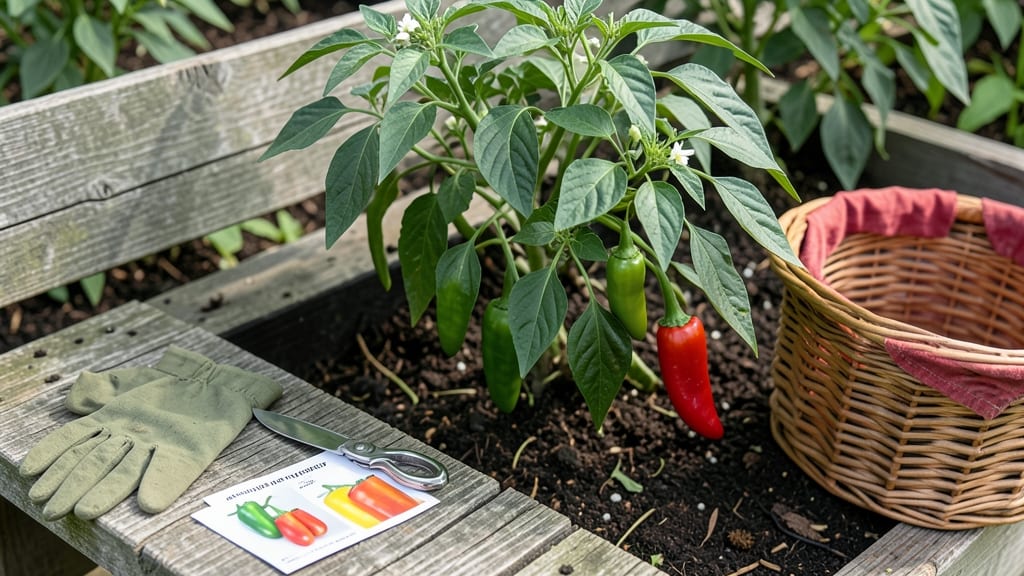
Knowing how to know when a jalapeño is ready to pick makes all the difference between a fiery, flavorful harvest and a disappointing bite.
Those vibrant peppers don't just ripen overnight—they develop complex flavors and heat levels that change as they mature, and missing the window means missing out on peak quality.
Most gardeners assume jalapeños are ready when they turn red, but the truth is far more nuanced. The right time to harvest depends on color, size, and even how they feel to the touch.
I'll walk you through the exact visual and tactile cues to look for, so you never pick too early (or too late) again.
Whether you're growing in USDA Zone 6a or another region, understanding these signals helps you time your harvest perfectly between July and September. We'll also cover common mistakes that lead to underripe or overripe peppers, so you can avoid them like a pro.
Ready to transform your garden into a spice powerhouse? Let's dive into the simple checklist that'll have you harvesting jalapeños at their absolute best—every single time.


Jalapeño ripeness check: color, size, and firmness guide
Jalapeños are ready to pick when they reach the perfect balance of size, color, and firmness. Unlike some peppers that change dramatically as they ripen, jalapeños offer subtle but important clues.
I’ve learned that ignoring these signs can mean sacrificing flavor or letting peppers become overripe. Let’s break down what to look for to ensure you harvest at peak ripeness.
First, focus on the size of your jalapeños. Ideal jalapeños for picking measure between 3 to 5 inches in length. Smaller peppers (under 2 inches) are typically immature and lack the full heat and flavor potential.
I’ve made the mistake of picking early jalapeños only to find they lacked the bold spice I craved. Patience pays off—wait until they reach that sweet spot for the best results.
Next, examine the color. Mature jalapeños start as a vibrant deep green, almost glossy. If left on the plant longer, they’ll transition to a red or yellow hue, which indicates a sweeter, less spicy profile.
For maximum heat, harvest them when they’re fully green. I always check for even coloring—uneven shades can signal stress or uneven ripening.
Finally, test the firmness by gently pressing the pepper. A ripe jalapeño should feel firm but not rock-hard. If it gives slightly under pressure, it’s likely overripe. On the flip side, if it feels soft or wrinkled, it’s past its prime.
The skin should also snap back when touched, not dent easily. This tactile check is my go-to method for confirming ripeness.
🌱 Jalapeño Ripeness Summary
| Check | Ready Signs | Not Ready Signs |
|---|---|---|
| Size | 3-5 inches long | Under 2 inches |
| Color | Deep green (or red/yellow if left longer) | Pale or uneven |
| Firmness | Firm, glossy skin | Soft or wrinkled |
| Stem | Snaps easily when twisted | Hard to twist off |
Another trick I use is the stem test. Gently twist a jalapeño at its stem—if it snaps off cleanly, it’s ready. If the stem resists or tears, wait a few days.
This method saves me from picking peppers that aren’t quite there yet. It’s a quick way to confirm ripeness without damaging the plant.
Environmental factors like sunlight and temperature also play a role. Jalapeños need at least 6 hours of direct sun daily to ripen properly. In hotter climates, they may ripen faster, while cooler weather can slow the process.
I’ve noticed that peppers grown in full sun develop a richer flavor and firmer texture compared to those in partial shade.
Don’t overlook the glossy finish on the pepper’s skin. A healthy, ripe jalapeño should have a slight sheen, indicating good hydration and maturity. Dull or matte peppers might be underripe or stressed.
I always give my plants a deep watering a day before checking for ripeness to ensure the peppers look their best.
One common mistake I’ve seen (and made myself) is waiting too long for peppers to turn red. While red jalapeños are sweeter, green ones pack more heat. If you’re growing for spice, harvest them when fully green.
For a milder flavor, let them ripen to red. This color-stage flexibility is one of the jalapeño’s best features!
Finally, keep an eye on the harvest window. Jalapeños typically take 75 to 90 days to mature from seed. If you’re starting from transplants, you might see peppers ready to pick as early as 60 days.
I always mark my planting date and set reminders to check for ripeness during the expected harvest months (July to September in most climates).
By mastering these color, size, and firmness checks, you’ll never second-guess when to pick your jalapeños again. The key is consistency—check your plants regularly and trust your senses. Happy harvesting! 🌶️
Jalapeño ripeness check: color, size, and firmness guide
Jalapeños are ready for harvest when they hit the perfect balance of size, color, and firmness. Unlike many peppers, they don’t need to turn red for peak flavor—green jalapeños are often the sweetest and most versatile.
However, leaving them on the plant longer can intensify their heat levels and deepen their color to red or purple.
Start by checking the length of your jalapeños. Ideal harvest size ranges from 3 to 5 inches, though some varieties may grow slightly larger. Smaller peppers (under 2 inches) are usually too immature, while overly large ones may have tougher skins and less vibrant flavor.
Next, examine the color. Mature green jalapeños should be a deep, glossy green with no pale or yellowing patches. If you prefer a spicier pepper, wait until they turn red or purple, which signals higher capsaicin content.
However, red jalapeños tend to be slightly sweeter with a sharper kick.
Now for the firmness test: Gently press the pepper with your thumb. It should feel firm but not rock-hard. If it gives slightly or feels mushy, it’s overripe. A ripe jalapeño will also have a slightly waxy or shiny skin, indicating proper hydration and maturity.
| Ripeness Cue | Ready Jalapeno | Not Ready Jalapeno |
|---|---|---|
| Size | 3-5 inches long | Under 2 inches |
| Color | Deep green, glossy (or red/purple) | Pale, uneven, or yellowing |
| Firmness | Firm, slight give when pressed | Soft, wrinkled, or mushy |
| Stem | Snaps easily when twisted | Tough or resistant |
Don’t forget the stem test: Twist the pepper gently at its base. If the stem snaps cleanly without much resistance, it’s ready to pick. A stubborn stem usually means the pepper needs more time. For continuous harvests, pick jalapeños every 2-3 days during peak season to encourage more production.
Pro tip: Harvest in the morning when peppers are cool and hydrated. This ensures they’re at their freshest and firmest. Store them in a paper bag in the fridge to slow ripening if you’re not using them immediately.
If you miss the window and your jalapeños turn soft or wrinkled, they’ve overripe—but don’t toss them! Overripe jalapeños can still be used for sauces or fermented dishes like pickles, though their texture may be less ideal for fresh eating.