
Planting
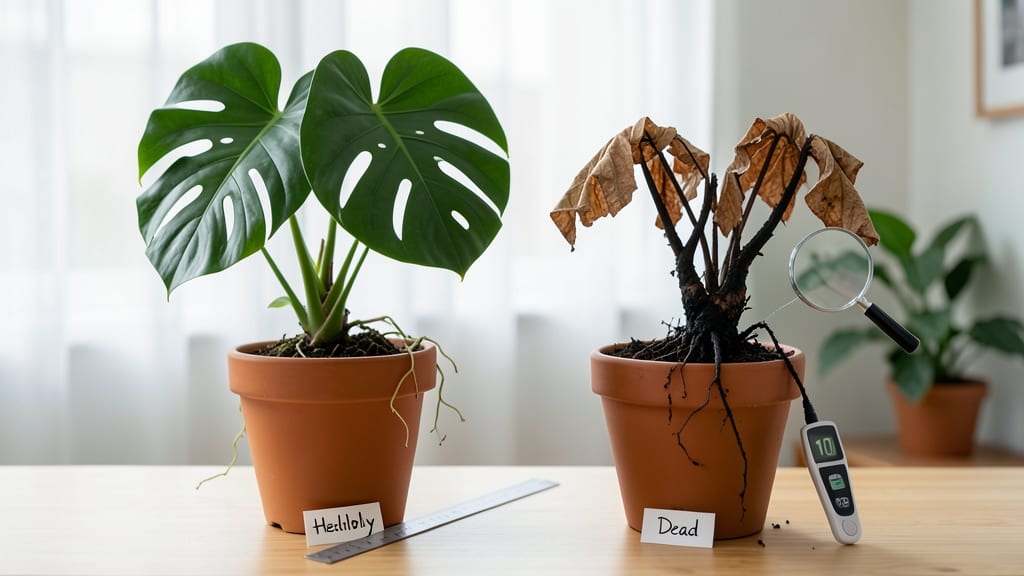
How to know when a plant is dead—that sad, wilted plant might already be gone. Here’s how to tell for sure. 🌱 I’ve pulled more "dead" plants than I’d like to admit, only to find stubborn life hiding in the roots. But some plants truly are beyond saving, and knowing the difference saves time (and money on replacements). Start with the stems: if they’re hollow, brittle, or snap like dry kindling, that’s a red flag. Check for any green—even a tiny bit means it’s still clinging to life. Pull gently on the plant—if it comes out easily with no resistance, the roots are likely dead too. And don’t forget to look for mold or rot at the base, which means decay, not dormancy. The leaves tell the story too: if they’re completely brown, crispy, or fallen off (not just wilted), the plant’s given up. But here’s the trick: some plants shed leaves naturally in winter—so compare it to a healthy version of the same plant. If yours looks like a skeleton, it’s time to say goodbye. Once you confirm it’s dead, don’t toss it! Repurpose the soil, compost the remains, or use the pot for something new. And if you’re still unsure, dig up the roots—healthy roots should be firm and white, not mushy or black. Now you’ve got the truth, and no more guessing.
📚 In This Guide
- What you need
- Instructions
- Tips and common mistakes
- Wrapping up and next steps
What you need
- ○ Healthy reference plant (optional but helpful—compare your plant to a thriving one of the same type).
- ● Gloves (gardening or latex) – Protects your hands from dirt, sap, or thorns.
- ● Small hand trowel or spoon – For gently lifting roots or soil if needed.
- ○ Magnifying glass (optional but useful) – Helps inspect tiny details like root structure or pest damage.
- ● Water source (spray bottle or small watering can) – For quick moisture tests.
- ● Notebook or phone – To jot down observations over time.
- ● Sharp scissors or pruning shears – For cutting stems/leaves if you need to test for rot or pests.
- ● pH testing kit – Checks if soil pH might be contributing to poor health.
- ● Digital scale – Weighs plants to track drastic weight loss (a sign of dehydration or disease).
- ● Camera – Documents progress for comparison later.
- ● Plant identification guide or app – Confirms species-specific signs of distress.
How to diagnose plant death: 5 clear signs to look for
Don't toss that struggling plant yet—here's how to tell for sure if it's beyond saving.
🌿 Step 1: Check for Stem Flexibility
Gently bend a stem between your fingers. A healthy plant's stems should bend slightly but spring back. If the stem snaps cleanly or stays bent, that's your first sign of death. I've seen many plants appear lifeless only to bounce back when their stems still had some flexibility.
Run your thumb along the stem's length. Healthy stems feel firm and slightly springy. If the stem feels mushy or collapses under pressure, the plant's vascular system has already failed. This is especially true for woody plants like shrubs or trees—if the bark peels away easily, it's a definitive sign.
💧 Step 2: Examine the Leaves for Irreversible Damage
Look for leaves that have turned completely brown or black and feel crispy to the touch. These aren't just dry—they're dead. Healthy leaves should be pliable, even if they're wilted. Flip the leaf over and check the underside for any green color; even a faint hint means the plant might still recover.
Watch for leaves that have fallen off and left behind bare stems. If more than half the leaves are gone and new growth hasn't appeared in 2-4 weeks, the plant is likely dead. Some plants naturally drop leaves in dormancy, but if the stems are also shriveled, it's not just seasonal shedding.
☀️ Step 3: Test Root Condition
Gently dig up the plant and examine the roots. Healthy roots should be white or light tan and firm to the touch. If the roots smell foul or feel slimy, that's a clear sign of rot. Even if the top looks alive, rotting roots will kill the plant eventually.
Pull on the roots carefully. If they come away from the soil with almost no resistance, the plant has lost its anchor. You should see a network of roots clinging together—if they're falling apart like wet paper, the plant is dead. This is especially critical for container plants where root health is visible.
⏰ Step 4: Look for New Growth
Scan the entire plant for any signs of new growth, even small buds or tiny leaves. If you've waited 4-6 weeks in warm weather or 6-8 weeks in cooler seasons and see nothing, the plant is likely dead. Some plants take longer to show signs, but if there's no response to water or light changes, it's a bad sign.
Check the growing tips of branches. If these areas are brown, brittle, and show no swelling or softening, the plant has stopped growing entirely. Even if other parts look healthy, the absence of new growth means the plant can't recover. This is particularly telling for perennial plants that should be putting out fresh shoots each season.
✂️ Step 5: Perform the Water Test
Pour a small amount of water onto the soil and wait 10-15 minutes. If the soil remains dry and the water doesn't soak in, the roots can't absorb moisture. This is a definitive sign the plant is dead. Even if the top looks alive, without functioning roots, the plant can't survive.
If you notice water beading up on the leaves instead of soaking into the soil, the plant's cells have lost their ability to absorb water. This glass-like appearance on leaves is called plasmolysis, and it's a clear indication the plant is beyond saving. This often happens after prolonged drought or freezing temperatures.
Tips & tricks for diagnosing plant death with confidence
Real talk: Even seasoned gardeners sometimes misdiagnose plant health. Here's how to avoid the most common mistakes when checking for life signs.
Stem Test Nuance: In Step 1, focus on the youngest stems—older growth can be misleading. For woody plants, gently scrape a small section of bark. If it's green underneath, the plant's still alive. I've seen many "dead" shrubs revive when I checked this detail. Also, test stems in the morning when they're most hydrated.
Leaf Inspection Pro Tip: When examining leaves in Step 2, look for the "vein test." Healthy leaves should have green veins even if the leaf itself is yellowing. This means the plant can still recover. For tropical plants, check the undersides of leaves first—they often show early signs of stress before the tops do.
Root Examination Safety: In Step 3, be gentle when digging up roots—you don't want to damage what might still be salvageable. For container plants, tip the pot sideways and let the plant slide out rather than pulling. I've saved many plants this way that would have been discarded after rough handling. Always wash your hands after handling potentially rotting roots.
Growth Timeline Reminder: The 4-6 week waiting period in Step 4 is crucial but varies by plant type. Succulents and cacti may take longer to show signs, while tropical plants often respond within 2-3 weeks. Keep a small notebook to track when you first noticed issues—this helps determine if the plant's truly dead or just slow.
Pro Tips for Know When A Plant Is Dead
- Real talk: Even seasoned gardeners sometimes misdiagnose plant health.
- Stem Test Nuance: In Step 1, focus on the youngest stems—older growth can be misleading.
- Leaf Inspection Pro Tip: When examining leaves in Step 2, look for the "vein test."
Frequently asked questions
Got questions about plant death? You’re not alone!
Here are some of the most common concerns—plus clear, actionable answers to help you troubleshoot or say goodbye with confidence.
Can a plant come back to life after looking completely dead?
Sometimes! If your plant is dormant (like succulents in winter) or just severely wilted, it might revive with proper care—water, light, and patience. But if the stems are mushy, roots are black, or there’s no sign of life after a week, it’s likely gone for good. Pro tip: Check the roots before giving up!
How long can a plant stay dead before it’s safe to remove?
There’s no strict timeline, but if a plant has been visibly dead (no leaves, no growth, foul odor) for 2–4 weeks, it’s safe to remove it. Dead plants can attract pests or rot, so don’t wait too long—especially if it’s in a pot with other healthy plants.
What’s the difference between a dying plant and a dead one?
A dying plant may have yellowing leaves, drooping stems, or slow growth but still shows signs of life (like new buds or green undersides). A dead plant has no green, no response to touch, and often a hollow or mushy stem. Test it: Gently tug a leaf—if it snaps easily, it’s dead.
Can I compost a dead plant?
Yes! Most dead plants (without pests or disease) make great compost. Exceptions: Avoid composting plants with powdery mildew, black spot, or fungal infections—these can spread. Chop larger stems first to speed up decomposition. Bonus: Add nitrogen-rich materials (like coffee grounds) to balance the carbon-heavy plant matter.
Why does my plant look dead but still has green leaves?
Green leaves alone don’t mean a plant is alive—check for new growth or flexibility. If leaves are crispy, brown, or falling off when touched, the plant is likely dead. Red flag: If the stems are woody and hollow inside, it’s a sure sign of death. Sometimes, a few stubborn leaves cling on even after the plant has passed.
Wrapping up and next steps
Don’t let a sad plant dim your gardening spirit—knowing the 5 unmistakable signs of a dead plant is your first step to a thriving green space! 🌱 Whether it’s wilted stems, discolored leaves, or a foul odor, trust your observations and act with confidence.
Even if a plant is beyond saving, every gardener learns from experience—and that’s how you grow!
Ready to revive your garden? Start fresh by repotting healthy plants, adjusting care routines, or even trying your hand at propagation. Every new attempt brings you closer to a lush, vibrant space. Happy gardening! 🌿