
How To
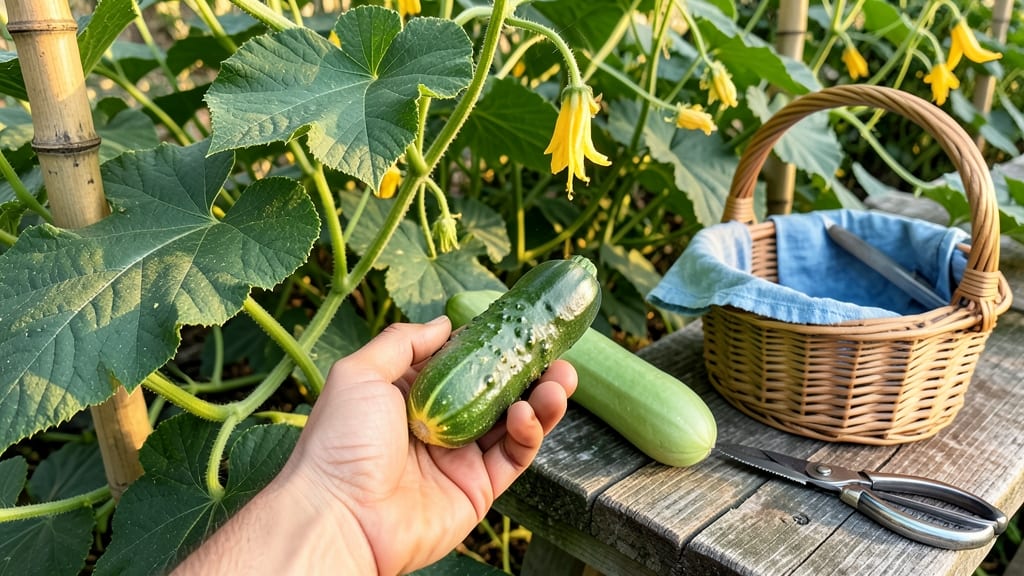
Knowing how to know when a cucumber is ready to pick can make the difference between a garden full of crisp, delicious 🥒 and bitter, overripe disappointments. The right timing isn't just about size—it's about color, texture, and even how the plant behaves.
If you've ever wondered why some cucumbers turn out mealy or seedy, the answer lies in these subtle but crucial cues.
Most gardeners focus on length, but the true signs of readiness go deeper. From the way the stem looks to how easily the fruit detaches, these visual and tactile clues will help you harvest at peak flavor.
Whether you're growing slicing varieties or pickling types, understanding these indicators ensures you never miss the sweet spot.
Let me show you exactly what to look for—no guesswork involved. You'll learn how to check for firmness, color consistency, and vine signals that scream "pick me now!" By mastering these techniques, you'll enjoy a steady supply of homegrown cucumbers all season long.
The best part? These methods work for any cucumber variety, from bush types to sprawling vines. Once you know what to watch for, harvesting becomes second nature—and your dinner table will thank you for it.
5 Key signs your cucumbers are ready to harvest (beyond just size)
Cucumbers don’t follow a one-size-fits-all rule for harvest time—what matters most is multiple visual and tactile cues that reveal peak ripeness. While size is a starting point, ignoring stem color, fruit texture, and vine behavior can lead to missed harvests or bitter disappointments.
I’ve learned the hard way that a cucumber’s readiness isn’t just about length; it’s about the entire plant’s signals working together.
One of the first things I check is the stem end color. A bright yellow or brownish hue at the blossom end (where the flower was) is a clear sign the cucumber is ready to pick.
This discoloration happens as the fruit matures and starts pulling nutrients from the vine. If you’re still seeing bright green stems, hold off—your cucumber needs more time to ripen on the vine.
Here’s the visual element you requested—5 key indicators that go beyond just measuring with a ruler:
The blossom end turns from green to yellow/brown when ripe. This is your first visual cue!
Press lightly—if it feels firm like an unripe apple, wait. If it gives slightly (but isn’t mushy), it’s ready!
Most slicing cucumbers hit 6–8 inches, but pickling varieties (like Boston) should be 2–4 inches. Always check the variety’s guidelines!
Grasp the cucumber near the vine and twist. If it snaps off with minimal force, it’s ready. If it resists, it’s not there yet.
Healthy cucumber vines produce 1–2 flowers per day. If you see new blooms after picking, your plant is ready for more!
I also pay close attention to the fruit’s texture. A ripe cucumber should have a slightly waxy surface that feels cool to the touch. If it’s slimy or overly soft, it’s past its prime.
Pro tip: Morning is the best time to pick—cucumbers are crispest after a cool night and before the heat of the day sets in.
Don’t overlook the vine’s growth pattern either. If your cucumbers are overcrowded or the vine looks stressed (yellowing leaves, wilting), they’ll ripen unevenly. I’ve found that pruning side shoots and providing trellis support helps cucumbers mature more evenly and stay healthier longer.
One common mistake I see (even among experienced gardeners) is relying only on color. While most cucumbers turn a deep, uniform green when ripe, some varieties—like lemon cucumbers or Armenian types—stay pale yellow or striped.
Always cross-reference color with the other signs above to avoid missing the harvest window.
For pickling cucumbers, timing is even more critical. They should be smaller (2–4 inches) and harvested before they develop seeds. Waiting too long turns them bitter and seedy, ruining the crunch you crave in pickles.
I like to check pickling cucumbers every 2–3 days during peak season to stay ahead of the game.
Remember: Frequent harvesting encourages more production. The more you pick, the more your cucumber plants will reward you with fresh fruit. If you ignore the vine for too long, you’ll end up with oversized, bitter cucumbers that are tough to enjoy.
Now that you know these 5 key signs, you’re ready to harvest like a pro—no more guesswork!
Cucumber variety matters: ideal harvest times for slicing vs. pickling types
Not all cucumbers follow the same rules—slicing varieties like Armenian or lemon cucumbers mature differently than pickling types such as Boston or Persian. The harvest window and size benchmarks shift based on your variety, so knowing these distinctions saves you from picking too early (or too late!).
For example, heirloom slicers often reach peak flavor at 8-12 inches, while pickling cucumbers should be harvested at 2-4 inches for optimal crunch.
Color can also be deceiving—some green-skinned varieties (like Marketmore) stay green at harvest, while others (like greenhouse varieties) turn yellowish or white when ripe. Always pair visual cues with tactile tests like the thumbnail pressure method to confirm readiness.
Ignoring these variety-specific signals often leads to bitter, overripe cucumbers or underdeveloped pickles.
Here’s how to match your harvest timing to the cucumber type you’re growing:
Harvest at 8-12 inches when skin is deep green and firm but yields slightly to pressure. Wait for yellowing stem ends for heirloom types.
Pick at 2-4 inches when skin is glossy and bright green. Overripe pickling cucumbers turn yellowish and develop seeds.
Harvest at 6-8 inches when skin is thin and tender. These varieties don’t require pollination, so they ripen faster than traditional types.
Pro tip: If you’re growing a mixed variety garden, use color-coded tags or separate trellises to avoid confusion. For example, Armenian cucumbers (long and ribbed) can easily be mistaken for slicing types if left unmarked.
Labeling also helps track harvest cycles—some varieties produce continuously, while others fruit in one big flush.
For container growers, dwarf varieties like Bush Champion or Spacemaster are ideal because their compact size (1-3 feet) makes them easier to monitor. These types typically mature in 50-55 days, so check them daily once they start flowering.
Overlooking them for even 24 hours can turn a crisp cucumber into a woody, seedy mess.
Remember: Harvest frequency directly impacts yield. Slicing cucumbers left on the vine for too long reduce future production by diverting energy to seed development. Aim to pick every 2-3 days during peak season to keep your plants productive and flavorful. 🥒