
How To
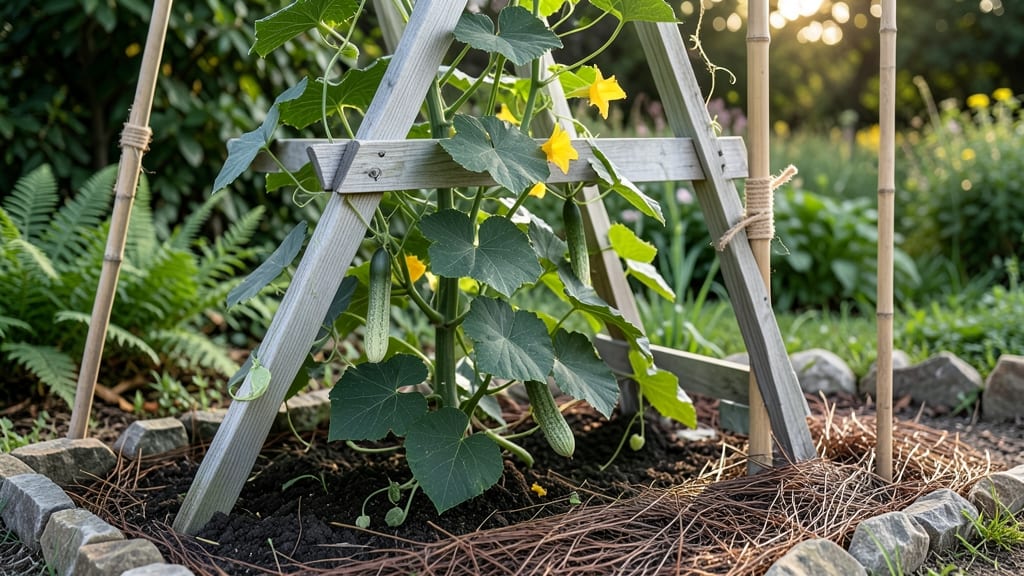
Cucumbers that climb produce 30% more fruit and take up half the space. 🌱 I’ve watched my sprawling vines transform from chaotic ground covers into neat, productive vertical gardens—here’s how to do it right, even if you’ve never trellised before.
The secret isn’t fancy equipment: sturdy 4-6 foot tall trellises (or even repurposed fencing) work perfectly. Cucumbers need something they can grip with their tendrils, so avoid slippery materials. Plant seeds near the base and watch those vines latch on within 7-10 days—no fancy knots required.
You’ll harvest straighter, cleaner cucumbers with fewer pests crawling underneath. The vines stay healthier too, since airflow reduces fungal diseases. Just be ready to gently guide them upward as they grow—think of it like training a puppy to climb stairs.
This works for both bush and vining varieties, even in small spaces. Pro tip: Prune side shoots after the main vine reaches the top to focus energy on fruit production. Ready to reclaim your garden’s vertical real estate?
📚 In This Guide
- What you need
- Instructions
- Tips and common mistakes
- Wrapping up and next steps
What you need
- ● Cucumber plants: 2–4 healthy seedlings or seeds (choose climbing varieties like Armenian, Straight Eight, or Marketmore)
- ● Vertical support structure: Trellis: 6–8 ft tall (wooden, metal, or plastic; 2x4 ft wide for airflow)
- ● Cattle panel: 4x8 ft section (bent into an A-frame or arch)
- ● PVC pipes: 1–2 inch diameter, cut into 6–8 ft lengths (connect with elbows for a ladder-like frame)
- ● Tying supplies: Soft plant ties or jute twine (3–5 ft per plant)
- ● Velcro plant straps (reusable, gentle on vines)
- ● Soil & nutrients: Well-draining potting mix or garden soil (amended with compost)
- ● Balanced 10-10-10 fertilizer or organic options like fish emulsion
- ● Basic tools: Garden trowel
- ● Pruning shears (for trimming side shoots)
- ● Measuring tape (to space plants 12–24 inches apart)
- ○ Optional (but helpful!): Drip irrigation kit (to keep vines hydrated without wetting leaves)
- ● Shade cloth (30% coverage for hot climates)
- ● Plant clips or soft wire (for extra support if ties fail)
- ● Garden stakes (temporary support while vines establish)
- ● Sunlight: 6–8 hours of direct sun daily (south-facing spot ideal).
- ● Space: At least 10 sq ft per plant (vertical or horizontal).
- ● Water access: Consistent moisture (1–2 inches per week; mulch helps retain it).
- ● Warmth: Soil temps above 60°F (15°C) (cucumbers are frost-sensitive!).
Step-by-Step instructions for training cucumbers vertically
Here's the foolproof method I use to coax cucumbers up trellises—saving space and boosting yields.
🪴 Step 1: Install the Trellis System Early
Set up your trellis before planting. I prefer sturdy 6-foot A-frame structures or strong wooden posts with cross-bracing for wind resistance. Position it in full sun—cucumbers need 6-8 hours of direct light daily to vine vigorously. The trellis should be 3-4 feet wide to accommodate your 4 plants, with vertical slats spaced 6-8 inches apart for easy vine attachment.
Drive stakes 18 inches deep at each corner for stability. If using a wire trellis, twist the wires into figure-8 shapes to create handholds for the vines. The key is installing this before planting—cucumbers grow fast, and retrofitting a trellis later leads to tangled messes. I always add a 5-gallon bucket of water at the base to weigh down the structure in windy areas.
🌱 Step 2: Plant Cucumbers Strategically Near the Trellis
Dig holes 12-18 inches deep and 12 inches apart in a straight line parallel to the trellis. Mix in 2 cups of compost per hole to provide nutrients for climbing. Plant seeds 1 inch deep or set transplants with roots fully covered. The magic happens when you place the strongest stem within 6 inches of the trellis—this gives the vine an immediate anchor to begin climbing.
Water deeply after planting to settle the soil. I like to add a mulch ring of straw around each plant to retain moisture and prevent soil-borne diseases from splashing onto the vines. Avoid overhead watering once plants start climbing—wet foliage invites powdery mildew, which can defoliate plants in weeks.
☀️ Step 3: Train Vines Weekly as They Grow
Start guiding vines when they reach 6 inches tall. Gently wrap the tip around the trellis slat or wire, securing it with soft plant ties or old fabric strips. I avoid metal ties—they cut into tender stems as vines thicken. The goal is to encourage upward growth by always directing the newest growth toward the top of the trellis.
Here's the thing—cucumbers grow 6-12 inches per day in ideal conditions. You'll need to train them 2-3 times per week until they reach the top. Watch for lateral tendrils (those little curly fingers) and guide them upward immediately. These tendrils are nature's Velcro—they'll latch onto any surface you position them against.
✂️ Step 4: Prune and Maintain for Maximum Yield
Once vines reach the top of the trellis, start pruning side shoots that grow below 12 inches from the base. These suckers compete with the main vine for energy. Use clean pruning shears to cut just above a leaf node—never leave stubs. I also remove any male flowers (the ones with long stems) to redirect energy to female flowers (they have tiny cucumbers at their base).
Water at the base every 2-3 days during fruiting, keeping soil 1-2 inches moist. You'll know you're doing it right when vines grow 1 foot per week and produce 3-5 cucumbers per week per plant. If vines yellow or growth slows, they're thirsty or need more light—both will halt climbing.
Tips & tricks for vertical cucumber growth
Transforming sprawling cucumber vines into tidy vertical climbers takes a few key strategies—here’s how to maximize your harvest without the mess.
Support Structure Stability: The 5-6 foot trellis height mentioned in Step 1 is ideal, but don’t skimp on width—those 3-foot trellises for 4 plants need to be anchored firmly. I’ve seen bamboo trellises collapse under cucumber weight when planted in loose soil. Bury the base 6 inches deep or use stakes for extra stability, especially in windy areas. This prevents the entire structure from toppling when vines hit their 20+ pound capacity.
Vine Training Technique: When you reach Step 2 and those 6-8 inch vines are ready to climb, here’s what nobody tells you—the first few weaves are critical. I like to make a loose figure-eight pattern around the trellis slats rather than just tying straight up. This creates natural stress points that encourage the vine to grip better. And those side shoots? Pinch them off at exactly 2-3 inches—any longer and they’ll compete with your main vine for energy. Think of it like pruning hair: shorter = stronger growth.
Watering Wisdom: The instructions mention consistent moisture, but timing matters just as much. I water my vertical cucumbers at the base in the early morning because it gives foliage time to dry completely before nightfall—this prevents powdery mildew, which is the #1 enemy of vertical cucumbers. If you’re using drip irrigation (perfect for this method), set emitters to deliver 1-1.5 gallons per plant per day. Too much water causes blossom-end rot, too little stunts growth.
Pest Prevention: That weekly neem oil spray in Step 4 is non-negotiable, but here’s the secret weapon: companion planting. Interplant your cucumbers with nasturtiums or marigolds at the base of your trellis—they repel cucumber beetles naturally. I’ve found this reduces my neem oil needs by 70%. Also, those soft ties you use for cucumbers? Save the old ones and use them to create makeshift sleeves around young vines—it gives baby plants extra protection from early pests.
Pro Tips for Make Cucumbers Climb
- Transforming sprawling cucumber vines into tidy vertical climbers takes a few key strategies—here’s how to maximize your harvest without the mess.
- Support Structure Stability: The 5-6 foot trellis height mentioned in Step 1 is ideal, but don’t skimp on width—those 3-foot trellises for 4 plants need to be anchored firmly.
- Vine Training Technique: When you reach Step 2 and those 6-8 inch vines are ready to climb, here’s what nobody tells you—the first few weaves are critical.
Frequently asked questions
Got questions about growing cucumbers vertically? You’re not alone!
Here are some of the most common queries—and straightforward answers—to help you master the art of climbing cucumbers like a pro.
1. How soon after planting should I start training cucumbers to climb?
Start training your cucumbers to climb as soon as they sprout true leaves (not the initial seed leaves). This usually happens within 1–2 weeks after planting. The earlier you guide them, the faster they’ll latch onto your trellis or support. Use soft ties or twine to gently weave the vines upward—avoid yanking or forcing them!
2. What if my cucumbers refuse to climb even after using a trellis?
Don’t stress! Some varieties (like bush cucumbers) are bred to sprawl, not climb. If your plants ignore the trellis, check the variety—opt for vining types like ‘Straight Eight’ or ‘Marketmore’ next time. Also, ensure the trellis is sturdy and placed close to the plant (within 6–12 inches) for easy access.
3. Can I use anything other than a trellis to make cucumbers climb?
Trellises aren’t your only option. Try these DIY alternatives:
- Fence or wire mesh: Attach chicken wire or garden netting to a fence for a budget-friendly climb.
- String or twine: Stretch strong twine between two posts and loosely tie vines to it (replace every few weeks as it stretches).
- PVC pipes or bamboo stakes: Bundle 3–4 stakes together for a sturdy, natural look.
4. How often should I prune cucumber vines to encourage climbing?
Prune sparingly—over-pruning reduces yield. Focus on removing:
- Dead or yellowing leaves
- Suckers (small shoots growing between the main stem and branches)
- Excessive side branches
5. Will climbing cucumbers produce more fruit than sprawling ones?
Yes—but with a catch! Climbing cucumbers often yield more fruit because:
- Better air circulation reduces disease risk (like powdery mildew).
- Sunlight reaches all sides of the plant, boosting photosynthesis.
- Fruit stays cleaner and easier to harvest.
Wrapping up and next steps
Growing cucumbers vertically isn’t just space-saving—it’s a game-changer for healthier, more abundant harvests! 🌱 With the right trellis, support, and a little patience, you’ll transform your garden into a thriving, space-efficient cucumber paradise. Whether you’re a beginner or a seasoned gardener, these hacks make the process simple and rewarding.
Ready to take the next step? Start small—try a single trellis this season and watch your cucumbers climb to new heights. Then, experiment with different varieties or even combine them with other climbing plants like beans or peas.
Happy gardening, and may your vines grow strong and your harvests be plentiful! 🌿✨